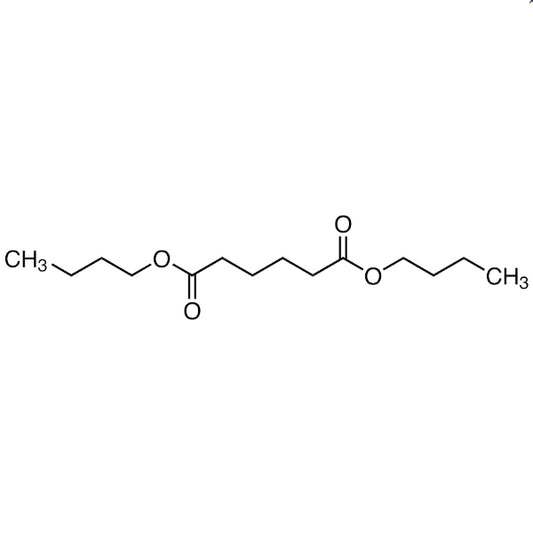
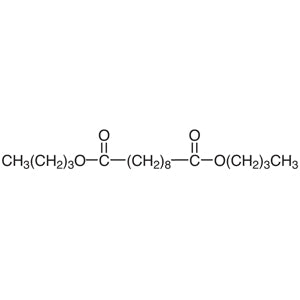
Dibutyl fumarate is a chemical compound widely used in scientific and industrial applications, particularly in the field of materials and polymers. As a key component in polymer synthesis, it serves as a versatile additive that enables effective polymerization reactions. Its chemical structure allows it to participate in various chemical processes, making it an essential material for the development of polymers with tailored properties. In laboratory settings, it is commonly used as a monomer or an active ingredient in chemical reactions that produce materials with desirable mechanical characteristics.
This compound is valued for its chemical stability and high reactivity, which make it an ideal choice for a wide range of chemical experiments. Its ability to react with different substances enables the creation of polymers with varying properties, such as strength, flexibility, and weather resistance. These characteristics make it particularly useful in applications requiring material modification. Its reactivity and versatility make it a preferred choice among researchers and industrial chemists.
In Indonesian laboratories, dibutyl fumarate is extensively used in research and development of new materials, especially in polymer technology and industrial chemistry. Many research institutions and universities incorporate this compound into experiments related to polymer synthesis and material modification. Its role in advancing material science is well recognized, contributing to both academic and industrial innovation.
- Polymer synthesis and modification in material science research, as it enables the creation of polymers with specific mechanical and chemical properties.
- Development of industrial coatings and adhesives, due to its ability to form cross-linked structures that enhance durability and performance.
- Chemical reaction experiments requiring a reactive monomer that can participate in various polymerization mechanisms.
- Research on biodegradable and sustainable materials, as it can be used to create environmentally friendly polymer systems.
- Testing of new polymer formulations in the field of biomedical engineering, where controlled reactivity and structural properties are essential.
| Brand | TCI |
|---|---|
| CAS number | 105-75-9 |
| Molecular formula | — |
| Purity | — |
| Category | Materials Science > Polymer/Macromolecule Reagents > Polymer Additives |
| Pack sizes | Available in various quantities as per standard laboratory supply |
| Physical form | Liquid |
| Storage | Store in a cool, dry place away from direct sunlight and incompatible materials |
Dibutyl fumarate should be stored in a cool, dry environment to maintain its chemical stability and prevent degradation. It is recommended to keep it in a sealed container to minimize exposure to air and moisture. The compound should be stored away from incompatible substances such as strong oxidizers and bases to avoid unwanted reactions. In laboratory settings, it is important to handle the material with appropriate personal protective equipment, including gloves and safety goggles. Proper ventilation should be ensured when working with this compound to reduce the risk of inhalation. Due to its reactivity, it should be handled in a well-ventilated area and stored in a location that is inaccessible to children and unauthorized personnel.
—
Produk Terkait
-
Bis(2-ethylhexyl)Fumarate TCI F0117
Regular price From Rp 505.050,00Regular price -
DibutylAdipate TCI A0655
Regular price From Rp 557.550,00Regular price -
DibutylSuccinate TCI S0102
Regular price Rp 1.035.300,00Regular price -
DibutylSebacate TCI S0023
Regular price From Rp 477.750,00Regular price -
DibutylPhthalate TCI P0292
Regular price From Rp 477.750,00Regular price -
DibutylMaleate TCI M0009
Regular price From Rp 477.750,00Regular price -
TiamulinFumarate TCI T4295
Regular price Rp 1.220.100,00Regular price -
TenofovirDisoproxilFumarate TCI T4062
Regular price Rp 3.976.350,00Regular price