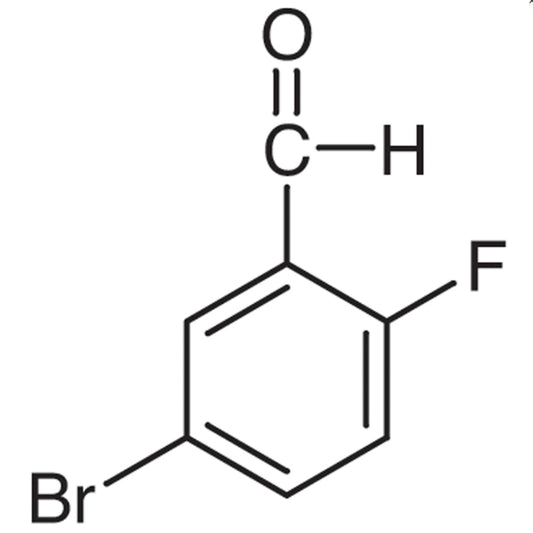
2-Fluorobenzaldehyde is an organic compound widely utilized in chemical synthesis, particularly in the development of aromatic and heterocyclic compounds. As a fluorinated building block, it serves as a fundamental component in the creation of complex molecules. Its structure is based on benzaldehyde with a fluorine atom substituted at the second carbon position, which imparts unique reactivity and functional group compatibility. This compound plays a crucial role in laboratories where synthetic chemistry is a core activity, offering versatility in a range of chemical transformations. Its presence in Indonesian research institutions highlights its importance in advancing chemical innovation and pharmaceutical development.
The compound’s fluorine substitution significantly enhances its polarity compared to standard benzaldehyde, influencing its reactivity and interaction with various functional groups. This increased polarity makes it ideal for substitution, reduction, and electrophilic reactions. The unique reactivity profile allows chemists to achieve precise control over synthetic pathways, making it a preferred choice for advanced organic synthesis. Its ability to participate in multiple reaction types ensures its utility across a broad spectrum of chemical applications, from academic research to industrial development.
In Indonesian laboratories, 2-Fluorobenzaldehyde is commonly used in organic chemistry research, especially in universities and research institutions focused on the synthesis of new compounds. It is a key reagent in the development of pharmaceuticals, industrial chemicals, and other specialized products. Its role in both academic and applied research underscores its significance in the chemical sciences within the region.
TCI brochures (PDF)
- Fluorination Reagents, Fluorinated Building Blocks 2026-03-18 · p. 11
Related TCI products
- Organic synthesis is a primary application, as the compound serves as a versatile building block for creating complex molecules.
- Pharmaceutical research benefits from its reactivity, enabling the development of new drug compounds through various synthetic pathways.
- Industrial chemical production utilizes its unique properties for the synthesis of specialized intermediates and functional materials.
- Academic research in chemistry leverages its role in exploring reaction mechanisms and functional group transformations.
- Heterocyclic compound synthesis is enhanced by its ability to participate in electrophilic and substitution reactions, offering structural diversity.
| Brand | TCI |
|---|---|
| CAS number | 446-52-6 |
| Molecular formula | — |
| Purity | — |
| Category | Chemistry > Building Blocks > Fluorinated Building Blocks |
| Pack sizes | Available in various quantities as per supplier specifications |
| Physical form | Liquid |
| Storage | Store in a cool, dry place away from light and incompatible materials |
2-Fluorobenzaldehyde should be stored in a cool, dry environment, away from direct sunlight and sources of heat. It is recommended to keep the compound in a tightly sealed container to prevent exposure to air and moisture. Due to its chemical nature, it should be stored separately from strong oxidizing agents and reactive materials to avoid potential hazards. Proper ventilation is essential when handling the compound to ensure safe working conditions. Laboratory personnel should wear appropriate personal protective equipment, including gloves and safety goggles, to minimize exposure. Regular monitoring of storage conditions is advised to maintain the integrity and safety of the compound.
—
Produk Terkait
-
3-Bromo-2-fluorobenzaldehyde TCI B5363
Regular price From Rp 1.590.750,00Regular price -
4-Bromo-3-fluorobenzaldehyde TCI B4319
Regular price From Rp 1.644.300,00Regular price -
2-Bromo-4-fluorobenzaldehyde TCI B3498
Regular price Rp 1.035.300,00Regular price -
2-Bromo-5-fluorobenzaldehyde TCI B2353
Regular price From Rp 664.650,00Regular price -
3-Bromo-4-fluorobenzaldehyde TCI B2143
Regular price From Rp 477.750,00Regular price -
4-Bromo-2-fluorobenzaldehyde TCI B2002
Regular price From Rp 1.035.300,00Regular price -
5-Bromo-2-fluorobenzaldehyde TCI B1789
Regular price From Rp 848.400,00Regular price -
4-FluorobenzaldehydeOxime TCI F1367
Regular price From Rp 1.644.300,00Regular price