Formic acid (TCI F0513, CAS 64-18-6) is a fundamental chemical compound widely used in laboratory settings. As a key building block in organic chemistry, it plays a critical role in various synthetic processes. Its strong acidic properties make it an essential reagent for reactions requiring acidic conditions, such as esterification and hydrolysis. In the laboratory, formic acid is valued for its versatility and effectiveness in a wide range of chemical applications. It is commonly used in both qualitative and quantitative analyses, supporting research in diverse scientific fields.
The chemical properties of formic acid, including its volatility and reactivity, make it a preferred choice for many laboratory procedures. Its ability to dissolve in water and its low molecular weight allow for rapid reaction kinetics, enhancing the efficiency of chemical processes. Additionally, its availability in pure liquid form ensures consistent performance in experiments. These characteristics make it a reliable and essential component in both academic and industrial research environments.
In Indonesian laboratories, formic acid is frequently used in research and development activities. It is a common reagent in chemical synthesis, analytical chemistry, and organic reactions. Its presence in various scientific institutions supports the advancement of chemical studies and innovation. Due to its widespread use and effectiveness, formic acid remains a staple in the laboratory supply chain across Indonesia.
- Esterification reactions benefit from formic acid's acidic properties, enabling efficient ester formation in organic synthesis.
- Aromatic compound synthesis often utilizes formic acid as a catalyst or reagent due to its reactivity and solubility.
- Analytical chemistry applications rely on formic acid for pH adjustment and as a solvent in chromatographic techniques.
- Hydrolysis reactions are commonly performed using formic acid to break down complex molecules under acidic conditions.
- Complex compound synthesis requires formic acid to facilitate protonation and reaction pathways in multi-step processes.
| Brand | TCI |
|---|---|
| CAS number | 64-18-6 |
| Molecular formula | — |
| Purity | — |
| Category | Chemistry > Building Blocks > Non-Heterocyclic Building Blocks |
| Pack sizes | Available in various sizes, including liquid form |
| Physical form | Pure liquid |
| Storage | Store in a cool, dry place away from direct sunlight |
Formic acid should be stored in a cool, dry location, away from direct sunlight and incompatible materials. It is recommended to use sealed containers made of materials resistant to corrosion, such as glass or high-density polyethylene. Due to its volatility and reactivity, proper ventilation is essential when handling the substance. Laboratory personnel should wear appropriate personal protective equipment, including gloves and safety goggles, to prevent skin and eye contact. Storage areas should be clearly labeled and kept secure to prevent accidental exposure. Regular monitoring of storage conditions ensures the stability and safety of the chemical.
—
Produk Terkait
-
FormicAcid[forLC-MS] TCI F0654
Regular price From Rp 848.400,00Regular price -
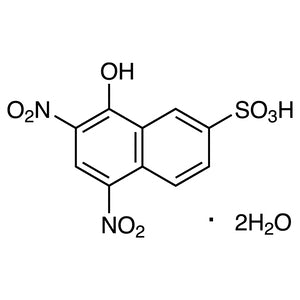
FlavianicAcidDihydrate TCI F0012
Regular price Rp 1.749.300,00Regular price -
Flavone TCI F0015
Regular price From Rp 637.350,00Regular price -
Fluoranthene TCI F0016
Regular price From Rp 848.400,00Regular price -
Fluorene TCI F0017
Regular price From Rp 530.250,00Regular price -
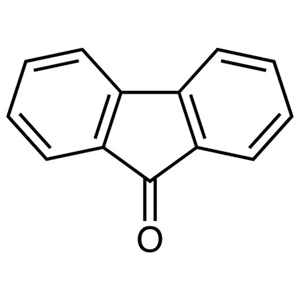
9-Fluorenone TCI F0021
Regular price From Rp 477.750,00Regular price -
9-FluorenecarboxylicAcid TCI F0022
Regular price From Rp 980.700,00Regular price
![Formic Acid [for LC-MS] (CAS 64-18-6) - TCI F0654 - AMI Scientific](http://amiscientific.com/cdn/shop/files/TCI2510F0654.jpg?v=1769056084&width=533)