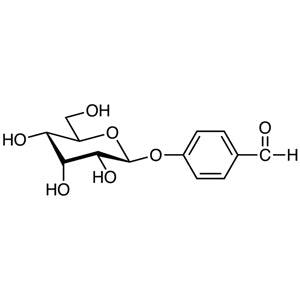
4-Formylphenyl beta-D-Allopyranoside is a chemical compound widely used in laboratory research within the fields of chemical biology and glycoscience. This compound plays a crucial role in the synthesis of complex molecules, particularly in studies focused on the structure and function of glycans. Its unique molecular structure combines a phenyl group modified with formaldehyde and a glycoside moiety, making it a valuable tool for researchers exploring molecular interactions and chemical modifications. Due to its reactivity, it is frequently employed in applications that require precise chemical transformations and functional group manipulations.
The compound's reactivity and structural complexity make it a preferred choice for researchers working on advanced chemical synthesis. Its ability to participate in reactions involving aldehyde and glycoside groups allows for the development of new compounds with potential applications in pharmaceutical and biotechnological research. The compound’s stability under controlled conditions further enhances its utility, although it requires careful handling due to its sensitivity to moisture and air exposure. These properties make it a reliable and versatile reagent in modern laboratory settings.
In Indonesian laboratories, 4-Formylphenyl beta-D-Allopyranoside is commonly used by researchers in higher education institutions and research organizations. It is integral to studies in glycoscience and chemical biology, supporting both fundamental and applied research. Its presence in these laboratories underscores its importance in advancing scientific understanding and innovation in the field.
- Glycoscience Research – This compound is ideal for studying glycan structures and their biological functions due to its glycoside group and reactivity.
- Molecular Interaction Studies – Its aldehyde functionality allows for the investigation of molecular interactions and binding mechanisms in biochemical systems.
- Chemical Synthesis – It serves as a key building block in the synthesis of complex organic molecules, particularly in drug development and bioactive compound research.
- Structural Analysis – The compound is used in analytical techniques to probe the structural properties of glycosidic linkages and their modifications.
- Bioconjugation Studies – Its reactivity makes it suitable for conjugation reactions, enabling the creation of bioconjugates for various biomedical applications.
| Brand | — |
|---|---|
| CAS number | — |
| Molecular formula | — |
| Purity | — |
| Category | — |
| Pack sizes | — |
| Physical form | — |
| Storage | — |
- Brand – TCI
- CAS Number – 80154-34-3
- Category – Chemistry > Chemical Biology > Glycoscience
- Pack Sizes – Available in standard laboratory quantities as specified by the supplier
- Physical Form – Solid, typically in crystalline or powder form
- Storage Note – Requires storage in a dry, cool environment away from moisture and air exposure
4-Formylphenyl beta-D-Allopyranoside should be stored in a dry, cool place to maintain its stability and prevent degradation. It is recommended to use airtight containers to minimize exposure to moisture and air, which can affect its reactivity and shelf life. In a laboratory setting, it should be handled with appropriate personal protective equipment, such as gloves and safety goggles, to ensure safety during use and storage. The compound is sensitive to environmental factors, so maintaining controlled storage conditions is essential for preserving its chemical integrity and effectiveness in research applications. Proper labeling and storage practices help prevent contamination and ensure safe handling in laboratory environments.
—
Produk Terkait
-
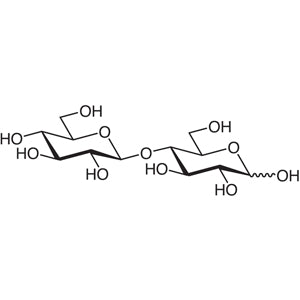
D-(+)-Cellobiose TCI C0056
Regular price From Rp 875.700,00Regular price -
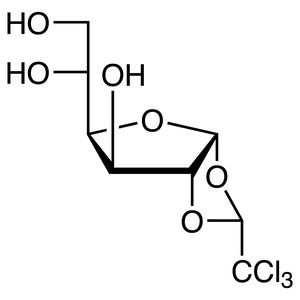
alpha-Chloralose(containsbeta-isomer) TCI C0074
Regular price Rp 848.400,00Regular price -
ChondroitinSulfateSodiumSalt TCI C0335
Regular price From Rp 2.068.500,00Regular price -
alpha-Cyclodextrin TCI C0776
Regular price From Rp 689.850,00Regular price -
beta-Cyclodextrin TCI C0777
Regular price From Rp 2.094.750,00Regular price -
alpha-D-CellobioseOctaacetate TCI C0861
Regular price Rp 2.518.950,00Regular price -
gamma-Cyclodextrin TCI C0869
Regular price From Rp 1.087.800,00Regular price -
beta-Cyclodextrin TCI C0900
Regular price From Rp 505.050,00Regular price