

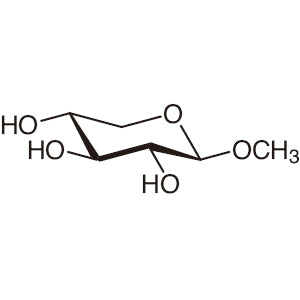
Methyl-beta-D-xylopyranoside is a chemical compound widely used in chemical and biochemical experiments, particularly in the field of glycoscience. It is a derivative of xylopyranose, a pentose sugar with a cyclic structure, and plays a significant role in laboratory research. This compound is commonly employed as a substrate or inhibitor in enzymatic reactions, aiding in the study of enzyme mechanisms and substrate specificity. Its unique molecular structure makes it an essential tool for investigating molecular interactions and enzyme activity in various biochemical processes.
The compound is known for its solubility in organic solvents and stability under controlled laboratory conditions. These properties make it a preferred choice for researchers working in glycoscience and related disciplines. Its resistance to degradation and good reactivity ensure consistent results in experimental setups. Additionally, its non-toxic nature and ease of handling contribute to its popularity in laboratory environments. These characteristics make it a reliable and safe material for use in both academic and industrial research settings.
In Indonesian laboratories, Methyl-beta-D-xylopyranoside is utilized by researchers in educational and research institutions for studies related to carbohydrate metabolism, glycoside synthesis, and enzymatic activity. Its application is widespread in both basic and applied research, supporting advancements in biochemical and pharmaceutical sciences. The compound is an essential component in the toolkit of many scientists working in the field of glycoscience in Indonesia.
TCI brochures (PDF)
Related TCI products
- TCI N0620 2001-96-9 4-Nitrophenyl beta-D-Xylopyranoside [Substrate for beta-Xylosidase]
- TCI T4066 4049-33-6 1,2,3,4-Tetra-O-acetyl-beta-D-xylopyranose
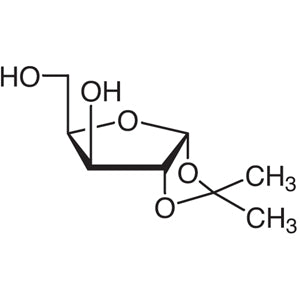
- TCI I0721 20031-21-4 1,2-O-Isopropylidene-alpha-D-xylofuranose
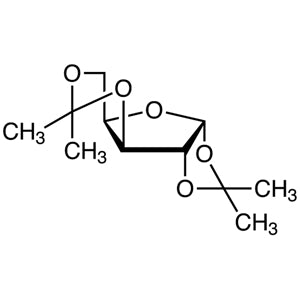
- TCI D2616 20881-04-3 1,2:3,5-Di-O-isopropylidene-alpha-D-xylofuranose
- TCI F0542 80154-34-3 4-Formylphenyl beta-D-Allopyranoside
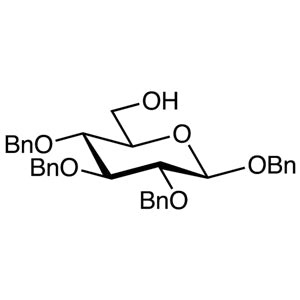
- TCI B4171 27851-29-2 Benzyl 2,3,4-Tri-O-benzyl-beta-D-glucopyranoside
- Enzymatic Reaction Studies – Methyl-beta-D-xylopyranoside is ideal for studying enzyme-substrate interactions due to its structural similarity to natural substrates.
- Glycoside Synthesis – The compound serves as a building block in the synthesis of complex glycosides, enabling the creation of bioactive molecules.
- Metabolic Pathway Research – It is used to investigate carbohydrate metabolism pathways, providing insights into cellular processes.
- Molecular Interaction Analysis – Its specific molecular structure allows for the study of molecular recognition and binding mechanisms.
- Pharmaceutical Development – The compound is valuable in drug discovery, supporting the design of enzyme inhibitors and therapeutic agents.
| Brand | TCI |
|---|---|
| CAS number | 612-05-5 |
| Molecular formula | — |
| Purity | — |
| Category | Chemistry > Chemical Biology > Glycoscience |
| Pack sizes | Available in various quantities as per standard laboratory supply |
| Physical form | Solid powder |
| Storage | Store in a cool, dry place away from light and moisture |
Methyl-beta-D-xylopyranoside should be stored in a cool, dry place, away from direct light and moisture to maintain its stability and purity. It is recommended to use airtight containers to prevent contamination and moisture absorption. As a solid powder, it is easy to handle and does not require special protective equipment for routine use. However, standard laboratory safety practices should be followed, including proper ventilation and the use of gloves when handling. The compound is non-toxic and safe to use, making it suitable for everyday laboratory operations. Its inert nature and stable properties ensure that it remains a reliable and safe material for research applications.
—
Product Categories
Produk Terkait
-
4-Nitrophenylbeta-D-Xylopyranoside[Substrateforbeta-Xylosidase] TCI N0620
Regular price Rp 2.041.200,00Regular price -
1,2,3,4-Tetra-O-acetyl-beta-D-xylopyranose TCI T4066
Regular price From Rp 1.644.300,00Regular price -
1,2-O-Isopropylidene-alpha-D-xylofuranose TCI I0721
Regular price From Rp 2.094.750,00Regular price -
1,2:3,5-Di-O-isopropylidene-alpha-D-xylofuranose TCI D2616
Regular price Rp 1.298.850,00Regular price -
4-Formylphenylbeta-D-Allopyranoside TCI F0542
Regular price Rp 2.995.650,00Regular price -
Benzyl2,3,4-Tri-O-benzyl-beta-D-glucopyranoside TCI B4171
Regular price Rp 3.870.300,00Regular price -
5-Bromo-3-indolylbeta-D-Galactopyranoside[forBiochemicalResearch] TCI B3470
Regular price From Rp 743.400,00Regular price -
5-Bromo-4-chloro-3-indolylbeta-D-Galactopyranoside[forBiochemicalResearch] TCI B3201
Regular price From Rp 1.326.150,00Regular price
![2001-96-9 4-Nitrophenyl beta-D-Xylopyranoside [Substrate for beta-Xylosidase] - AMI Scientific](http://amiscientific.com/cdn/shop/files/TCI2510N0620.jpg?v=1767130146&width=533)


![97753-82-7 5-Bromo-3-indolyl beta-D-Galactopyranoside [for Biochemical Research] - AMI Scientific](http://amiscientific.com/cdn/shop/files/TCI2510B3470.jpg?v=1768193597&width=533)
![7240-90-6 5-Bromo-4-chloro-3-indolyl beta-D-Galactopyranoside [for Biochemical Research] - AMI Scientific](http://amiscientific.com/cdn/shop/files/TCI2510B3201.jpg?v=1768193511&width=533)