3-(4-Fluorophenyl)-1-isopropylindole is a chemical compound widely used as a building block in the synthesis of complex molecules. It plays a crucial role in organic chemistry laboratories, where it serves as a versatile intermediate for creating a variety of structurally diverse compounds. Its presence in research settings highlights its importance in the development of bioactive substances. This compound is particularly valued for its ability to undergo various chemical transformations, making it an essential tool for synthetic chemists.
The compound's unique properties, including its fluorinated substituent and complex molecular structure, make it a preferred choice in advanced chemical research. The presence of fluorine atoms contributes to its distinct reactivity and ability to form unique chemical bonds, which is highly beneficial in precision synthesis. Additionally, its chemical stability under controlled conditions ensures reliable performance in laboratory experiments. These characteristics make it ideal for applications requiring high specificity and controlled chemical behavior.
In Indonesian laboratories, this compound is frequently utilized by researchers in the field of chemistry. It is particularly popular in pharmaceutical and organic chemistry departments due to its potential in drug development and molecular design. Its role in biological research also makes it a valuable asset for scientists working on bioactive compound synthesis and receptor interaction studies.
TCI brochures (PDF)
- Fluorination Reagents, Fluorinated Building Blocks 2026-03-18 · p. 15
Related TCI products
- TCI F0819 93957-50-7 (E)-3-[3-(4-Fluorophenyl)-1-isopropylindol-2-yl]acrolein
- TCI B5335 1030825-20-7 2-(5-Bromo-2-methylbenzyl)-5-(4-fluorophenyl)thiophene
- TCI B2764 27469-60-9 1-[Bis(4-fluorophenyl)methyl]piperazine
- TCI A2929 81465-82-9 5-Amino-3-(4-fluorophenyl)isoxazole
- TCI F1428 33282-24-5 5-(4-Fluorophenyl)isoxazole-3-carboxylic Acid
- TCI F1356 347-12-6 2-(4-Fluorophenyl)imidazo[1,2-a]pyridine
- Organic synthesis research utilizes this compound due to its structural versatility and reactivity, enabling the creation of complex molecules with tailored properties.
- Pharmaceutical development benefits from its ability to interact with biological receptors, making it useful in the design of bioactive compounds.
- Fluorinated building blocks research leverages its fluorine-containing structure for studying molecular modifications and reactivity patterns.
- Drug candidate synthesis relies on its stability and reactivity to produce compounds with desired pharmacological profiles.
- Molecular modeling studies use its known structure to simulate chemical behavior and predict molecular interactions in various environments.
| Brand | TCI |
|---|---|
| CAS number | 93957-49-4 |
| Molecular formula | — |
| Purity | — |
| Category | Chemistry > Building Blocks > Fluorinated Building Blocks |
| Pack sizes | Available in standard laboratory quantities as per supplier specifications |
| Physical form | Solid, crystalline or amorphous depending on purity and storage conditions |
| Storage | Requires protection from moisture and light to maintain stability and prevent degradation |
This compound should be stored in a cool, dry environment away from direct sunlight and sources of moisture. It is recommended to use airtight, light-resistant containers to minimize exposure to environmental factors that could affect its stability. Due to its sensitivity, it should be handled in a well-ventilated area, and appropriate personal protective equipment should be worn when working with it. Regular monitoring of storage conditions is essential to ensure the compound remains chemically stable and suitable for use in laboratory applications. Proper labeling and secure storage are also important to prevent accidental exposure or contamination.
—
Produk Terkait
-
(E)-3-[3-(4-Fluorophenyl)-1-isopropylindol-2-yl]acrolein TCI F0819
Regular price From Rp 717.150,00Regular price -
2-(5-Bromo-2-methylbenzyl)-5-(4-fluorophenyl)thiophene TCI B5335
Regular price From Rp 1.035.300,00Regular price -
1-[Bis(4-fluorophenyl)methyl]piperazine TCI B2764
Regular price From Rp 769.650,00Regular price -
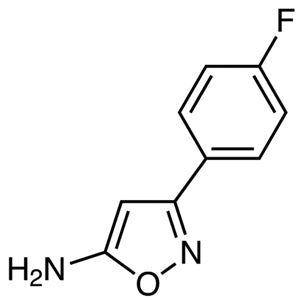
5-Amino-3-(4-fluorophenyl)isoxazole TCI A2929
Regular price From Rp 1.510.950,00Regular price -
5-(4-Fluorophenyl)isoxazole-3-carboxylicAcid TCI F1428
Regular price From Rp 2.386.650,00Regular price -
2-(4-Fluorophenyl)imidazo[1,2-a]pyridine TCI F1356
Regular price Rp 2.969.400,00Regular price -
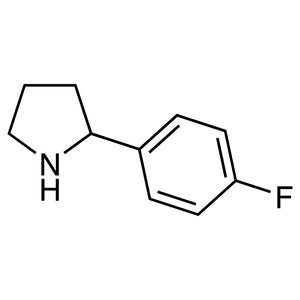
2-(4-Fluorophenyl)pyrrolidine TCI F1329
Regular price Rp 7.129.500,00Regular price -
1-Benzyl-3-(4-fluorophenyl)piperazine TCI F1303
Regular price From Rp 2.094.750,00Regular price
![(E)-3-[3-(4-Fluorophenyl)-1-isopropylindol-2-yl]acrolein (CAS 93957-50-7) - TCI F0819 - AMI Scientific](http://amiscientific.com/cdn/shop/files/TCI2510F0819.jpg?v=1767113880&width=533)

![27469-60-9 1-[Bis(4-fluorophenyl)methyl]piperazine - AMI Scientific](http://amiscientific.com/cdn/shop/files/TCI2510B2764.jpg?v=1768815392&width=533)

![2-(4-Fluorophenyl)imidazo[1,2-a]pyridine (CAS 347-12-6) - TCI F1356 - AMI Scientific](http://amiscientific.com/cdn/shop/files/TCI2510F1356.jpg?v=1768819019&width=533)