2-Fluoro-3-(trifluoromethyl)benzonitrile is a fluorinated organic compound widely used as a building block in the synthesis of complex organic molecules. Its unique molecular structure, rich in fluorine atoms, makes it a valuable tool for chemists and researchers in various scientific fields. This compound is particularly relevant in pharmaceutical and materials science research due to its ability to participate in a variety of chemical reactions. Its chemical stability and controlled reactivity make it a versatile reagent for synthetic applications.
The compound’s high fluorine content contributes to its chemical stability and allows for precise control over reactivity in laboratory settings. This characteristic is crucial for applications involving substitution and electrophilic reactions. The presence of multiple fluorine atoms also influences its solubility and reactivity, making it suitable for a wide range of synthetic pathways. Its ability to be modified through various chemical transformations further enhances its utility in the development of new compounds with specific biological activities.
In Indonesian laboratories, 2-Fluoro-3-(trifluoromethyl)benzonitrile is commonly used by chemists and pharmacologists to develop novel compounds with potential therapeutic applications. It is also employed in educational settings to teach students about fluorinated compounds and their role in organic chemistry. Its versatility and reliability make it a preferred choice for both research and teaching purposes in the chemical sciences.
Related TCI products
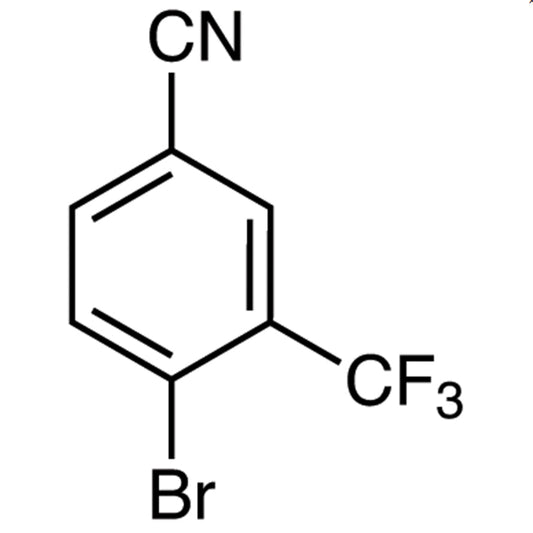
- TCI B4691 1735-53-1 4-Bromo-3-(trifluoromethyl)benzonitrile
- TCI B1896 27126-93-8 3,5-Bis(trifluoromethyl)benzonitrile
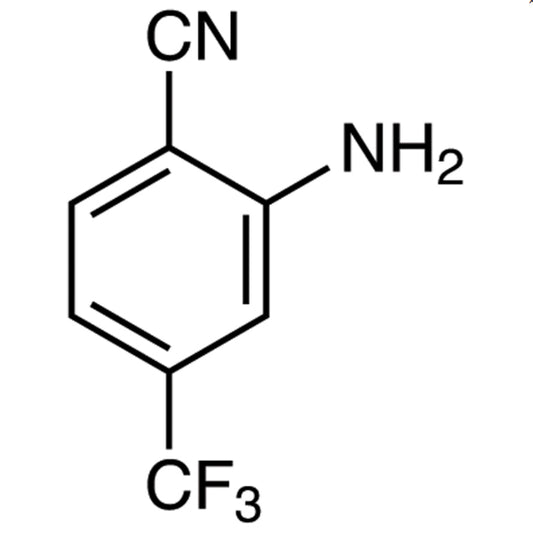
- TCI A2648 1483-54-1 2-Amino-4-(trifluoromethyl)benzonitrile
- TCI A2644 327-74-2 4-Amino-3-(trifluoromethyl)benzonitrile
- TCI N1068 320-47-8 4-Nitro-2-(trifluoromethyl)benzonitrile
- TCI I1018 101066-87-9 4-Iodo-2-(trifluoromethyl)benzonitrile
- Organic synthesis of complex pharmaceutical compounds due to its fluorinated structure and reactivity.
- Development of functional materials where fluorine content enhances chemical stability and performance.
- Research in medicinal chemistry for the design of new drugs with improved pharmacological properties.
- Educational use in teaching fluorinated compound chemistry and reaction mechanisms.
- Investigation of electrophilic and substitution reactions in synthetic organic chemistry.
| Brand | TCI |
|---|---|
| CAS number | 146070-35-1 |
| Molecular formula | — |
| Purity | — |
| Category | Chemistry > Building Blocks > Fluorinated Building Blocks |
| Pack sizes | Available in various sizes as per supplier specifications |
| Physical form | Liquid or crystalline, depending on the specific formulation |
| Storage | Store in a cool, dry place away from light and incompatible materials |
This compound should be stored in a cool, dry environment, away from direct sunlight and sources of heat. It is recommended to use airtight containers made of materials compatible with fluorinated compounds, such as glass or high-density polyethylene. Proper ventilation is essential when handling this material to minimize exposure to vapors. Due to its chemical stability, it does not require refrigeration but should be kept in a secure location to prevent accidental spills or contamination. Always follow standard laboratory safety protocols when working with fluorinated compounds, including the use of personal protective equipment.
—
Produk Terkait
-
4-Bromo-3-(trifluoromethyl)benzonitrile TCI B4691
Regular price From Rp 2.147.250,00Regular price -
3,5-Bis(trifluoromethyl)benzonitrile TCI B1896
Regular price From Rp 2.041.200,00Regular price -
2-Amino-4-(trifluoromethyl)benzonitrile TCI A2648
Regular price From Rp 1.220.100,00Regular price -
4-Amino-3-(trifluoromethyl)benzonitrile TCI A2644
Regular price From Rp 823.200,00Regular price -
4-Nitro-2-(trifluoromethyl)benzonitrile TCI N1068
Regular price Rp 1.060.500,00Regular price -
4-Iodo-2-(trifluoromethyl)benzonitrile TCI I1018
Regular price From Rp 1.618.050,00Regular price -
2-Fluoro-5-(4,4,5,5-tetramethyl-1,3,2-dioxaborolan-2-yl)benzonitrile TCI F1253
Regular price From Rp 1.193.850,00Regular price -
3-Fluoro-4-(trifluoromethyl)benzonitrile TCI F1019
Regular price From Rp 584.850,00Regular price