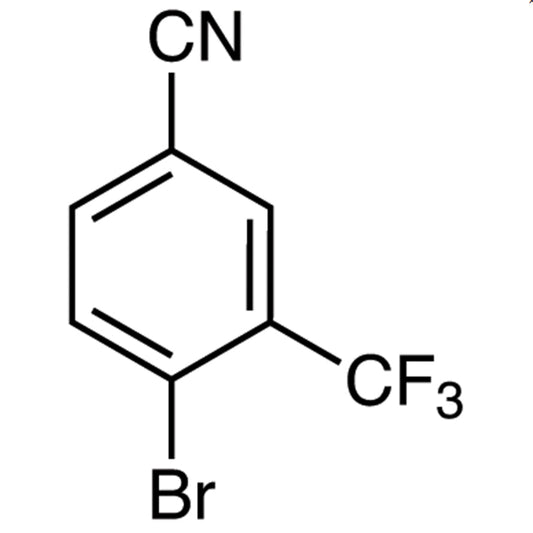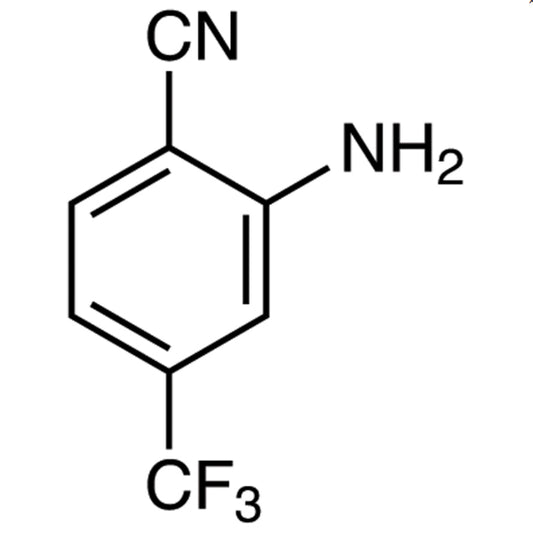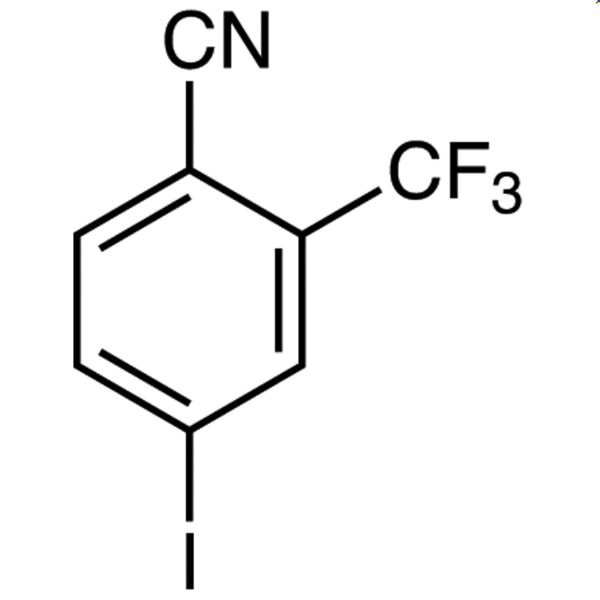
4-Iodo-2-(trifluoromethyl)benzonitrile is a chemical compound widely used as a building block in the synthesis of complex molecules. Its molecular structure features both iodine and trifluoromethyl groups, making it a valuable reagent in organic chemistry. This compound plays a crucial role in laboratory settings where researchers aim to develop compounds with specific functional properties, such as pharmaceuticals or electronic materials. Due to its unique chemical composition, it is often employed in various synthetic pathways to introduce specific functionalities into target molecules.
The presence of iodine and trifluoromethyl groups significantly influences the chemical reactivity and stability of this compound. These substituents contribute to its versatility in different types of chemical reactions, including substitution, electrophilic, and catalytic processes. The compound’s reactivity is further enhanced by the electron-withdrawing nature of the trifluoromethyl group, which can affect reaction mechanisms and product outcomes. Its stability under controlled conditions also makes it a reliable choice for synthetic applications.
In Indonesian laboratories, 4-Iodo-2-(trifluoromethyl)benzonitrile is commonly used in research related to organic chemistry, pharmacology, and materials science. It supports the development of compounds with biomedical, industrial, or technological applications. Many research institutions and universities in Indonesia rely on this compound for advancing scientific knowledge and innovation in various fields. Its availability and chemical properties make it an essential tool for researchers working on complex molecular synthesis.
Related TCI products
- TCI B5828 191165-13-6 4-Bromo-2-(trifluoromethyl)benzonitrile
- TCI B4691 1735-53-1 4-Bromo-3-(trifluoromethyl)benzonitrile
- TCI B1896 27126-93-8 3,5-Bis(trifluoromethyl)benzonitrile
- TCI A2648 1483-54-1 2-Amino-4-(trifluoromethyl)benzonitrile
- TCI A2644 327-74-2 4-Amino-3-(trifluoromethyl)benzonitrile
- TCI N1068 320-47-8 4-Nitro-2-(trifluoromethyl)benzonitrile
- Organic synthesis applications benefit from this compound’s reactivity and functional group versatility, enabling the creation of complex molecules with tailored properties.
- Pharmaceutical research utilizes its iodine and trifluoromethyl groups to develop compounds with enhanced biological activity and stability.
- Materials science applications leverage its unique electronic properties for the synthesis of advanced electronic and optoelectronic materials.
- Analytical chemistry experiments use it as a standard reference for testing reaction mechanisms and spectroscopic properties.
- Industrial chemical development incorporates it in the production of specialty chemicals with specific functional and performance characteristics.
| Brand | TCI |
|---|---|
| CAS number | 101066-87-9 |
| Molecular formula | — |
| Purity | — |
| Category | Chemistry > Building Blocks > Fluorinated Building Blocks |
| Pack sizes | Available in various quantities as per supplier specifications |
| Physical form | Solid or liquid, depending on the specific product variant |
| Storage | Store in a cool, dry place away from light and incompatible substances |
This compound should be stored in a cool, dry environment, away from direct sunlight and sources of heat. It is recommended to use airtight containers made of materials compatible with its chemical properties, such as glass or high-density polyethylene. Due to its reactivity, it should be handled with appropriate personal protective equipment, including gloves and safety goggles. Avoid contact with moisture and incompatible substances to prevent unintended reactions. Proper ventilation is essential when working with this compound to minimize exposure risks. Always follow standard laboratory safety protocols to ensure safe handling and storage.
—
Produk Terkait
-
4-Bromo-2-(trifluoromethyl)benzonitrile TCI B5828
Regular price From Rp 2.571.450,00Regular priceRp 1.813.350,00Sale price From Rp 2.571.450,00 -
4-Bromo-3-(trifluoromethyl)benzonitrile TCI B4691
Regular price From Rp 2.199.750,00Regular priceRp 1.554.000,00Sale price From Rp 2.199.750,00 -
3,5-Bis(trifluoromethyl)benzonitrile TCI B1896
Regular price From Rp 2.093.700,00Regular priceRp 1.479.450,00Sale price From Rp 2.093.700,00 -
2-Amino-4-(trifluoromethyl)benzonitrile TCI A2648
Regular price From Rp 1.272.600,00Regular priceRp 905.100,00Sale price From Rp 1.272.600,00 -
4-Amino-3-(trifluoromethyl)benzonitrile TCI A2644
Regular price From Rp 875.700,00Regular priceRp 627.900,00Sale price From Rp 875.700,00 -
4-Nitro-2-(trifluoromethyl)benzonitrile TCI N1068
Regular price Rp 1.113.000,00Regular priceRp 793.800,00Sale price Rp 1.113.000,00 -
2-Fluoro-3-(trifluoromethyl)benzonitrile TCI F1125
Regular price From Rp 689.850,00Regular priceRp 497.700,00Sale price From Rp 689.850,00 -
3-Fluoro-4-(trifluoromethyl)benzonitrile TCI F1019
Regular price From Rp 637.350,00Regular priceRp 460.950,00Sale price From Rp 637.350,00