![5-Fluoro-3,3-bis(4-fluorophenyl)benzo[c][1,2]oxaborol-1(3H)-ol (CAS 2366993-30-6) - TCI F1259 - AMI Scientific](http://amiscientific.com/cdn/shop/files/TCI2510F1259.jpg?v=1767114281&width=1946)
![5-Fluoro-3,3-bis(4-fluorophenyl)benzo[c][1,2]oxaborol-1(3H)-ol (CAS 2366993-30-6) - TCI F1259 - AMI Scientific](http://amiscientific.com/cdn/shop/files/TCI2510F1259.jpg?v=1767114281&width=1445)
5-Fluoro-3,3-bis(4-fluorophenyl)benzo[c][1,2]oxaborol-1(3H)-ol is a specialized chemical compound used in catalytic reactions and organic synthesis within laboratory settings. This compound plays a crucial role in facilitating chemical transformations by acting as a catalyst or reagent in condensation processes. Its unique molecular structure, involving boron and fluorine atoms, enhances its reactivity and ability to interact with various substrates under specific conditions. This makes it a valuable tool for researchers aiming to achieve complex chemical modifications and functional group transformations.
The compound's properties, including its ability to function as an electron donor and its capacity to form bonds with high electronegative ligands, make it a preferred choice in advanced chemical applications. Its molecular structure provides stability under reaction conditions, allowing for repeated use in different experimental setups. Additionally, its reactivity enables its application in both polar and non-polar solvents, offering versatility in experimental design. These characteristics contribute to its effectiveness in a wide range of chemical processes.
In Indonesian laboratories, this compound is commonly used in organic chemistry research, particularly in catalysis and the synthesis of complex compounds. It is a key component in studies aimed at developing new synthetic methodologies and exploring the reactivity of boron-containing compounds. Its application is prevalent in academic and research institutions across Indonesia, supporting advancements in chemical science and industrial applications.
TCI brochures (PDF)
- Condensing Agents 2025-11-18 · p. 8
- Boron Compounds 2025-10-07 · p. 21
Related TCI products
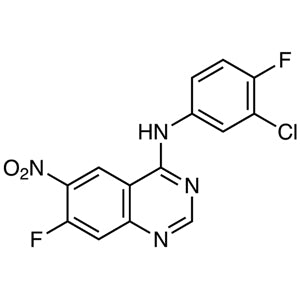
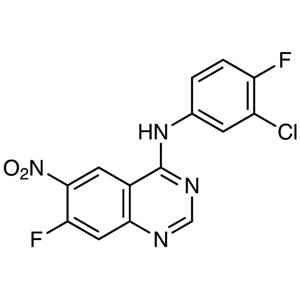
- TCI C3276 162012-67-1 N-(3-Chloro-4-fluorophenyl)-7-fluoro-6-nitro-4-quinazolinamine
- TCI B2291 405074-81-9 1-[Bis(trifluoromethanesulfonyl)methyl]-2,3,4,5,6-pentafluorobenzene
- TCI P1626 912823-79-1 Pentafluoroanilinium Trifluoromethanesulfonate
- TCI P0941 84752-61-4 Pyridinium 3-Nitrobenzenesulfonate
- TCI D3982 1334529-08-6 6,7-Dihydro-2-(2,4,6-trimethylphenyl)-5H-pyrrolo[2,1-c]-1,2,4-triazolium Perchlorate
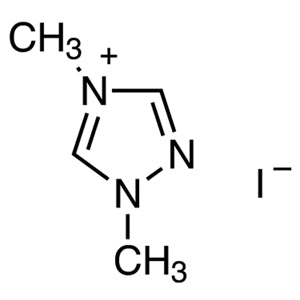
- TCI D3962 120317-69-3 1,4-Dimethyl-1,2,4-triazolium Iodide
- Organic synthesis reactions benefit from this compound’s ability to act as a catalyst in condensation processes, enabling the formation of complex molecular structures with high efficiency.
- Catalytic activation in electron-deficient systems is enhanced by its electron-donating properties, making it ideal for reactions requiring specific electronic activation.
- Synthesis of fluorinated compounds is supported by its fluorine-containing structure, allowing for precise control over reactivity and selectivity in fluorination processes.
- Ligand binding applications leverage its capacity to form stable interactions with high electronegative ligands, facilitating targeted molecular interactions in coordination chemistry.
- Condensation reactions in synthetic pathways benefit from its structural stability and reactivity, supporting the development of new chemical compounds in research settings.
| Brand | TCI |
|---|---|
| CAS number | 2366993-30-6 |
| Molecular formula | — |
| Purity | — |
| Category | Chemistry > Catalysis and Inorganic Chemistry > Condensation [Catalysis] |
| Pack sizes | — |
| Physical form | — |
| Storage | Store in a cool, dry place away from moisture and direct sunlight |
This compound should be stored in a cool, dry environment, away from moisture and direct sunlight to maintain its chemical integrity. It is recommended to use airtight containers to prevent exposure to air and humidity, which could affect its stability. General laboratory precautions include handling with care to avoid inhalation or skin contact, and ensuring proper ventilation when working with the compound. Due to its chemical nature, it should be stored separately from incompatible substances to prevent any potential reactions. Proper labeling and storage conditions are essential to ensure safe handling and long-term usability in laboratory settings.
—
Produk Terkait
-
N-(3-Chloro-4-fluorophenyl)-7-fluoro-6-nitro-4-quinazolinamine TCI C3276
Regular price From Rp 1.246.350,00Regular price -
1-[Bis(trifluoromethanesulfonyl)methyl]-2,3,4,5,6-pentafluorobenzene TCI B2291
Regular price From Rp 3.763.200,00Regular price -
PentafluoroaniliniumTrifluoromethanesulfonate TCI P1626
Regular price From Rp 2.677.500,00Regular price -
Pyridinium3-Nitrobenzenesulfonate TCI P0941
Regular price From Rp 664.650,00Regular price -
6,7-Dihydro-2-(2,4,6-trimethylphenyl)-5H-pyrrolo[2,1-c]-1,2,4-triazoliumPerchlorate TCI D3982
Regular price Rp 3.207.750,00Regular price -
1,4-Dimethyl-1,2,4-triazoliumIodide TCI D3962
Regular price From Rp 1.431.150,00Regular price -
DiphenylammoniumTrifluoromethanesulfonate TCI D3683
Regular price From Rp 3.472.350,00Regular price -
DimesitylammoniumPentafluorobenzenesulfonate TCI D3293
Regular price From Rp 2.704.800,00Regular price
![405074-81-9 1-[Bis(trifluoromethanesulfonyl)methyl]-2,3,4,5,6-pentafluorobenzene - AMI Scientific](http://amiscientific.com/cdn/shop/files/TCI2510B2291_1d491266-8d39-418c-8071-bf7f7c3bd951.jpg?v=1767336434&width=533)


![6,7-Dihydro-2-(2,4,6-trimethylphenyl)-5H-pyrrolo[2,1-c]-1,2,4-triazolium Perchlorate (CAS 1334529-08-6) - TCI D3982 - AMI Scientific](http://amiscientific.com/cdn/shop/files/TCI2510D3982.jpg?v=1767106885&width=533)