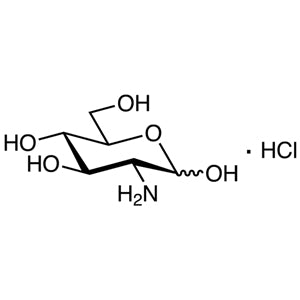
D-(+)-Glucosamine Hydrochloride is a chemical compound widely used in chemical and biological research. As a derivative of glucose, it possesses a complex molecular structure that makes it a key component in the study of glycosides and carbohydrate metabolism. In the laboratory, it serves as a fundamental building block for the synthesis of various compounds and is frequently employed in biochemical experiments related to metabolic processes. Its role is critical in understanding the biochemical pathways involved in cellular function and disease mechanisms.
This compound is preferred due to its chemical stability under normal conditions, which simplifies storage and long-term use. It also exhibits good solubility in water, facilitating its application in a variety of chemical reactions. These properties make it a reliable and versatile material for researchers. Its high reactivity further supports its use in diverse experimental setups, enhancing its utility in both basic and applied research.
In Indonesian laboratories, D-(+)-Glucosamine Hydrochloride is commonly used in biochemical and pharmacological studies. It is a staple in research focused on enzyme activity, drug development, and the investigation of degenerative diseases. Its availability and reliability make it an essential reagent for both academic and industrial research settings in Indonesia.
TCI brochures (PDF)
- Reagents for Glyco Chemistry & Biology 5th Edition · p. 46
- Pharmaceutical Ingredients for Research and Experimental Use 2026-03-09 · p. 49
- Reagents for Biological Research 2025-03-11 · p. 50
- Enzyme Activity Testing: This compound is ideal for assessing the activity of enzymes involved in carbohydrate metabolism due to its structural similarity to glucose.
- Drug Development Research: It is frequently used in the synthesis of pharmaceutical compounds, particularly those targeting metabolic disorders and inflammatory conditions.
- Glycoscience Studies: Its complex molecular structure makes it a valuable tool in the study of glycosylation processes and carbohydrate-based biomolecules.
- Metabolic Pathway Analysis: It supports experiments aimed at understanding how carbohydrates are processed within cells, aiding in the study of metabolic diseases.
- Degenerative Disease Research: It is used to investigate the role of carbohydrates in conditions such as arthritis and osteoarthritis, contributing to therapeutic development.
| Brand | TCI |
|---|---|
| CAS number | 66-84-2 |
| Molecular formula | — |
| Purity | — |
| Category | Chemistry > Chemical Biology > Glycoscience |
| Pack sizes | Available in various quantities to suit different research needs |
| Physical form | White crystalline powder |
| Storage | Store in a cool, dry place away from moisture and light |
D-(+)-Glucosamine Hydrochloride should be stored in a cool, dry place, away from moisture and direct light to maintain its stability and purity. It is best kept in a sealed container to prevent exposure to air and humidity. As a chemical reagent, it requires careful handling to avoid contamination. Laboratory personnel should use appropriate safety measures, such as gloves and safety goggles, when handling the compound. It is not hazardous under normal conditions but should be treated with standard chemical safety protocols. Proper storage ensures the compound remains effective for extended use in research applications.
—
Product Categories
- GlycoscienceApplications Using Glyco-materialsGlyco-utilization [Applications Using Glyco-materials]
- GlycoscienceMonosaccharides [Glycoscience]Glucosamines [Glycoscience]
- Biochemicals and ReagentsCarbohydrates
- Biochemicals and ReagentsPharmaceutical Research Reagents (for Experimental Use)Cosmetic Research Reagents (for Experimental Use)
- Pharmaceutical Development and Drug Discovery ResearchPharmaceutical Research Reagents (for Experimental Use)Cosmetic Research Reagents (for Experimental Use)
Produk Terkait
-
N-Acetyl-D-glucosamine TCI A0092
Regular price From Rp 928.200,00Regular price -
N-Valeryl-D-glucosamine TCI V0011
Regular price Rp 1.565.550,00Regular price -
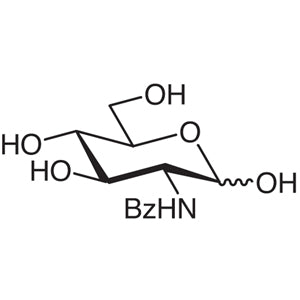
N-Benzoyl-D-glucosamine TCI B0200
Regular price From Rp 1.298.850,00Regular price -
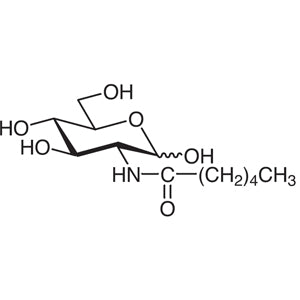
N-Hexanoyl-D-glucosamine TCI H0118
Regular price Rp 1.881.600,00Regular price -
Arbutin TCI A0522
Regular price From Rp 452.550,00Regular price -
PhenylN-Acetyl-alpha-D-glucosaminide TCI P0130
Regular price Rp 3.100.650,00Regular price -
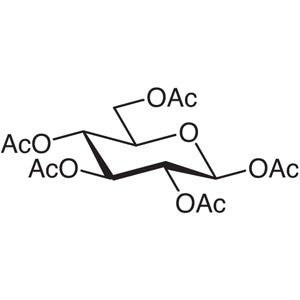
Penta-O-acetyl-beta-D-glucopyranose TCI P0028
Regular price From Rp 1.644.300,00Regular price -
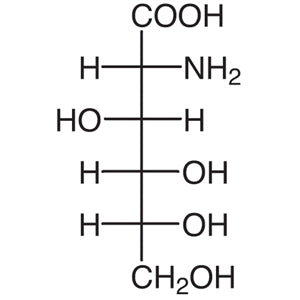
D-GlucosamicAcid TCI G0042
Regular price From Rp 3.605.700,00Regular price