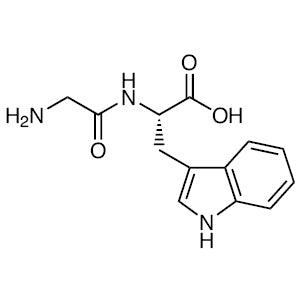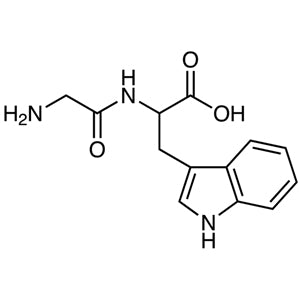
Glycyl-DL-tryptophan (TCI G0190), with CAS number 2189-26-6, is a chemical compound widely used in laboratory experiments related to biochemistry and peptides. It is a key component in the study of protein structure and function, particularly in molecular interaction research and peptide synthesis. This compound plays a vital role in the development of analytical and synthetic methods for organic compounds. Its chemical stability allows it to be used under various laboratory conditions, making it a reliable reagent for scientific investigations.
As a simple peptide structure, Glycyl-DL-tryptophan is easily recognized and utilized in various chemical reactions. Its purity ensures that it does not introduce impurities that could interfere with experimental results. This makes it a preferred choice for researchers seeking consistent and reproducible outcomes. The compound’s ability to participate in complex chemical reactions further enhances its utility in advanced laboratory applications.
In Indonesian laboratories, Glycyl-DL-tryptophan is commonly used in biochemical, pharmacological, and biotechnological research. Its availability, reliability, and compatibility with a wide range of chemical processes make it a top choice for scientists. It supports the development of new methodologies and contributes to the advancement of scientific knowledge in various fields of study.
TCI brochures (PDF)
- Amino Acids and Peptide Synthesis Reagents 2025-08-14 · p. 34
- Peptide Synthesis: Glycyl-DL-tryptophan is essential for constructing peptide chains, offering a stable and reliable building block for synthetic peptide production.
- Molecular Interaction Studies: Its role in protein structure analysis enables researchers to study molecular interactions and binding mechanisms effectively.
- Biochemical Research: The compound supports investigations into metabolic pathways and enzymatic reactions, providing insights into biological processes.
- Pharmacological Development: It is used in drug discovery to model peptide-based therapeutics and evaluate their biological activity.
- Biotecnological Applications: Glycyl-DL-tryptophan contributes to the development of biotechnological processes, including recombinant protein production and enzyme engineering.
| Brand | TCI |
|---|---|
| CAS number | 2189-26-6 |
| Molecular formula | — |
| Purity | — |
| Category | Life Science > Biochemicals and Reagents > Peptides |
| Pack sizes | Available in various quantities to suit different research needs |
| Physical form | Solid powder |
| Storage | Store in a cool, dry place away from light and moisture |
Glycyl-DL-tryptophan should be stored in a cool, dry environment, away from direct sunlight and moisture to maintain its chemical stability. It is recommended to use airtight containers to prevent exposure to humidity and contaminants. The compound is generally non-hazardous, but standard laboratory safety practices should be followed when handling it. Ensure that the storage area is well-ventilated and that appropriate personal protective equipment is worn. Avoid contact with incompatible substances and keep the material in a secure location to prevent accidental exposure. Proper storage ensures the compound remains effective for use in various biochemical and peptide-related experiments.
—
Produk Terkait
-
Glycyl-L-tryptophan TCI G0144
Regular price From Rp 1.008.000,00Regular price -
Glycyl-L-tyrosineHydrate TCI G0145
Regular price From Rp 1.590.750,00Regular price -
Glycyl-L-proline TCI G0137
Regular price Rp 3.021.900,00Regular price -
Glycyl-L-phenylalanine TCI G0136
Regular price From Rp 477.750,00Regular price -
Glycyl-DL-phenylalanine TCI G0135
Regular price Rp 2.094.750,00Regular price -
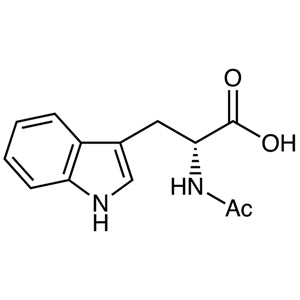
N-Acetyl-D-tryptophan TCI A0119
Regular price From Rp 769.650,00Regular price -
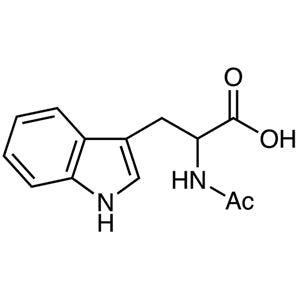
N-Acetyl-DL-tryptophan TCI A0120
Regular price From Rp 637.350,00Regular price -
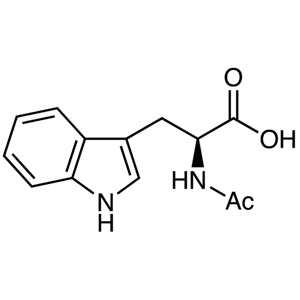
N-Acetyl-L-tryptophan TCI A0121
Regular price From Rp 477.750,00Regular price