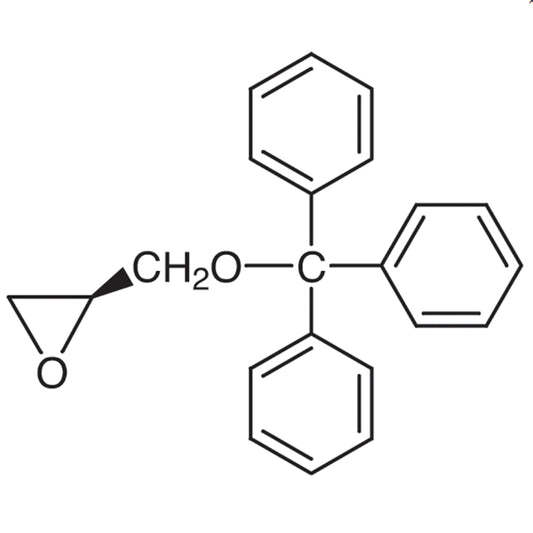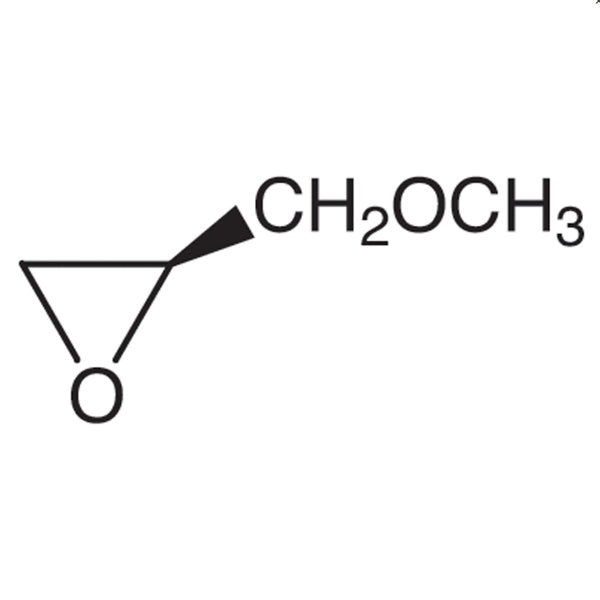
(S)-Glycidyl Methyl Ether is a chiral building block widely used in asymmetric synthesis to construct molecules with optical activity. This compound plays a crucial role in organic chemistry laboratories where precise control over stereochemistry is essential. Its application spans various research fields, including pharmaceutical and biochemical studies, where the creation of optically active compounds is necessary. Due to its structural chirality, it is an important tool for chemists aiming to develop new drugs and bioactive molecules.
The compound is valued for its excellent solubility in organic solvents and its stable chemical properties under controlled conditions. These characteristics make it a preferred choice for high-precision chemical reactions that require strict stereochemical control. Its ability to participate in diverse synthetic pathways further enhances its utility in laboratory settings. The ease of handling and processing also contributes to its popularity among researchers working on complex organic syntheses.
In Indonesian laboratories, (S)-Glycidyl Methyl Ether is commonly used in organic chemistry research, particularly in pharmaceutical and biochemical applications. It is a key component in projects focused on drug development and the synthesis of bioactive compounds. Its role in asymmetric synthesis makes it an essential reagent for scientists aiming to produce enantiomerically pure compounds with specific biological activities.
- Asymmetric Synthesis: This compound is ideal for creating enantiomerically pure compounds due to its chiral structure, enabling precise stereochemical control in complex reactions.
- Pharmaceutical Research: It supports the development of new drugs by facilitating the synthesis of optically active molecules with specific biological activities.
- Biochemical Studies: Its use in organic synthesis allows researchers to explore the properties of bioactive compounds in biochemical contexts.
- Organic Chemistry Education: It serves as a valuable teaching tool for students learning about chiral compounds and asymmetric reactions.
- Drug Development Projects: It is frequently used in research aimed at synthesizing compounds with therapeutic potential and specific pharmacological profiles.
| Brand | TCI |
|---|---|
| CAS number | 64491-68-5 |
| Molecular formula | — |
| Purity | — |
| Category | Chemistry > Asymmetric Synthesis > Chiral Building Blocks |
| Pack sizes | Available in various quantities as per standard laboratory supply |
| Physical form | Liquid |
| Storage | Store in a cool, dry place away from light and incompatible materials |
(S)-Glycidyl Methyl Ether should be stored in a cool, dry environment, away from direct sunlight and sources of heat. It is recommended to keep it in a tightly sealed container to prevent evaporation and contamination. The compound should be stored in a well-ventilated area to minimize exposure to vapors. It is important to handle the material with appropriate personal protective equipment, such as gloves and safety goggles, to ensure laboratory safety. Avoid contact with incompatible substances, and ensure proper disposal methods are followed in accordance with local regulations. Always follow standard laboratory safety procedures when working with this compound to maintain a safe and controlled environment.
—
Produk Terkait
-
Benzyl(S)-(+)-GlycidylEther TCI B2239
Regular price From Rp 530.250,00Regular price -
Benzyl(R)-(-)-GlycidylEther TCI B2238
Regular price From Rp 530.250,00Regular price -
(S)-GlycidylPhenylEther TCI G0410
Regular price From Rp 1.140.300,00Regular price -
(R)-GlycidylPhenylEther TCI G0409
Regular price Rp 5.194.350,00Regular price -
(S)-GlycidylTritylEther TCI G0285
Regular price From Rp 1.829.100,00Regular price -
(R)-GlycidylTritylEther TCI G0284
Regular price From Rp 1.140.300,00Regular price -
(R)-GlycidylMethylEther TCI G0280
Regular price From Rp 2.969.400,00Regular price -
(2S)-(+)-Glycidylp-Toluenesulfonate TCI T1612
Regular price From Rp 1.220.100,00Regular price