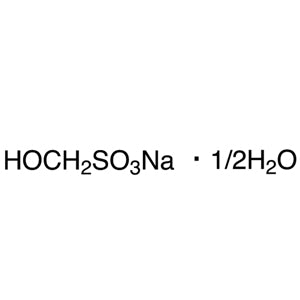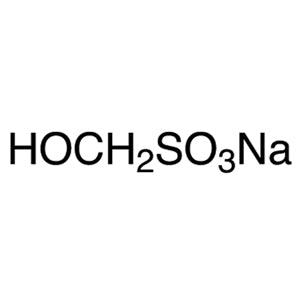
Formaldehyde Sodium Bisulfite (TCI H0260, CAS 870-72-4) is a chemical compound widely used in laboratory settings for its versatile reactivity and utility in organic synthesis. This compound plays a crucial role in various chemical reactions, particularly in reduction processes and the formation of compounds containing hydroxyl or carbonyl groups. It is a fundamental building block in the development of intermediate compounds, which are essential for the production of pharmaceuticals, industrial chemicals, and other specialized materials. Its presence in laboratory workflows supports both research and development activities across multiple scientific disciplines.
The chemical properties of Formaldehyde Sodium Bisulfite make it a preferred choice for laboratory applications. It exhibits reactivity under specific conditions, making it suitable for reactions that require reduction or structural modification. Its stability in controlled environments allows for consistent performance in experiments, while its ability to interact with a wide range of reagents enhances its applicability. These characteristics ensure that it remains a reliable and effective reagent for chemists working in both academic and industrial research settings.
In Indonesian laboratories, Formaldehyde Sodium Bisulfite is commonly used by researchers and educational institutions for both pure and applied chemical research. Its availability in high-quality standards ensures the reliability of experimental results and the safety of laboratory operations. The compound is an essential tool for advancing chemical knowledge and supporting the development of new materials and compounds.
Related TCI products
- Organic synthesis for the reduction of carbonyl groups in compound development.
- Preparation of hydroxyl-containing intermediates for pharmaceutical and industrial applications.
- Catalytic reactions requiring reductive conditions in chemical process optimization.
- Structural modification of organic molecules in research and development projects.
- Support for analytical chemistry experiments involving reagent stability and reactivity testing.
| Brand | TCI |
|---|---|
| CAS number | 870-72-4 |
| Molecular formula | — |
| Purity | — |
| Category | Chemistry > Building Blocks > Non-Heterocyclic Building Blocks |
| Pack sizes | As available from supplier |
| Physical form | Solid |
| Storage | Store in a cool, dry place away from moisture and direct sunlight |
Formaldehyde Sodium Bisulfite should be stored in a cool, dry environment to maintain its stability and reactivity. It is recommended to keep the compound in airtight containers to prevent moisture absorption, which can affect its chemical integrity. Laboratory personnel should handle the material with appropriate personal protective equipment, including gloves and safety goggles, to minimize exposure. Due to its reactivity, it should be stored separately from strong oxidizing agents. Regular inspection of storage conditions is essential to ensure the compound remains suitable for use in experimental procedures. Proper labeling and adherence to safety protocols are critical for maintaining a safe and efficient laboratory environment.
—
Produk Terkait
-
FormaldehydeSodiumBisulfiteHemihydrate TCI S0880
Regular price From Rp 1.167.600,00Regular price -
SuccinaldehydeDisodiumBisulfite TCI S0216
Regular price From Rp 955.500,00Regular price -
GlyoxalSodiumBisulfiteHydrate(containsoligomers) TCI G0154
Regular price Rp 477.750,00Regular price -
FormaldehydeDimethylhydrazone TCI F0713
Regular price From Rp 2.306.850,00Regular price -
Formaldehyde2,4-Dinitrophenylhydrazone TCI F0323
Regular price From Rp 1.326.150,00Regular price