

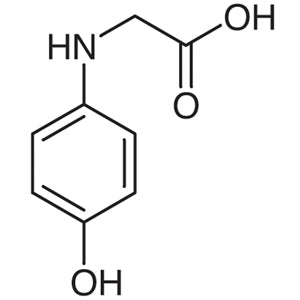
N-(4-Hydroxyphenyl)glycine is a chemical compound widely used in laboratory settings for its versatility in chemical and biochemical applications. It plays a crucial role in peptide chemistry and the synthesis of various bioactive compounds. This compound is valued for its ability to participate in multiple chemical reactions, making it a key reagent in the development of new pharmaceutical and biochemical products. Its utility spans across different research fields, from organic chemistry to biotechnology.
The compound’s stability and reactivity make it a preferred choice for researchers. Its molecular structure includes a phenolic group, which contributes to its reactivity and ability to form bonds with other molecules. This property is essential for applications requiring molecular interactions, such as conjugation reactions or the synthesis of complex organic molecules. Additionally, its solubility in organic solvents facilitates its use in various analytical and synthetic procedures.
In Indonesian laboratories, N-(4-Hydroxyphenyl)glycine is commonly used in pharmacological and biochemical research. Scientists rely on this compound to develop new therapeutic agents and to study the mechanisms of biological activity. Its presence in research projects underscores its importance in advancing scientific knowledge and innovation in the field of chemistry.
- Peptide Synthesis: This compound is essential for creating peptide-based molecules due to its structural compatibility with amino acid sequences.
- Bioactive Compound Development: It serves as a building block for synthesizing compounds with specific biological activities, such as enzyme inhibitors or receptor modulators.
- Organic Chemistry Research: Its reactivity and solubility make it ideal for various organic reactions, including coupling and functional group transformations.
- Analytical Chemistry: It is used in chromatographic and spectroscopic analyses due to its distinct chemical properties and solubility characteristics.
- Pharmaceutical Research: It supports the development of new drugs by acting as a precursor in the synthesis of bioactive pharmaceuticals.
| Brand | TCI |
|---|---|
| CAS number | 122-87-2 |
| Molecular formula | — |
| Purity | — |
| Category | Chemistry > Chemical Biology > Peptide Chemistry |
| Pack sizes | Available in various quantities as per supplier specifications |
| Physical form | Solid |
| Storage | Store in a cool, dry place away from light and moisture |
N-(4-Hydroxyphenyl)glycine should be stored in a cool, dry environment to maintain its chemical stability. It is recommended to keep the compound in a tightly sealed container to prevent exposure to moisture and air. Due to its reactivity, it should be handled in a well-ventilated laboratory setting. Avoid direct contact with skin and eyes, and use appropriate personal protective equipment when handling. The compound is generally stable under normal laboratory conditions but should be protected from prolonged exposure to heat or light. Proper storage ensures its effectiveness and safety in research applications.
—
Product Categories
- Chemical BiologyPeptide ChemistryAmino Acid Derivatives [Peptide Chemistry]
- Chemical BiologyPeptide ChemistryUnnatural Amino Acid Derivatives
- Pharmaceutical Development and Drug Discovery Research ReagentsPeptide ChemistryAmino Acid Derivatives [Peptide Chemistry]
- Pharmaceutical Development and Drug Discovery Research ReagentsPeptide ChemistryUnnatural Amino Acid Derivatives
Produk Terkait
-
DL-2-(4-Hydroxyphenyl)glycine TCI H1853
Regular price Rp 1.167.600,00Regular price -
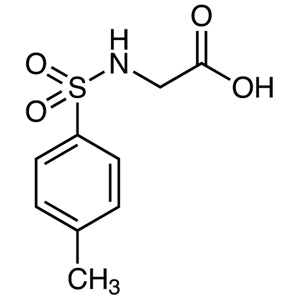
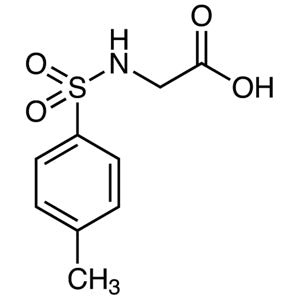
N-(p-Toluenesulfonyl)glycine TCI T2803
Regular price From Rp 1.538.250,00Regular price -
N-(o-Toluoyl)glycine TCI T0719
Regular price From Rp 2.677.500,00Regular price -
N-(p-Toluoyl)glycine TCI T0313
Regular price From Rp 1.538.250,00Regular price -
N-(m-Toluoyl)glycine TCI T0312
Regular price From Rp 1.273.650,00Regular price -
Phenylthiohydantoin-glycine TCI P0376
Regular price Rp 1.115.100,00Regular price -
GlycineAnhydride TCI G0100
Regular price From Rp 1.458.450,00Regular price -
N-[(9H-Fluoren-9-ylmethoxy)carbonyl]glycine TCI F0293
Regular price From Rp 584.850,00Regular price



![N-[(9H-Fluoren-9-ylmethoxy)carbonyl]glycine (CAS 29022-11-5) - TCI F0293 - AMI Scientific](http://amiscientific.com/cdn/shop/files/TCI2510F0293.jpg?v=1768205330&width=533)
![N-[(9H-Fluoren-9-ylmethoxy)carbonyl]glycine (CAS 29022-11-5) - TCI F0293 - AMI Scientific](http://amiscientific.com/cdn/shop/files/TCI2510F0293_04c965c5-0333-4986-9d9a-0a4a1c61510b.jpg?v=1769056002&width=533)