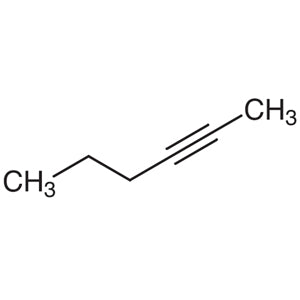
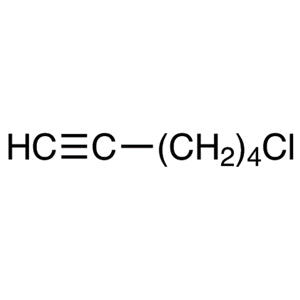
3-Hexyne, with CAS number 928-49-4, is a chemical compound belonging to the alkynes class. It features a carbon-carbon triple bond with three carbon atoms at each end, making it a versatile building block in organic chemistry. In the laboratory, 3-Hexyne is widely used as a starting material for the synthesis of more complex molecules. Its structural simplicity allows chemists to modify it through various reactions to create a wide range of functional groups and molecular architectures. This compound is particularly valuable in research settings where precise control over molecular structure is essential.
The chemical properties of 3-Hexyne make it a preferred choice for high-reactivity applications. It exhibits reactivity in reactions such as hydration, hydrohalogenation, and reactions with alkali metals, enabling the formation of diverse derivatives. Its stability under certain conditions ensures safe handling during storage and preparation, while its reactivity allows for efficient synthetic pathways. These characteristics make it an ideal candidate for experiments requiring both reliability and versatility.
In Indonesian laboratories, 3-Hexyne is commonly used in organic chemistry research, especially in the development of new compounds and complex molecular structures. Its role in synthetic chemistry is critical for advancing chemical research and innovation. Researchers rely on its predictable behavior and reactivity to design and execute experiments with high precision and efficiency. This compound is a fundamental tool in the pursuit of scientific discovery and technological advancement.
- Organic synthesis is a key application where 3-Hexyne is used to build complex molecules through various chemical reactions.
- Polymer chemistry benefits from 3-Hexyne as it can be incorporated into polymer chains to modify material properties.
- Catalytic reactions often utilize 3-Hexyne due to its reactivity and ability to participate in multiple reaction pathways.
- Analytical chemistry uses 3-Hexyne as a standard for calibration and identification in spectroscopic techniques.
- Medicinal chemistry research employs 3-Hexyne to develop new pharmaceutical compounds with targeted biological activities.
| Brand | TCI |
|---|---|
| CAS number | 928-49-4 |
| Molecular formula | — |
| Purity | — |
| Category | Chemistry > Building Blocks > Non-Heterocyclic Building Blocks |
| Pack sizes | Available in various quantities as per standard laboratory supply |
| Physical form | Liquid |
| Storage | Store in a cool, dry place away from light and incompatible materials |
3-Hexyne should be stored in a cool, dry environment, away from direct sunlight and sources of heat. It is recommended to use sealed containers made of materials compatible with organic solvents to prevent evaporation and contamination. Due to its reactivity, it should be kept away from strong oxidizing agents and incompatible substances. Proper ventilation is essential when handling this compound to minimize exposure. Laboratory personnel should wear appropriate personal protective equipment, including gloves and safety goggles, to ensure safe handling. Regular monitoring of storage conditions is advised to maintain the integrity and safety of the compound.
—
Produk Terkait
-
1-Phenyl-1-hexyne TCI P0360
Regular price Rp 2.439.150,00Regular priceRp 1.705.200,00Sale price Rp 2.439.150,00 -
5-Methyl-1-hexyne TCI M0271
Regular price Rp 1.008.000,00Regular priceRp 704.550,00Sale price Rp 1.008.000,00 -
2-Hexyne TCI H0429
Regular price From Rp 637.350,00Regular priceRp 445.200,00Sale price From Rp 637.350,00 -
1-Hexyne TCI H0140
Regular price From Rp 1.590.750,00Regular priceRp 1.111.950,00Sale price From Rp 1.590.750,00 -
2,5-Dimethyl-3-hexyne-2,5-diol TCI D0738
Regular price From Rp 689.850,00Regular priceRp 497.700,00Sale price From Rp 689.850,00 -
6-Chloro-1-hexyne TCI C1493
Regular price Rp 1.298.850,00Regular priceRp 908.250,00Sale price Rp 1.298.850,00 -
1,3,5-Triethynylbenzene TCI T2760
Regular price From Rp 3.578.400,00Regular priceRp 2.502.150,00Sale price From Rp 3.578.400,00 -
1-Butyl-4-ethynylbenzene TCI B2301
Regular price From Rp 980.700,00Regular priceRp 685.650,00Sale price From Rp 980.700,00