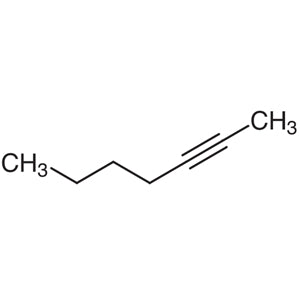
2-Heptyne is an organic compound classified as an alkyne, featuring a molecular structure composed of seven carbon atoms with a double bond between the second and third carbon atoms. This compound plays a crucial role in laboratory settings, particularly in organic chemistry, where it serves as a fundamental building block for the synthesis of more complex molecules. Its versatility allows it to participate in various chemical reactions, including addition, substitution, and catalytic processes, making it an essential tool for researchers and chemists.
The chemical properties of 2-Heptyne, such as its non-polar nature and volatility, make it a preferred choice for specific experimental conditions. It is chemically stable under controlled environments, which ensures consistent performance in laboratory applications. Additionally, its low reactivity in certain conditions allows for precise control during synthesis, contributing to its widespread use. The compound's volatility also means it requires careful handling to prevent evaporation and maintain experimental accuracy.
In Indonesian laboratories, 2-Heptyne is commonly used in research and development projects focused on organic synthesis. Its availability through reliable suppliers like AMI Scientific ensures that scientists can access this essential compound for their experiments. The compound's properties align well with the needs of modern chemical research, supporting both academic and industrial applications in the region.
- Organic synthesis is a primary application for 2-Heptyne, as it serves as a versatile building block for creating complex organic compounds through various reaction mechanisms.
- Catalytic reactions benefit from 2-Heptyne due to its ability to participate in and enhance reaction pathways under controlled conditions.
- Analytical chemistry laboratories utilize 2-Heptyne for calibration and as a reference standard in gas chromatography and mass spectrometry analyses.
- Polymer science research employs 2-Heptyne in the development of new materials and polymers due to its reactivity and structural versatility.
- Industrial chemical processes incorporate 2-Heptyne as a precursor in the production of specialty chemicals and pharmaceutical intermediates.
| Brand | TCI |
|---|---|
| CAS number | 1119-65-9 |
| Molecular formula | — |
| Purity | — |
| Category | Chemistry > Building Blocks > Non-Heterocyclic Building Blocks |
| Pack sizes | Available in various quantities as per supplier specifications |
| Physical form | Liquid |
| Storage | Store in a cool, dark place away from heat and direct sunlight |
2-Heptyne should be stored in a cool, dark environment to maintain its chemical stability and prevent degradation. It is recommended to keep the compound in a tightly sealed container made of inert materials such as glass or stainless steel to minimize exposure to air and moisture. Due to its volatility, proper ventilation is essential when handling the substance. Laboratory personnel should wear appropriate personal protective equipment, including gloves and safety goggles, to ensure safe handling. Avoid contact with open flames or sources of ignition, as 2-Heptyne is flammable. Regular monitoring of storage conditions is advised to ensure the compound remains in optimal condition for use in experiments.
—
Produk Terkait
-
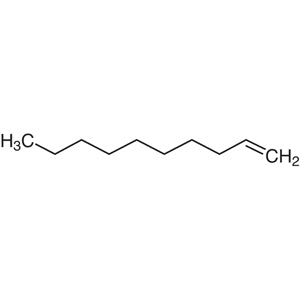
1-Decene TCI D0028
Regular price From Rp 505.050,00Regular price -
1-Decyne TCI D0037
Regular price From Rp 875.700,00Regular price -
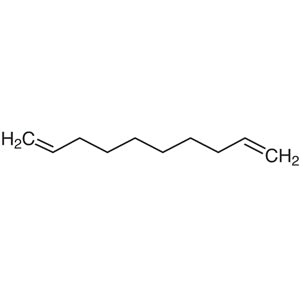
1,9-Decadiene TCI D0245
Regular price From Rp 1.378.650,00Regular price -
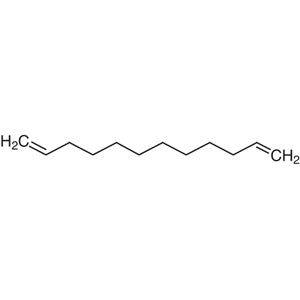
1,11-Dodecadiene TCI D0283
Regular price From Rp 3.949.050,00Regular price -
2,3-Dimethyl-2-butene TCI D0693
Regular price From Rp 1.829.100,00Regular price -
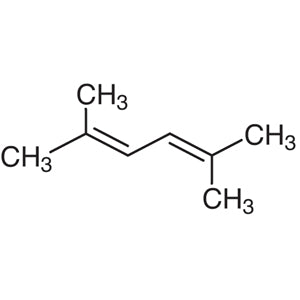
2,5-Dimethyl-2,4-hexadiene(stabilizedwithBHT) TCI D0735
Regular price From Rp 903.000,00Regular price -
1-Dodecene TCI D0974
Regular price From Rp 505.050,00Regular price -
1-Dodecyne TCI D0997
Regular price From Rp 1.008.000,00Regular price