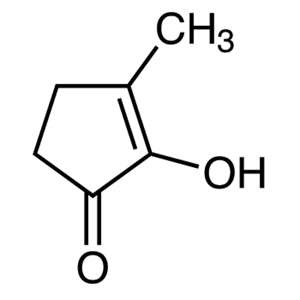
2-Hydroxy-3-methyl-2-cyclopentenone is a versatile organic compound widely used in laboratory settings for its reactivity and structural complexity. As a building block in organic synthesis, it plays a crucial role in the development of new compounds, particularly in pharmaceutical and chemical research. Its unique molecular structure, featuring a cyclopentene ring with hydroxyl and methyl groups, allows it to participate in a variety of chemical reactions, making it an essential tool for synthetic chemists. This compound is often used as a starting material for the synthesis of more complex molecules, contributing to the advancement of scientific research.
The compound’s chemical and physical properties make it a preferred choice in laboratory applications. It exhibits high reactivity due to the presence of the conjugated double bond and the hydroxyl group, enabling it to undergo reactions such as Diels-Alder, substitution, and oxidation. Its relatively high boiling and melting points facilitate isolation and purification processes, ensuring consistency in experimental results. These characteristics, combined with its stability under controlled conditions, make it a reliable and effective reagent for researchers.
In Indonesian laboratories, 2-Hydroxy-3-methyl-2-cyclopentenone is commonly used by chemists and pharmacologists working on drug development and organic synthesis projects. Its availability and chemical properties support a wide range of experimental needs, making it a valuable resource for both academic and industrial research. The compound’s role in creating bioactive compounds further enhances its importance in the scientific community.
Related TCI products
- TCI M2904 765-70-8 3-Methyl-1,2-cyclopentanedione
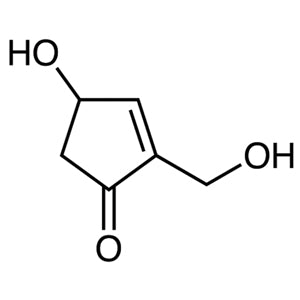
- TCI H1723 76374-26-0 4-Hydroxy-2-(hydroxymethyl)-2-cyclopenten-1-one
- TCI M0956 2758-18-1 3-Methyl-2-cyclopentenone
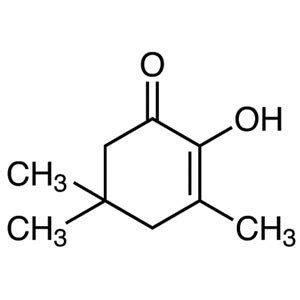
- TCI T2723 4883-60-7 2-Hydroxy-3,5,5-trimethyl-2-cyclohexen-1-one
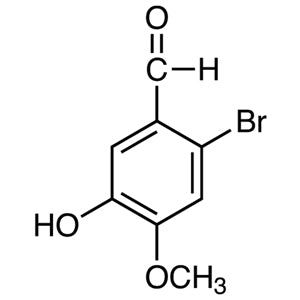
- TCI B4681 2973-59-3 2-Bromo-5-hydroxy-4-methoxybenzaldehyde
- TCI B3229 2208-15-3 4-Bromo-3-hydroxy-2-naphthoic Acid
- Organic synthesis is a key application where this compound serves as a versatile building block for creating complex molecules.
- Pharmaceutical research benefits from its use in the development of bioactive compounds due to its reactivity and structural versatility.
- Analytical chemistry laboratories use it as a standard reference material for testing and calibration purposes.
- Polymer chemistry applications leverage its reactivity for the synthesis of functional polymers with specific properties.
- Environmental chemistry studies employ it to investigate the behavior of reactive organic compounds in different conditions.
| Brand | TCI |
|---|---|
| CAS number | 80-71-7 |
| Molecular formula | — |
| Purity | — |
| Category | Chemistry > Building Blocks > Non-Heterocyclic Building Blocks |
| Pack sizes | Available in various quantities as per supplier specifications |
| Physical form | Liquid |
| Storage | Store in a cool, dry place away from light and incompatible materials |
This compound should be stored in a cool, dry environment, away from direct sunlight and sources of heat. It is recommended to use airtight containers made of glass or inert plastic to prevent contamination and degradation. Due to its reactivity, it should be handled with care, using appropriate personal protective equipment such as gloves and safety goggles. Avoid exposure to strong oxidizing agents or incompatible substances. Ensure proper ventilation in the laboratory to minimize inhalation risks. Regular monitoring of storage conditions is essential to maintain the compound's integrity and ensure safe handling in laboratory settings.
—
Produk Terkait
-
3-Methyl-1,2-cyclopentanedione TCI M2904
Regular price Rp 2.016.000,00Regular price -
4-Hydroxy-2-(hydroxymethyl)-2-cyclopenten-1-one TCI H1723
Regular price Rp 1.936.200,00Regular price -
3-Methyl-2-cyclopentenone TCI M0956
Regular price From Rp 3.419.850,00Regular price -
2-Hydroxy-3,5,5-trimethyl-2-cyclohexen-1-one TCI T2723
Regular price Rp 1.273.650,00Regular price -
2-Bromo-5-hydroxy-4-methoxybenzaldehyde TCI B4681
Regular price Rp 4.293.450,00Regular price -
4-Bromo-3-hydroxy-2-naphthoicAcid TCI B3229
Regular price From Rp 2.174.550,00Regular price -
7-Bromo-3-hydroxy-2-naphthoicAcid TCI B3180
Regular price From Rp 769.650,00Regular price -
2-Hydroxy-6-methylbenzoicAcid TCI M3737
Regular price From Rp 2.332.050,00Regular price