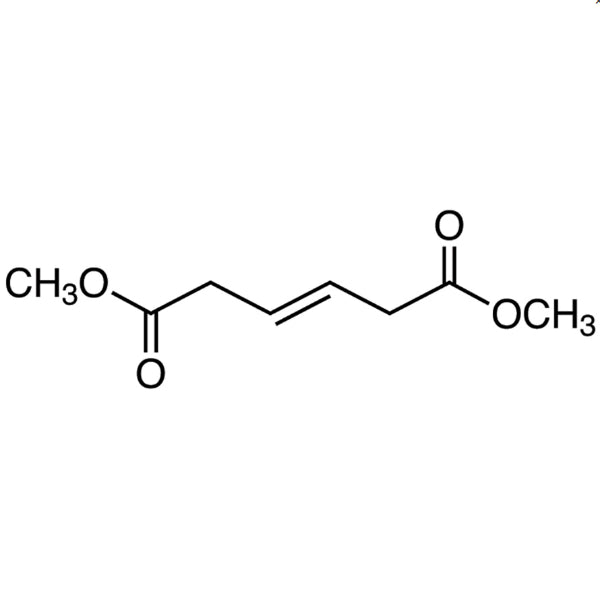
TCI H0776 25126-93-6 Dimethyl trans-3-Hexenedioate is a chemical compound widely used in organic synthesis as a building block in laboratory settings. This compound plays a crucial role in the development of complex molecules by enabling various chemical reactions such as addition, substitution, and cross-reactions. Its unique molecular structure makes it a versatile reagent for chemists aiming to create new compounds or modify existing ones. In research and development environments, it serves as an essential tool for advancing chemical innovation and pharmaceutical studies.
The compound is valued for its chemical stability under controlled conditions, although it remains sensitive to temperature and humidity. Its open molecular structure allows it to react readily with a variety of reagents, making it ideal for applications requiring high reactivity. This reactivity, combined with its chemical versatility, positions it as a preferred choice for synthetic chemists. Its availability in multiple packaging formats also enhances its usability across different experimental scales and laboratory needs.
In Indonesian laboratories, this compound is integral to chemical and pharmaceutical research. It is frequently used in experiments related to the synthesis of new compounds, drug development, and molecular structure analysis. Its presence in local markets supports academic and industrial research, contributing to the advancement of scientific knowledge and innovation in the region.
Related TCI products
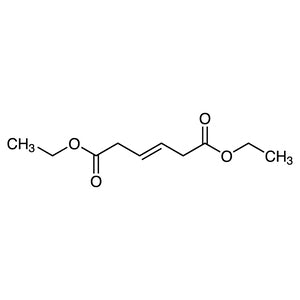
- TCI B1592 57042-08-7 Diethyl trans-3-Hexenedioate
- TCI D4073 116631-94-8 Dimethyl trans-2,3-Dibromobutenedioate
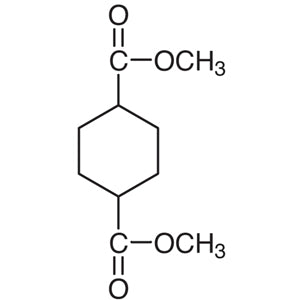
- TCI D3723 3399-22-2 Dimethyl trans-1,4-Cyclohexanedicarboxylate
- TCI D3692 17673-68-6 Dimethyl trans-4-Cyclohexene-1,2-dicarboxylate
- TCI C1154 94-60-0 Dimethyl 1,4-Cyclohexanedicarboxylate (cis- and trans- mixture)
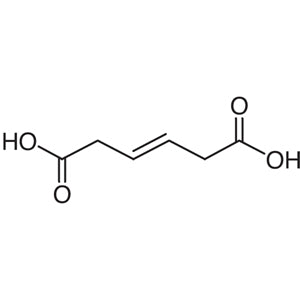
- TCI H0477 4436-74-2 trans-3-Hexenedioic Acid
- Organic synthesis is a key application where this compound is used to build complex molecules through various reaction mechanisms.
- Pharmaceutical research benefits from its reactivity, allowing the development of new drug compounds and molecular structures.
- Molecular structure studies utilize its unique chemical properties to analyze and modify organic compounds effectively.
- Chemical innovation projects rely on its versatility to explore new synthetic pathways and reaction conditions.
- Academic research in Indonesian universities often incorporates it for teaching and experimental purposes in chemistry courses.
| Brand | TCI |
|---|---|
| CAS number | 25126-93-6 |
| Molecular formula | — |
| Purity | — |
| Category | Chemistry > Building Blocks > Non-Heterocyclic Building Blocks |
| Pack sizes | Available in various packaging formats for different experimental needs |
| Physical form | — |
| Storage | Store in a cool, dry place away from moisture and direct sunlight |
This compound should be stored in a cool, dry environment to maintain its chemical stability. It is recommended to keep it in airtight containers to prevent exposure to moisture and humidity, which can affect its reactivity. Laboratory personnel should handle it with care, using appropriate personal protective equipment to ensure safety. The compound is sensitive to temperature changes, so it should be kept away from heat sources. Regular monitoring of storage conditions is essential to preserve its integrity and effectiveness in chemical reactions. Proper labeling and storage practices help maintain a safe and efficient laboratory environment.
—
Produk Terkait
-
Diethyltrans-3-Hexenedioate TCI B1592
Regular price Rp 5.062.050,00Regular price -
Dimethyltrans-2,3-Dibromobutenedioate TCI D4073
Regular price Rp 7.605.150,00Regular price -
Dimethyltrans-1,4-Cyclohexanedicarboxylate TCI D3723
Regular price From Rp 1.008.000,00Regular price -
Dimethyltrans-4-Cyclohexene-1,2-dicarboxylate TCI D3692
Regular price From Rp 1.565.550,00Regular price -
Dimethyl1,4-Cyclohexanedicarboxylate(cis-andtrans-mixture) TCI C1154
Regular price From Rp 717.150,00Regular price -
trans-3-HexenedioicAcid TCI H0477
Regular price From Rp 2.386.650,00Regular price -
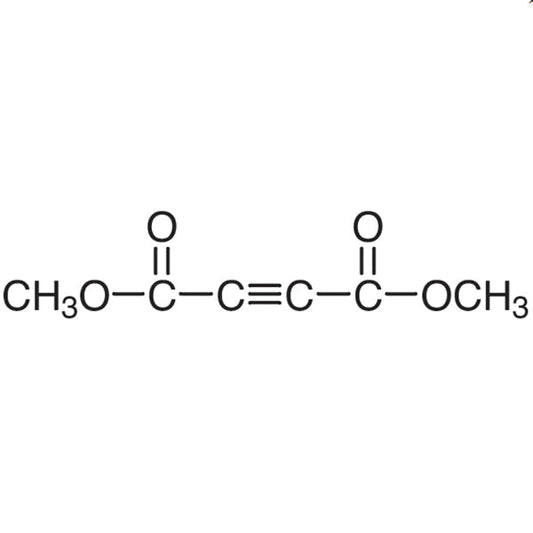
DimethylAcetylenedicarboxylate TCI A0090
Regular price From Rp 2.041.200,00Regular price -
Dimethyl1,3-Acetonedicarboxylate TCI A0056
Regular price From Rp 1.298.850,00Regular price