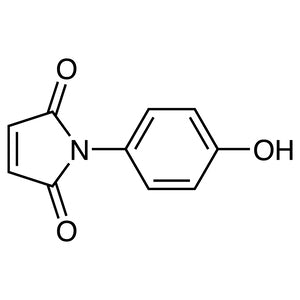
1-(4-Hydroxyphenyl)-1H-pyrrole-2,5-dione is a chemical compound widely used as a building block in the synthesis of complex organic molecules. This compound plays a crucial role in laboratory settings, where it serves as a versatile intermediate in various chemical reactions. Its heterocyclic structure, containing both nitrogen and oxygen atoms, allows for a wide range of chemical transformations, making it an essential tool for synthetic chemists. Due to its reactivity and structural versatility, it is frequently employed in the development of pharmaceuticals, polymers, and aromatic compounds.
The compound's chemical properties make it a preferred choice for researchers. It exhibits stability under controlled conditions, although it is sensitive to high temperatures and prolonged exposure to light. Its ability to participate in substitution and cyclization reactions ensures its effectiveness in creating more complex molecular structures. Additionally, its availability in solid form enhances its usability in laboratory experiments, allowing for precise handling and measurement. These characteristics make it an ideal material for those seeking reliable and efficient chemical intermediates.
In Indonesian laboratories, this compound is extensively used in organic chemistry research. It is commonly found in academic institutions and research centers, where it supports the development of new compounds and materials. Its role in synthetic pathways is vital for advancing chemical knowledge and innovation. The compound's reliability and adaptability ensure its continued use in various experimental contexts, contributing to the growth of scientific research in Indonesia.
Related TCI products
- TCI M3573 1631-28-3 1-(p-Tolyl)-1H-pyrrole-2,5-dione
- TCI M3555 1081-17-0 1-(4-Methoxyphenyl)-1H-pyrrole-2,5-dione
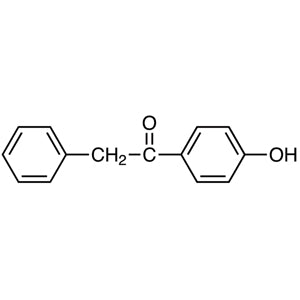
- TCI B4722 2491-32-9 Benzyl 4-Hydroxyphenyl Ketone
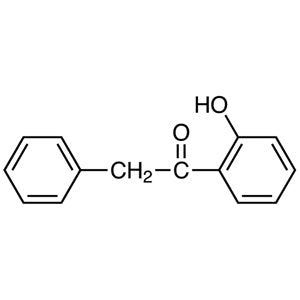
- TCI B4673 2491-31-8 Benzyl 2-Hydroxyphenyl Ketone
- TCI A2960 42059-48-3 4-Acetyl-3-hydroxyphenyl Acetate
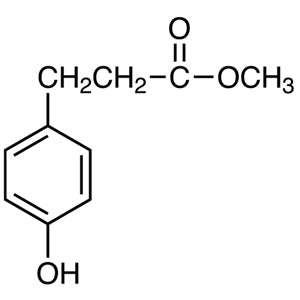
- TCI M2196 5597-50-2 Methyl 3-(4-Hydroxyphenyl)propionate
- Organic synthesis applications benefit from this compound's reactivity and structural versatility, enabling the creation of complex molecules in pharmaceutical and polymer research.
- It is ideal for drug development projects due to its ability to participate in substitution and cyclization reactions, supporting the synthesis of bioactive compounds.
- In polymer science, the compound's aromatic structure contributes to the formation of stable and functional materials, enhancing material properties.
- It is used in the synthesis of aromatic derivatives, providing a reliable starting point for the development of new chemical compounds.
- Academic and research institutions rely on this compound for teaching and experimental purposes, supporting both undergraduate and advanced research projects.
| Brand | TCI |
|---|---|
| CAS number | 7300-91-6 |
| Molecular formula | — |
| Purity | — |
| Category | Chemistry > Building Blocks > Non-Heterocyclic Building Blocks |
| Pack sizes | Available in various quantities as per supplier specifications |
| Physical form | Solid |
| Storage | Store in a cool, dark place away from heat and light |
This compound should be stored in a cool, dark environment to maintain its chemical stability and prevent degradation. It is recommended to use airtight containers to protect it from moisture and light exposure. Due to its sensitivity to high temperatures, it should be kept away from heat sources and direct sunlight. In laboratory settings, proper ventilation is essential to ensure safe handling. Researchers should wear appropriate personal protective equipment, such as gloves and safety goggles, when working with this compound. Regular monitoring of storage conditions is advised to maintain its integrity and effectiveness for use in chemical synthesis.
—
Produk Terkait
-
1-(p-Tolyl)-1H-pyrrole-2,5-dione TCI M3573
Regular price From Rp 2.386.650,00Regular price -
1-(4-Methoxyphenyl)-1H-pyrrole-2,5-dione TCI M3555
Regular price Rp 2.386.650,00Regular price -
Benzyl4-HydroxyphenylKetone TCI B4722
Regular price From Rp 1.035.300,00Regular price -
Benzyl2-HydroxyphenylKetone TCI B4673
Regular price From Rp 2.094.750,00Regular price -
4-Acetyl-3-hydroxyphenylAcetate TCI A2960
Regular price From Rp 1.696.800,00Regular price -
Methyl3-(4-Hydroxyphenyl)propionate TCI M2196
Regular price From Rp 1.087.800,00Regular price -
Methyl3-(3,5-Di-tert-butyl-4-hydroxyphenyl)propionate TCI M1810
Regular price From Rp 557.550,00Regular price -
4-HydroxyphenylAcetate TCI H1920
Regular price From Rp 1.378.650,00Regular price