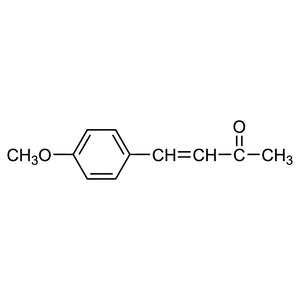
1-(4-Methoxyphenyl)-1H-pyrrole-2,5-dione is a chemical compound widely used in organic synthesis reactions within laboratory settings. This compound belongs to the class of heterocyclic compounds, featuring a pyrrole ring with a methoxyphenyl group attached. Its unique structure makes it a valuable building block for the synthesis of complex molecules. In research laboratories, it serves as a key component in various chemical transformations, including coupling and modification reactions. Its role is crucial in the development of new compounds, especially in pharmaceutical and organic chemistry fields.
The compound is known for its chemical stability under specific conditions, although it is sensitive to moisture and air exposure. Its molecular structure allows for high reactivity, enabling it to participate in a wide range of chemical reactions. This reactivity, combined with its ability to interact with various functional groups, makes it a preferred choice for synthetic chemists. The compound’s versatility in forming new chemical bonds contributes to its popularity in both academic and industrial research environments.
In Indonesian laboratories, 1-(4-Methoxyphenyl)-1H-pyrrole-2,5-dione is commonly used in pharmacological, organic chemistry, and biochemical research. It plays a significant role in drug development, modification of biological compounds, and studies on the biological activity of various substances. Its application is widespread among research institutions and universities, supporting advancements in chemical sciences and related fields.
Related TCI products
- TCI M3573 1631-28-3 1-(p-Tolyl)-1H-pyrrole-2,5-dione
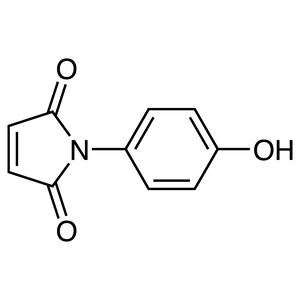
- TCI H1137 7300-91-6 1-(4-Hydroxyphenyl)-1H-pyrrole-2,5-dione
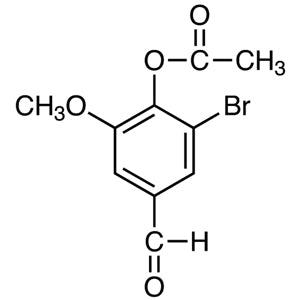
- TCI B5230 308088-29-1 2-Bromo-4-formyl-6-methoxyphenyl Acetate
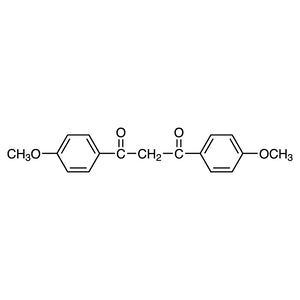
- TCI B1733 18362-51-1 1,3-Bis(4-methoxyphenyl)-1,3-propanedione
- TCI A2946 881-57-2 5-Formyl-2-methoxyphenyl Acetate
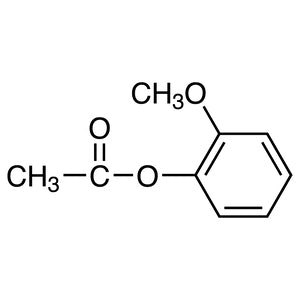
- TCI A1381 613-70-7 2-Methoxyphenyl Acetate
- Organic synthesis is a key application where this compound is used to create complex molecules due to its reactivity and structural versatility.
- Pharmaceutical research benefits from its role in the development of new drugs and bioactive compounds through its ability to form diverse chemical bonds.
- Biochemical studies utilize this compound for modifying biological molecules and investigating their interactions with other functional groups.
- Academic research in chemistry relies on its use as a building block for synthesizing novel compounds with potential applications in medicine and materials science.
- Industrial chemical processes incorporate this compound for the production of specialized chemicals and intermediates in various manufacturing applications.
| Brand | TCI |
|---|---|
| CAS number | 1081-17-0 |
| Molecular formula | — |
| Purity | — |
| Category | Chemistry > Building Blocks > Non-Heterocyclic Building Blocks |
| Pack sizes | — |
| Physical form | — |
| Storage | Store in a dry, cool place away from moisture and air exposure |
This compound should be stored in a dry, cool environment to prevent degradation due to moisture and air exposure. It is recommended to use airtight containers made of glass or inert materials to maintain its stability. Laboratory personnel should handle the compound with care, using appropriate personal protective equipment such as gloves and safety goggles. The compound is sensitive to environmental factors, so it should be kept away from sources of heat and direct light. Proper ventilation is essential when working with this material to ensure safe handling and minimize exposure risks. Regular monitoring of storage conditions is advised to maintain the compound’s integrity and effectiveness in research applications.
—
Produk Terkait
-
1-(p-Tolyl)-1H-pyrrole-2,5-dione TCI M3573
Regular price From Rp 2.386.650,00Regular price -
1-(4-Hydroxyphenyl)-1H-pyrrole-2,5-dione TCI H1137
Regular price From Rp 2.650.200,00Regular price -
2-Bromo-4-formyl-6-methoxyphenylAcetate TCI B5230
Regular price Rp 1.749.300,00Regular price -
1,3-Bis(4-methoxyphenyl)-1,3-propanedione TCI B1733
Regular price From Rp 4.056.150,00Regular price -
5-Formyl-2-methoxyphenylAcetate TCI A2946
Regular price From Rp 2.466.450,00Regular price -
2-MethoxyphenylAcetate TCI A1381
Regular price Rp 4.056.150,00Regular price -
4-(4-Methoxyphenyl)but-3-en-2-one TCI M3899
Regular price From Rp 2.359.350,00Regular price -
3-(4-Methoxyphenyl)propanal TCI M3888
Regular price Rp 3.605.700,00Regular price