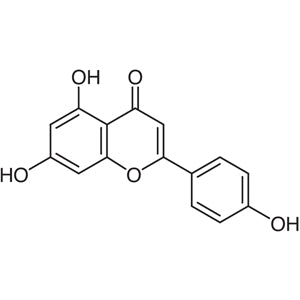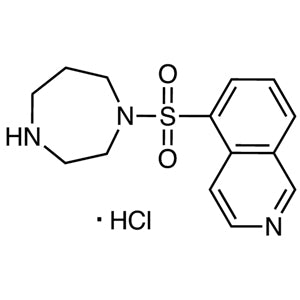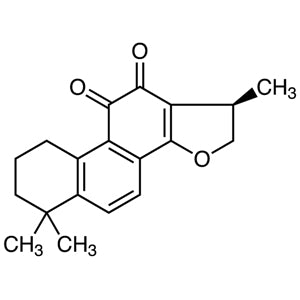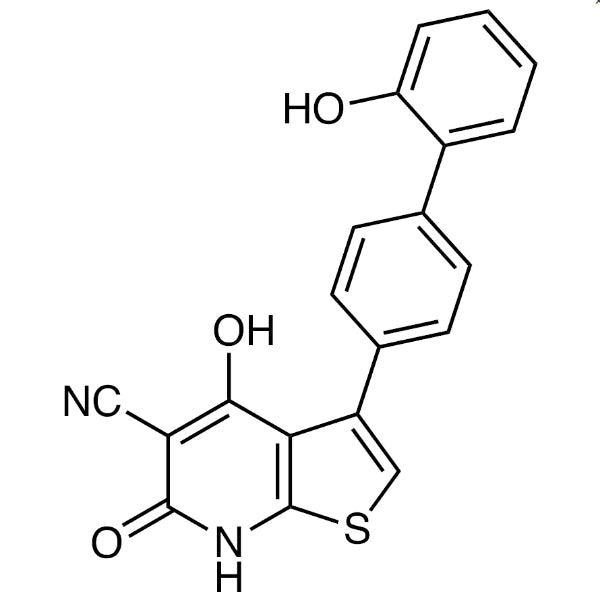
TCI H1552 is a chemical compound widely utilized in cancer research and cell biology within laboratory settings. It plays a crucial role in studying the mechanisms of cancer cell growth and the development of effective therapeutic agents. This compound is essential for understanding the complex pathways involved in tumor progression and cellular responses to various stimuli. Its application extends to experimental testing, where it helps scientists evaluate the impact of growth factors and anti-cancer drugs on cell behavior. TCI H1552 is a key component in advancing research that aims to uncover the underlying causes of cancer and improve treatment strategies.
As a highly specific chemical, TCI H1552 is preferred for its stability and consistency in experimental conditions. It maintains its chemical integrity under a range of laboratory environments, making it reliable for repeated use in research protocols. The compound’s high purity and consistent quality ensure accurate and reproducible results, which are vital for scientific investigations. Its resistance to degradation allows for long-term storage without compromising its effectiveness. These properties make TCI H1552 a trusted choice for researchers seeking precision and reliability in their experiments.
In Indonesian laboratories, TCI H1552 is commonly used by research institutions and universities for cancer and cell biology studies. It supports a wide range of experimental applications, including drug screening and mechanistic studies. Its availability and performance make it a valuable resource for scientists working in the field of oncology and related disciplines. Researchers in Indonesia rely on TCI H1552 to conduct rigorous and meaningful studies that contribute to the broader understanding of cancer biology.
TCI brochures (PDF)
- Thiophenes 2026-06-29 · p. 14
- Cancer Cell Growth Studies: TCI H1552 is used to investigate the proliferation and behavior of cancer cells, helping researchers understand tumor development and response to treatment.
- Drug Efficacy Testing: This compound supports the evaluation of anti-cancer drugs by assessing their impact on cell viability and signaling pathways.
- Signal Transduction Research: TCI H1552 aids in studying the molecular mechanisms that govern cellular communication and response to external stimuli.
- Tumor Microenvironment Analysis: It is employed to examine how cancer cells interact with their surrounding environment and how these interactions influence disease progression.
- Cellular Toxicity Assessment: TCI H1552 assists in determining the effects of various compounds on cell health and survival, which is critical for drug development.
| Brand | TCI |
|---|---|
| CAS number | 844499-71-4 |
| Molecular formula | — |
| Purity | — |
| Category | Life Science > Cell Biology > Cancer Research |
| Pack sizes | — |
| Physical form | — |
| Storage | Store in a cool, dry place away from light |
TCI H1552 should be stored in a cool, dry location, away from direct light to maintain its chemical stability. It is recommended to use airtight containers to prevent contamination and moisture exposure. Since it is a chemical compound, it should be handled with appropriate personal protective equipment, such as gloves and safety goggles, to ensure laboratory safety. Proper labeling of containers is essential for safe handling and to prevent accidental exposure. The compound should not be stored near incompatible materials to avoid potential chemical reactions. Regular monitoring of storage conditions ensures the integrity and effectiveness of the compound for research purposes.
—
Produk Terkait
-
UK-5099 TCI U0146
Regular price Rp 4.823.700,00Regular price -
5-Aminoimidazole-4-carboxamide1-beta-D-Ribofuranoside TCI A2528
Regular price Rp 2.545.200,00Regular price -
Apigenin TCI A1514
Regular price Rp 5.778.150,00Regular price -
QuercetinHydrate TCI P0042
Regular price Rp 1.326.150,00Regular price -
MetforminHydrochloride TCI M2009
Regular price From Rp 1.936.200,00Regular price -
FasudilHydrochloride TCI F0839
Regular price Rp 4.982.250,00Regular price -
Dorsomorphin TCI D5394
Regular price From Rp 3.021.900,00Regular price -
Cryptotanshinone TCI C3363
Regular price From Rp 2.174.550,00Regular price