3-Hydroxyphenyl Benzoate is a chemical compound widely used in organic synthesis reactions within laboratory settings. As a key building block in chemistry, it plays a crucial role in the development of complex molecular structures through substitution or condensation reactions. This compound is particularly valued for its stability and controlled reactivity, making it a reliable choice for researchers aiming to synthesize new compounds with medical or industrial applications. Its presence in both pharmaceutical and chemical industries highlights its versatility and importance in modern laboratory practices.
The compound’s molecular structure consists of a phenol group and a benzoic acid group chemically bonded, contributing to its unique chemical properties. It is non-polar in nature and has limited solubility in organic solvents, which allows for precise control over reaction conditions. These characteristics make it ideal for applications requiring a stable and predictable chemical environment. Additionally, its resistance to degradation under normal conditions ensures long-term storage and consistent performance in laboratory experiments.
In Indonesian laboratories, 3-Hydroxyphenyl Benzoate is commonly used in organic chemistry research, especially in the synthesis of complex molecules. Its role as a building block supports the development of new compounds, contributing to advancements in pharmaceutical and industrial research. Researchers in Indonesia rely on this compound for its reliability and adaptability in various synthetic processes.
Related TCI products
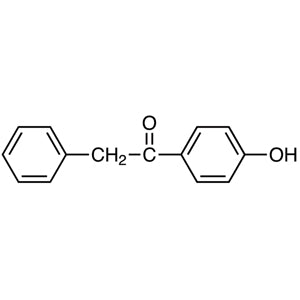
- TCI B4722 2491-32-9 Benzyl 4-Hydroxyphenyl Ketone
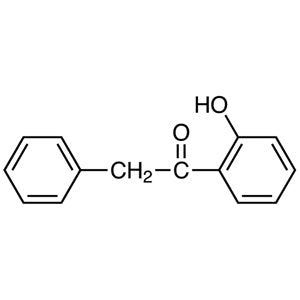
- TCI B4673 2491-31-8 Benzyl 2-Hydroxyphenyl Ketone
- TCI A2960 42059-48-3 4-Acetyl-3-hydroxyphenyl Acetate
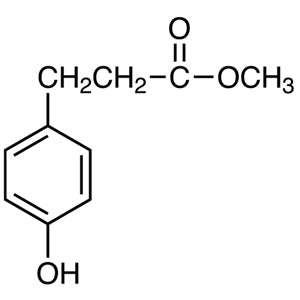
- TCI M2196 5597-50-2 Methyl 3-(4-Hydroxyphenyl)propionate
- TCI M1810 6386-38-5 Methyl 3-(3,5-Di-tert-butyl-4-hydroxyphenyl)propionate
- TCI H1920 3233-32-7 4-Hydroxyphenyl Acetate
- Organic synthesis reactions benefit from 3-Hydroxyphenyl Benzoate due to its stable chemical structure and predictable reactivity, enabling the creation of complex molecular frameworks.
- Pharmaceutical research utilizes this compound as a key intermediate in the development of new drug molecules, leveraging its ability to participate in substitution and condensation reactions.
- Industrial chemical processes incorporate this compound for the production of specialty chemicals, where controlled reactivity and solubility properties are essential.
- Analytical chemistry applications use 3-Hydroxyphenyl Benzoate as a reference standard for identifying and quantifying similar compounds in complex mixtures.
- Environmental studies may employ this compound to investigate its behavior in different solvent systems, aiding in the understanding of chemical interactions in various environments.
| Brand | TCI |
|---|---|
| CAS number | 136-36-7 |
| Molecular formula | — |
| Purity | — |
| Category | Chemistry > Building Blocks > Non-Heterocyclic Building Blocks |
| Pack sizes | Available in various quantities as per standard laboratory supply |
| Physical form | Solid |
| Storage | Store in a cool, dry place away from direct sunlight |
3-Hydroxyphenyl Benzoate should be stored in a cool, dry place, away from direct sunlight and sources of heat. It is recommended to keep the compound in a sealed container to prevent moisture absorption and maintain its chemical integrity. Due to its non-polar nature, it is advisable to use glass or high-density polyethylene containers to ensure compatibility and prevent contamination. In laboratory settings, it is important to handle the compound with appropriate personal protective equipment, such as gloves and safety goggles, to ensure safe handling. Regular monitoring of storage conditions will help maintain the compound’s stability and effectiveness for use in chemical reactions.
—
Produk Terkait
-
Benzyl4-HydroxyphenylKetone TCI B4722
Regular price From Rp 1.035.300,00Regular price -
Benzyl2-HydroxyphenylKetone TCI B4673
Regular price From Rp 2.094.750,00Regular price -
4-Acetyl-3-hydroxyphenylAcetate TCI A2960
Regular price From Rp 1.696.800,00Regular price -
Methyl3-(4-Hydroxyphenyl)propionate TCI M2196
Regular price From Rp 1.087.800,00Regular price -
Methyl3-(3,5-Di-tert-butyl-4-hydroxyphenyl)propionate TCI M1810
Regular price From Rp 557.550,00Regular price -
4-HydroxyphenylAcetate TCI H1920
Regular price From Rp 1.378.650,00Regular price -
3-(3-Hydroxyphenyl)propanoicAcid TCI H1819
Regular price From Rp 875.700,00Regular price -
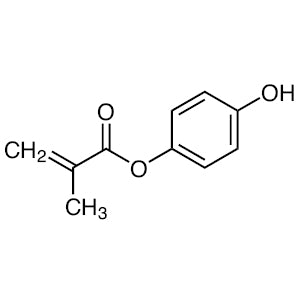
4-HydroxyphenylMethacrylate(stabilizedwithHQ) TCI H1790
Regular price From Rp 1.881.600,00Regular price