4-Hydrazinobenzenesulfonic Acid (4-HBZS) is a chemical compound widely used in various chemical reactions, particularly in the synthesis of heterocyclic compounds and complex organic molecules. As a key building block in chemical research, it plays a crucial role in the development of new compounds, including pharmaceuticals, industrial chemicals, and other synthetic materials. Its unique structure, which combines a hydrazine group with a sulfonic acid group attached to a benzene ring, makes it highly versatile in organic chemistry applications. This compound is essential for researchers aiming to design and synthesize novel compounds with specific functional properties.
The chemical and reactive properties of 4-HBZS make it a preferred choice in organic chemistry research. It is capable of participating in a variety of reactions such as condensation, substitution, and reactions with transition metals. Its high reactivity and functional versatility allow it to be used in multiple synthetic pathways. Additionally, its stability under certain conditions simplifies storage and handling in laboratory settings. These characteristics make it a reliable and effective reagent for both academic and industrial research.
In Indonesian laboratories, 4-HBZS is commonly used in organic chemistry research, especially in higher education institutions and research organizations. It is frequently applied in projects related to the synthesis of new compounds, particularly in the development of pharmaceuticals and specialty chemicals. Its availability and reliability make it a valuable resource for researchers working on complex chemical transformations and molecular design.
Related TCI products
- Organic synthesis of heterocyclic compounds due to its hydrazine and sulfonic acid functional groups.
- Development of pharmaceuticals and industrial chemicals through its reactivity in condensation and substitution reactions.
- Research in transition metal chemistry due to its ability to participate in metal-based reactions.
- Synthesis of complex organic molecules as a key building block in multi-step chemical processes.
- Use in academic research settings for teaching and experimental studies in organic chemistry.
| Brand | TCI |
|---|---|
| CAS number | 98-71-5 |
| Molecular formula | — |
| Purity | — |
| Category | Chemistry > Building Blocks > Non-Heterocyclic Building Blocks |
| Pack sizes | Available in various quantities as per supplier specifications |
| Physical form | Solid (as per standard product description) |
| Storage | Store in a cool, dry place away from moisture and direct sunlight |
4-Hydrazinobenzenesulfonic Acid should be stored in a cool, dry environment to maintain its stability and prevent degradation. It is recommended to use airtight containers to protect it from moisture and humidity. Since it is a chemical reagent, it should be kept away from incompatible substances such as strong oxidizers. Proper labeling of storage containers is essential for safety and identification. In laboratory settings, it is important to follow standard chemical handling protocols, including the use of personal protective equipment when handling or transferring the material. Regular inspection of storage conditions ensures the compound remains in optimal condition for use in research applications.
—
Produk Terkait
-
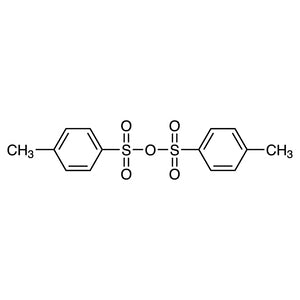
p-ToluenesulfonicAnhydride TCI T1485
Regular price From Rp 1.749.300,00Regular priceRp 1.223.250,00Sale price From Rp 1.749.300,00 -
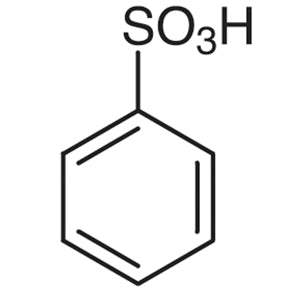
BenzenesulfonicAcidAnhydrous TCI B3408
Regular price Rp 1.565.550,00Regular priceRp 1.094.100,00Sale price Rp 1.565.550,00 -
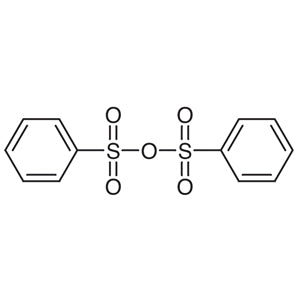
BenzenesulfonicAnhydride TCI B1931
Regular price From Rp 5.062.050,00Regular priceRp 3.539.550,00Sale price From Rp 5.062.050,00 -
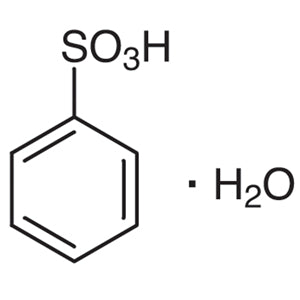
BenzenesulfonicAcidMonohydrate TCI B0030
Regular price From Rp 743.400,00Regular priceRp 519.750,00Sale price From Rp 743.400,00 -
3-Aminobenzenesulfonamide TCI A2195
Regular price Rp 2.013.900,00Regular priceRp 1.423.800,00Sale price Rp 2.013.900,00 -
p-ToluenesulfonicAcidMonohydrate TCI T0267
Regular price From Rp 477.750,00Regular priceRp 333.900,00Sale price From Rp 477.750,00 -
4-NitrobenzenesulfonicAcid TCI N0140
Regular price From Rp 3.312.750,00Regular priceRp 2.316.300,00Sale price From Rp 3.312.750,00