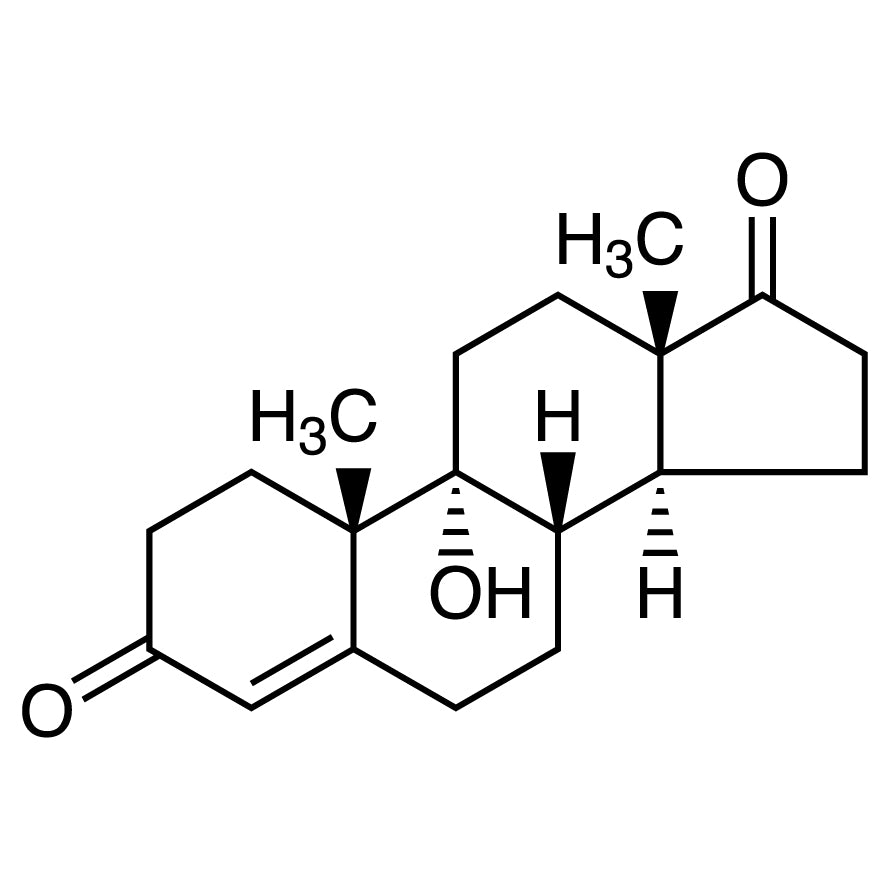
9-Hydroxyandrost-4-ene-3,17-dione is a steroid compound widely used in biochemical research and scientific experimentation. As a key component in steroid metabolism studies, it plays a crucial role in understanding the conversion of androgens to estrogens. This compound is essential for researchers working in endocrinology, pharmacology, and biochemistry due to its structural similarity to naturally occurring steroids. Its unique chemical structure allows for precise chemical reactions, making it a valuable reagent in both synthesis and analytical processes.
The compound's chemical stability under controlled conditions makes it a reliable choice for laboratory applications. However, it is sensitive to oxidative conditions and ultraviolet light, requiring careful handling and storage. Its high purity and solid form ensure consistent results in experiments, which is vital for reproducibility in scientific research. These properties make it a preferred material for laboratories seeking precision and reliability in their experiments.
In Indonesian laboratories, 9-Hydroxyandrost-4-ene-3,17-dione is commonly used in studies related to hormonal regulation and metabolic processes. Researchers in academic institutions and research centers rely on this compound to investigate the biological mechanisms of steroid hormones and their effects on the human body. Its availability and chemical properties make it a staple in many biochemical laboratories across Indonesia.
TCI brochures (PDF)
- Steroids 2026-07-28 · p. 4
Related TCI products
- TCI A0845 63-05-8 DELTA4-Androstene-3,17-dione
- TCI M3121 19457-55-7 6-Methyleneandrost-4-ene-3,17-dione
- TCI A3212 640-87-9 21-(Acetyloxy)-17-hydroxypregn-4-ene-3,20-dione
- TCI P2623 1162-56-7 Pregna-4,6-diene-3,20-dione
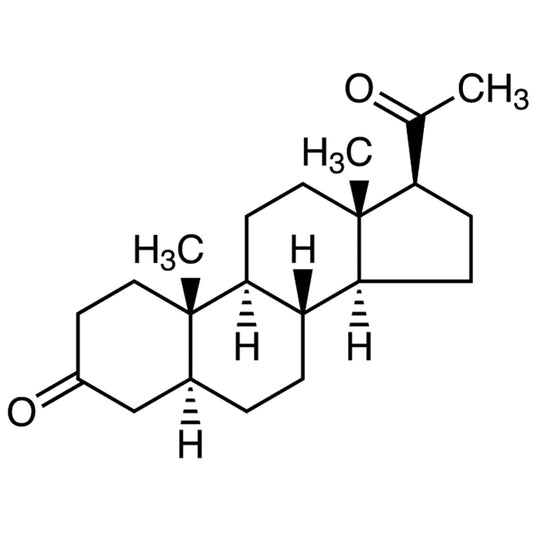
- TCI P2423 566-65-4 5alpha-Pregnane-3,20-dione
- TCI E0920 5173-46-6 Estra-4,9-diene-3,17-dione
- Endocrinology research benefits from this compound as it aids in studying hormone metabolism and steroid conversion pathways.
- Pharmacological studies utilize it to explore the biochemical interactions of steroid-based drugs and their therapeutic effects.
- Biochemical analysis relies on its stability and reactivity for accurate quantification of steroid-related compounds in biological samples.
- Hormone synthesis experiments use it as a building block for creating active biological compounds with specific functions.
- Metabolic pathway investigations depend on its role in understanding how steroids are processed and transformed within the body.
| Brand | TCI |
|---|---|
| CAS number | 560-62-3 |
| Molecular formula | — |
| Purity | — |
| Category | Life Science > Biochemicals and Reagents > Steroids |
| Pack sizes | Available in various quantities as per standard laboratory requirements |
| Physical form | Solid |
| Storage | Store in a cool, dark place away from oxidizing agents and UV light |
This compound should be stored in a cool, dark environment to prevent degradation due to oxidation and UV exposure. It is recommended to use amber-colored glass containers to minimize light exposure. The material should be kept in a dry place to avoid moisture absorption, which may affect its chemical stability. Proper labeling and secure storage are essential to prevent accidental contamination or misuse. Laboratory personnel should wear appropriate personal protective equipment when handling the compound to ensure safety during experiments. Regular monitoring of storage conditions is advised to maintain the compound's integrity and effectiveness for research purposes.
—
Produk Terkait
-
DELTA4-Androstene-3,17-dione TCI A0845
Regular price From Rp 1.353.450,00Regular price -
6-Methyleneandrost-4-ene-3,17-dione TCI M3121
Regular price From Rp 1.035.300,00Regular price -
21-(Acetyloxy)-17-hydroxypregn-4-ene-3,20-dione TCI A3212
Regular price Rp 505.050,00Regular price -
Pregna-4,6-diene-3,20-dione TCI P2623
Regular price From Rp 2.889.600,00Regular price -
5alpha-Pregnane-3,20-dione TCI P2423
Regular price From Rp 2.545.200,00Regular price -
Estra-4,9-diene-3,17-dione TCI E0920
Regular price From Rp 1.829.100,00Regular price -
Trilostane TCI T4049
Regular price From Rp 1.696.800,00Regular price -
AbirateroneAcetate TCI A2891
Regular price From Rp 4.028.850,00Regular price