Halofuginone is a quinazolinone-derived compound developed from febrifugine, a naturally occurring plant alkaloid, and is now widely recognised as a research reagent in molecular pharmacology. It is used in laboratory settings to study collagen formation pathways, fibrotic processes, and the differentiation of certain immune cell populations. Because its activity emerges at very low concentrations, halofuginone serves as an efficient research tool for triggering or suppressing cellular responses in a measurable manner, both in cell culture experiments and in laboratory-based experimental models.
The property that makes this compound a frequent choice is its specific and extensively reported mechanism of action: inhibition of the enzyme prolyl-tRNA synthetase, which in turn activates the amino acid deprivation response within the cell. Downstream consequences of this mechanism include suppression of type I collagen synthesis along with effects on signalling pathways associated with fibrosis and the differentiation of particular helper lymphocyte subsets. The halogen-substituted quinazolinone scaffold provides chemical stability adequate for routine laboratory work, while the compound's weakly basic character simplifies solution preparation.
In Indonesian laboratories, halofuginone is typically used in university research groups, biomedical research institutes, and pharmacology laboratories investigating fibrosis mechanisms and immune cell behaviour. It is generally handled as a small-quantity research reagent, prepared as stock solutions for use in cell culture work, and reserved for research and experimental purposes rather than clinical application. Its low effective working concentration means a modest quantity supports an extended programme of experiments.
- Collagen synthesis pathway studies — halofuginone suppresses type I collagen synthesis through a well-documented mechanism, giving researchers a reliable means of manipulating this pathway experimentally.
- Fibrosis mechanism research — the compound influences signalling pathways associated with fibrosis, making it suitable for investigating how fibrotic processes are initiated and progress in experimental models.
- Immune cell differentiation assays — because it affects the differentiation of certain helper lymphocyte subsets, it supports controlled studies of immune cell fate decisions in culture.
- Amino acid deprivation response studies — inhibition of prolyl-tRNA synthetase activates this cellular stress response, allowing researchers to examine downstream signalling events in a reproducible way.
- Cell culture dose-response experiments — activity at very low concentrations means the compound produces measurable cellular effects across a workable concentration range without requiring large reagent quantities.
| Brand | TCI |
|---|---|
| CAS number | 55837-20-2 |
| Molecular formula | — |
| Purity | — |
| Category | Life Science > Biochemicals and Reagents > Pharmaceutical Ingredients (for Research and Experimental Use) [USP Drug Classification] |
| Pack sizes | available in research-scale quantities; please confirm the currently offered pack size when ordering |
| Physical form | — |
| Storage | — |
- Product code: H1828
- Intended use: for research and experimental purposes only, not for clinical or therapeutic application
Store the compound in its original tightly closed container, kept in a cool, dry place and protected from light and moisture in accordance with the manufacturer's stated storage conditions on the product label. Amber glass vials or the supplied original packaging are appropriate containers; prepared stock solutions should be kept in clearly labelled, sealed vials. Handle the material in a fume hood or well-ventilated area while wearing gloves, safety glasses, and a laboratory coat, and avoid generating dust when weighing out small quantities. As a pharmacologically active research compound, it should be handled only by trained personnel, kept separate from food and general laboratory consumables, and disposed of as chemical waste following institutional procedures. Always consult the manufacturer's safety data sheet before first use.
—
Product Categories
Produk Terkait
-
Toltrazuril TCI T4084
Regular price From Rp 1.115.100,00Regular price -
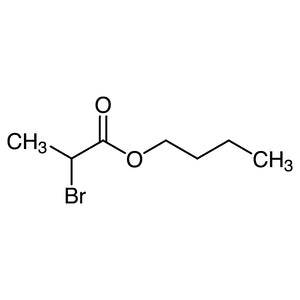
Butyl2-Bromopropionate TCI B1031
Regular price Rp 743.400,00Regular price -
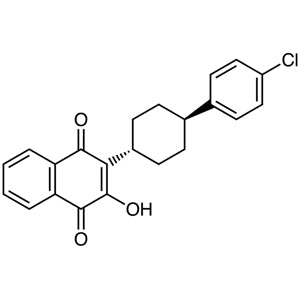
Atovaquone TCI A2545
Regular price From Rp 1.936.200,00Regular price -
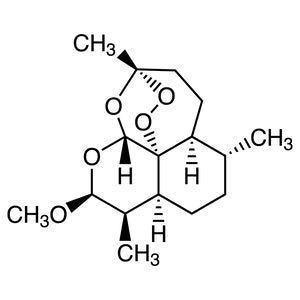
Artemether TCI A2190
Regular price From Rp 1.749.300,00Regular price -
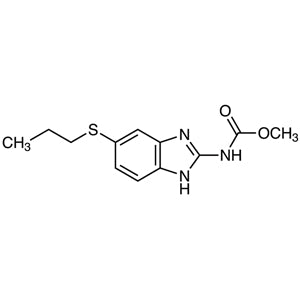
Albendazole TCI A1943
Regular price From Rp 928.200,00Regular price -
PentamidineIsethionate TCI P3098
Regular price Rp 3.630.900,00Regular price -
Pyrimethamine TCI P2037
Regular price From Rp 903.000,00Regular price -
PrimaquineDiphosphate TCI P1989
Regular price From Rp 980.700,00Regular price