Pyrimethamine from TCI is a diaminopyrimidine compound known as an inhibitor of the enzyme dihydrofolate reductase (DHFR), particularly in protozoan parasites. TCI supplies it as a research reagent within its antibiotics and antimicrobials range. In the laboratory, the compound is used in parasitology research, for example on Plasmodium and Toxoplasma. It is also used to study folate metabolic pathways, in drug resistance research, and as a reference material in pharmaceutical analysis. This makes it a useful reagent for both basic and applied biomedical work.
Researchers choose pyrimethamine because it inhibits DHFR selectively, and this mechanism has been studied extensively. DHFR is needed to produce tetrahydrofolate, a key cofactor in nucleotide synthesis, so blocking the enzyme disrupts DNA replication in the target organism. Because it acts more strongly on the parasite enzyme than on the human enzyme, it is a classic model compound in drug design studies. It is also used to study mutations in the dhfr gene that are linked to resistance. That makes it relevant to molecular epidemiology research, where well-characterised reference inhibitors are needed for reproducible results.
In Indonesia, malaria and toxoplasmosis remain important topics in health research. Pyrimethamine is therefore relevant to parasitology, microbiology and pharmacology laboratories at universities, research institutes and pharmaceutical quality-control facilities. Researchers studying malaria resistance or toxoplasmosis, or teaching enzyme inhibition in pharmacology courses, can use this TCI reagent as a dependable, documented starting material. It suits both academic research projects and routine analytical work.
TCI brochures (PDF)
- Antimicrobials and Antitumor Agents for Research and Experimental Use 2025-04-24 · p. 11
- Pharmaceutical Ingredients for Research and Experimental Use 2026-03-09 · p. 11
- Parasitology research: used to study Plasmodium and Toxoplasma because it inhibits the parasites' dihydrofolate reductase, which they need to replicate their DNA.
- Folate metabolism studies: helps researchers trace how tetrahydrofolate is produced and used in nucleotide synthesis by blocking a key enzyme in the folate pathway.
- Drug resistance research: serves as a reference inhibitor for studying dhfr gene mutations linked to resistance, supporting molecular epidemiology studies of parasite populations.
- Drug design and enzyme selectivity studies: a classic model compound for comparing how inhibitors act on parasite versus human DHFR, which helps guide the design of new selective antifolate agents.
- Pharmaceutical analysis: works as a reference material for identifying and comparing pyrimethamine in analytical methods, giving quality-control laboratories a known standard for method checks.
| Brand | TCI (product code P2037) |
|---|---|
| CAS number | 58-14-0 |
| Molecular formula | — |
| Purity | — |
| Category | Life Science > Biochemicals and Reagents > Antibiotics |
| Pack sizes | available in the pack sizes TCI offers for this item; please confirm the size when ordering |
| Physical form | solid |
| Storage | follow the conditions on the TCI label and Safety Data Sheet |
Keep pyrimethamine in its original tightly closed container in a cool, dry, well-ventilated place, away from direct light, moisture and incompatible substances. Follow the storage conditions on the TCI product label and Safety Data Sheet. Because the compound is biologically active, handle it only in a laboratory setting. Wear gloves, a lab coat and eye protection, and avoid breathing in dust or letting it touch your skin. Weigh it in a fume hood or ventilated enclosure where possible, and label any solutions clearly. Dispose of waste according to institutional and local chemical waste regulations.
—
Product Categories
- Biochemicals and ReagentsAntibioticsAntibiotics (by Application)
- Biochemicals and ReagentsPharmaceutical Research Reagents (for Experimental Use)Antiparasitic Ingredients, Antiprotozoal Ingredients, Antihelminthic Ingredients (for Research and Experimental Use)
- Biochemicals and Reagents
- MicrobiologyAntibioticsAntibiotics (by Application)
- Pharmaceutical Development and Drug Discovery ResearchPharmaceutical Research Reagents (for Experimental Use)Antiparasitic Ingredients, Antiprotozoal Ingredients, Antihelminthic Ingredients (for Research and Experimental Use)
- Pharmaceutical Development and Drug Discovery ResearchAntibioticsAntibiotics (by Application)
Produk Terkait
-
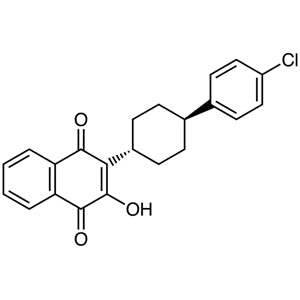
Atovaquone TCI A2545
Regular price From Rp 1.988.700,00Regular priceRp 1.405.950,00Sale price From Rp 1.988.700,00 -
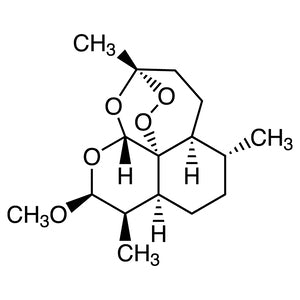
Artemether TCI A2190
Regular price From Rp 1.801.800,00Regular priceRp 1.275.750,00Sale price From Rp 1.801.800,00 -
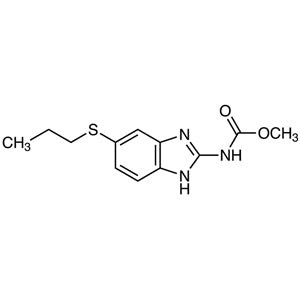
Albendazole TCI A1943
Regular price From Rp 980.700,00Regular priceRp 701.400,00Sale price From Rp 980.700,00 -
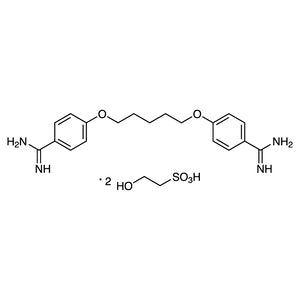
PentamidineIsethionate TCI P3098
Regular price Rp 3.683.400,00Regular priceRp 2.591.400,00Sale price Rp 3.683.400,00 -
PrimaquineDiphosphate TCI P1989
Regular price From Rp 1.033.200,00Regular priceRp 738.150,00Sale price From Rp 1.033.200,00 -
MefloquineHydrochloride TCI M2313
Regular price Rp 3.498.600,00Regular priceRp 2.462.250,00Sale price Rp 3.498.600,00 -
Mebendazole TCI M2273
Regular price From Rp 822.150,00Regular priceRp 590.100,00Sale price From Rp 822.150,00 -
HydroxychloroquineSulfate TCI H1306
Regular price Rp 2.147.250,00Regular priceRp 1.517.250,00Sale price Rp 2.147.250,00