Mefloquine Hydrochloride is a chemical compound widely used in scientific research, particularly in pharmacology and biochemistry. It serves as a key reagent in the development of antimalarial drugs due to its potent pharmacological activity against *Plasmodium* parasites. In laboratory settings, it plays a crucial role in various experimental procedures, including antimicrobial activity testing, toxicity studies, and investigations into drug mechanisms. Its presence in research is essential for understanding the biochemical pathways involved in parasite inhibition and drug resistance.
This compound is valued for its chemical stability under specific conditions and its unique reactivity in different chemical reactions. Its resistance to degradation ensures consistent performance in experiments requiring prolonged exposure or repeated use. Additionally, its solubility in organic solvents simplifies the preparation of solutions for experimental use, making it a reliable choice for researchers. These properties contribute to its widespread application in both academic and industrial research environments.
In Indonesian laboratories, Mefloquine Hydrochloride is a vital component for tropical disease research, especially in regions prone to malaria. It is frequently used in higher education institutions for teaching and research purposes, supporting the development of new therapeutic strategies and diagnostic methods. Its importance in both clinical and academic settings underscores its relevance in advancing scientific knowledge in the region.
TCI brochures (PDF)
- Antimicrobials and Antitumor Agents for Research and Experimental Use 2025-04-24 · p. 11
- Pharmaceutical Ingredients for Research and Experimental Use 2026-03-09 · p. 11
- Antimicrobial Activity Testing: Mefloquine Hydrochloride is used to assess the effectiveness of compounds against bacterial and parasitic infections, providing critical data for drug development.
- Toxicity Studies: It serves as a standard reagent in evaluating the safety and potential side effects of new compounds, ensuring regulatory compliance and patient safety.
- Drug Mechanism Research: Its pharmacological properties make it ideal for studying how antimalarial agents interact with cellular targets and inhibit parasite growth.
- Malaria Research: It is a key component in experiments aimed at understanding the biology of *Plasmodium* and developing new treatments for malaria.
- Educational Purposes: It is commonly used in academic settings to teach students about biochemical processes and drug development techniques.
| Brand | TCI |
|---|---|
| CAS number | 51773-92-3 |
| Molecular formula | — |
| Purity | — |
| Category | Life Science > Biochemicals and Reagents > Antibiotics |
| Pack sizes | Available in various quantities as per standard laboratory requirements |
| Physical form | White crystalline powder |
| Storage | Store in a cool, dry place away from moisture and light |
Mefloquine Hydrochloride should be stored in a cool, dry environment to maintain its chemical stability and prevent degradation. It is recommended to keep it in a tightly sealed container to avoid exposure to moisture and air, which can affect its potency. Due to its potential reactivity, it should be handled with appropriate personal protective equipment, such as gloves and safety goggles. In laboratory settings, it should be stored away from incompatible substances to ensure safety. Regular monitoring of storage conditions is essential to maintain the integrity of the compound for reliable experimental results.
—
Product Categories
- Biochemicals and ReagentsAntibioticsAntibiotics (by Application)
- Biochemicals and ReagentsPharmaceutical Research Reagents (for Experimental Use)Antiparasitic Ingredients, Antiprotozoal Ingredients, Antihelminthic Ingredients (for Research and Experimental Use)
- Biochemicals and Reagents
- MicrobiologyAntibioticsAntibiotics (by Application)
- Pharmaceutical Development and Drug Discovery ResearchPharmaceutical Research Reagents (for Experimental Use)Antiparasitic Ingredients, Antiprotozoal Ingredients, Antihelminthic Ingredients (for Research and Experimental Use)
- Pharmaceutical Development and Drug Discovery ResearchAntibioticsAntibiotics (by Application)
Produk Terkait
-
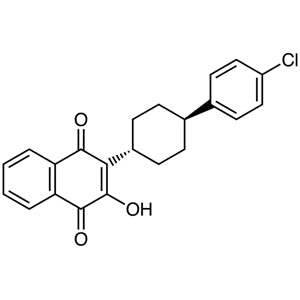
Atovaquone TCI A2545
Regular price From Rp 1.988.700,00Regular priceRp 1.405.950,00Sale price From Rp 1.988.700,00 -
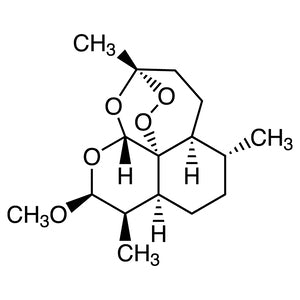
Artemether TCI A2190
Regular price From Rp 1.801.800,00Regular priceRp 1.275.750,00Sale price From Rp 1.801.800,00 -
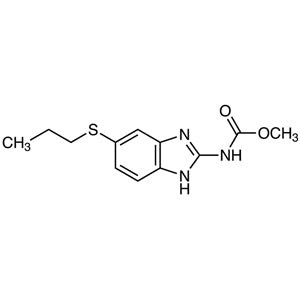
Albendazole TCI A1943
Regular price From Rp 980.700,00Regular priceRp 701.400,00Sale price From Rp 980.700,00 -
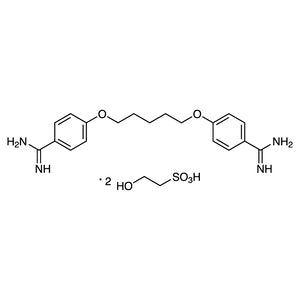
PentamidineIsethionate TCI P3098
Regular price Rp 3.683.400,00Regular priceRp 2.591.400,00Sale price Rp 3.683.400,00 -
Pyrimethamine TCI P2037
Regular price From Rp 955.500,00Regular priceRp 683.550,00Sale price From Rp 955.500,00 -
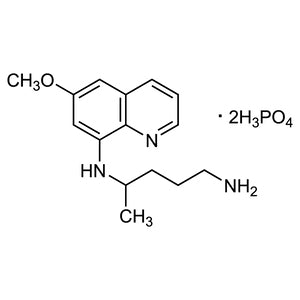
PrimaquineDiphosphate TCI P1989
Regular price From Rp 1.033.200,00Regular priceRp 738.150,00Sale price From Rp 1.033.200,00 -
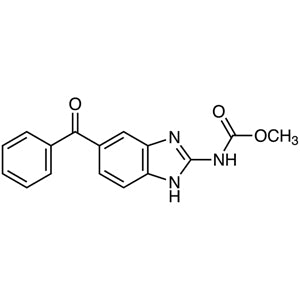
Mebendazole TCI M2273
Regular price From Rp 822.150,00Regular priceRp 590.100,00Sale price From Rp 822.150,00 -
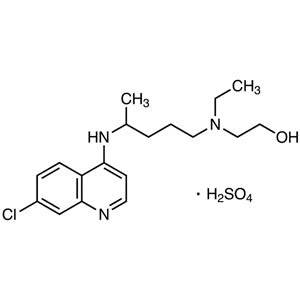
HydroxychloroquineSulfate TCI H1306
Regular price Rp 2.147.250,00Regular priceRp 1.517.250,00Sale price Rp 2.147.250,00