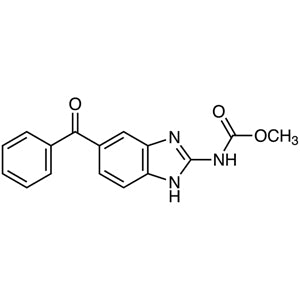
Primaquine Diphosphate TCI P1989, with CAS number 63-45-6, is a chemical compound widely used in life science research, particularly in biochemical and antibiotic studies. This compound plays a crucial role in laboratories where antimicrobial activity and drug development are being explored. It serves as a key reagent in various chemical reactions and is often utilized as a building block for the synthesis of other compounds. Its importance lies in its ability to support research into the mechanisms of action of antibiotics and their efficacy against different microbial strains.
One of the main reasons Primaquine Diphosphate is preferred in laboratories is its chemical stability under specific conditions, despite its sensitivity to moisture and light. It exhibits good solubility in organic solvents such as ethyl acetate and acetone, making it ideal for applications requiring high solubility. These properties allow it to be effectively used in a wide range of analytical and synthetic procedures. Its molecular structure also facilitates the study of molecular interactions and pharmacological mechanisms, which is essential for drug discovery and development.
In Indonesian laboratories, Primaquine Diphosphate is commonly used in public health-related research, especially in the study of parasitic infections and antibiotic resistance. Its application extends to both academic and industrial research settings, where it supports the development of new therapeutic agents and the evaluation of existing ones. Researchers rely on its consistent performance and reliability to ensure accurate and reproducible results in their experiments.
TCI brochures (PDF)
- Pharmaceutical Ingredients for Research and Experimental Use 2026-03-09 · p. 11
- Antimicrobial Activity Testing - Primaquine Diphosphate is ideal for assessing the effectiveness of antibiotics against various bacterial and parasitic strains due to its known pharmacological properties.
- Drug Synthesis and Development - Its chemical structure and solubility properties make it a valuable reagent in the synthesis of new compounds and the modification of existing pharmaceuticals.
- Molecular Interaction Studies - The compound’s complex molecular structure allows researchers to investigate molecular interactions and the mechanisms of drug action in biochemical processes.
- Biochemical Reactions - Its solubility in organic solvents makes it suitable for use in a variety of chemical reactions, including those requiring high reactivity and specificity.
- Parasitology Research - It is frequently used in studies related to parasitic infections, particularly in the evaluation of antiparasitic compounds and their efficacy.
| Brand | TCI |
|---|---|
| CAS number | 63-45-6 |
| Molecular formula | — |
| Purity | — |
| Category | Life Science > Biochemicals and Reagents > Antibiotics |
| Pack sizes | — |
| Physical form | — |
| Storage | Requires protection from moisture and light |
Primaquine Diphosphate should be stored in a cool, dry place away from direct sunlight and sources of moisture. It is recommended to use airtight containers to prevent exposure to humidity, which can degrade the compound. In laboratory settings, it should be handled with care to avoid contamination and ensure its stability. Proper labeling and storage conditions are essential to maintain its chemical integrity and effectiveness. Regular monitoring of storage conditions is advised to ensure optimal performance in research applications. Laboratories should also follow standard safety protocols when handling this compound to minimize risks associated with its sensitivity to environmental factors.
—
Product Categories
- Biochemicals and ReagentsAntibioticsAntibiotics (by Application)
- Biochemicals and ReagentsPharmaceutical Research Reagents (for Experimental Use)Antiparasitic Ingredients, Antiprotozoal Ingredients, Antihelminthic Ingredients (for Research and Experimental Use)
- Biochemicals and Reagents
- MicrobiologyAntibioticsAntibiotics (by Application)
- Pharmaceutical Development and Drug Discovery ResearchPharmaceutical Research Reagents (for Experimental Use)Antiparasitic Ingredients, Antiprotozoal Ingredients, Antihelminthic Ingredients (for Research and Experimental Use)
- Pharmaceutical Development and Drug Discovery ResearchAntibioticsAntibiotics (by Application)
Produk Terkait
-
ChloroquineDiphosphate TCI C2301
Regular price From Rp 1.538.250,00Regular priceRp 1.090.950,00Sale price From Rp 1.538.250,00 -
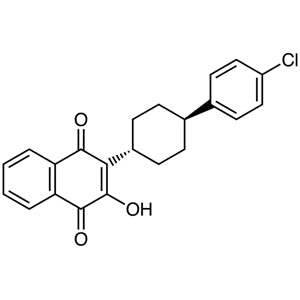
Atovaquone TCI A2545
Regular price From Rp 1.988.700,00Regular priceRp 1.405.950,00Sale price From Rp 1.988.700,00 -
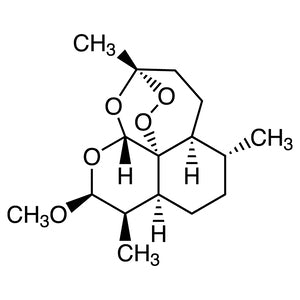
Artemether TCI A2190
Regular price From Rp 1.801.800,00Regular priceRp 1.275.750,00Sale price From Rp 1.801.800,00 -
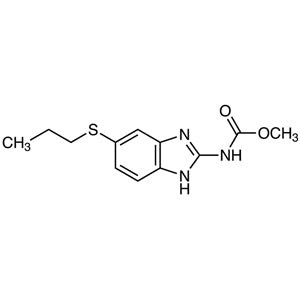
Albendazole TCI A1943
Regular price From Rp 980.700,00Regular priceRp 701.400,00Sale price From Rp 980.700,00 -
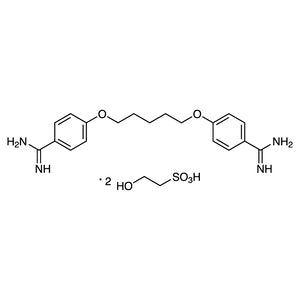
PentamidineIsethionate TCI P3098
Regular price Rp 3.683.400,00Regular priceRp 2.591.400,00Sale price Rp 3.683.400,00 -
Pyrimethamine TCI P2037
Regular price From Rp 955.500,00Regular priceRp 683.550,00Sale price From Rp 955.500,00 -
MefloquineHydrochloride TCI M2313
Regular price Rp 3.498.600,00Regular priceRp 2.462.250,00Sale price Rp 3.498.600,00 -
Mebendazole TCI M2273
Regular price From Rp 822.150,00Regular priceRp 590.100,00Sale price From Rp 822.150,00