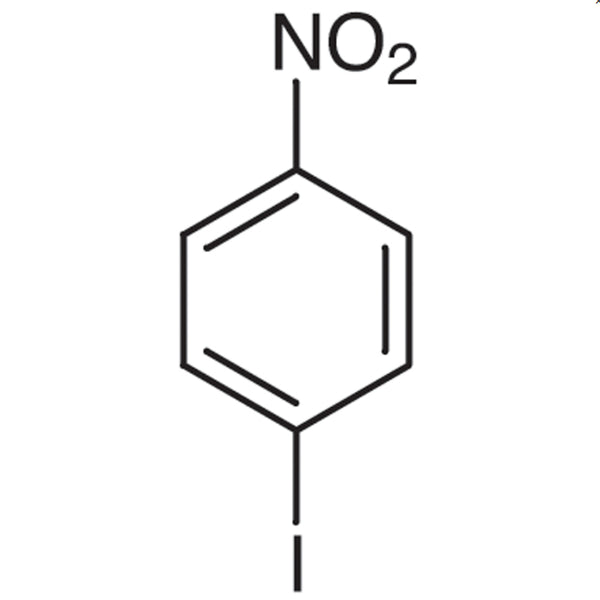

TCI I0064 1-Iodo-4-nitrobenzene is the para isomer of nitroiodobenzene, with the iodine atom and the nitro group positioned directly opposite one another on the benzene ring. This symmetrical arrangement makes it a highly favoured non-heterocyclic building block, because reactions performed on it tend to converge on a single product and therefore require far simpler purification. The compound serves as a starting material for constructing biaryls, conjugated aromatic systems, and a wide range of para-aniline derivatives that form the backbone of many dyes, pharmaceutical compounds, and organic materials studied in molecular electronics research.
Its advantages rest on two properties working together. First, the carbon–iodine bond is the most readily activated of the carbon–halogen bonds toward transition metal catalysts, so cross-coupling proceeds quickly and cleanly with minimal side reactions. Second, the strongly electron-withdrawing nitro group in the para position further facilitates the oxidative addition step, and under appropriate conditions also opens the door to nucleophilic aromatic substitution. Once the molecular framework has been assembled, that same nitro group can be reduced to an amine and then carried forward into diazonium salts, amides, or other functionalities as the synthetic design requires.
In Indonesian laboratories, this reagent is typically found in university organic synthesis groups, government research institutes, and industrial R&D units working on fine chemicals and functional materials. It is commonly used in methodology studies on palladium-catalysed coupling, in postgraduate thesis work building substituted aromatic scaffolds, and in exploratory syntheses where a reliable, well-defined aryl iodide handle is needed. Its predictable reactivity makes it a practical teaching and research reagent for groups with limited access to specialised reagents.
- Suzuki–Miyaura cross-coupling: the reactive carbon–iodine bond couples efficiently with boronic acids, giving nitro-substituted biaryls under mild palladium catalysis with straightforward workup.
- Sonogashira coupling: the aryl iodide reacts readily with terminal alkynes to build conjugated aryl-alkyne systems used in organic electronic and fluorescent materials research.
- Heck reaction with alkenes: the electron-poor aromatic ring and easily activated iodide combine to give clean vinyl-aryl products with good regiochemical control.
- Synthesis of para-substituted aniline derivatives: the nitro group is reduced to an amine after coupling, opening routes to dyes, amides, and diazonium chemistry.
- Nucleophilic aromatic substitution studies: the para nitro group activates the ring toward selected nucleophiles, making the compound a useful substrate for mechanistic and teaching experiments.
| Brand | TCI (Tokyo Chemical Industry) |
|---|---|
| CAS number | 636-98-6 |
| Molecular formula | — |
| Purity | — |
| Category | Chemistry > Building Blocks > Non-Heterocyclic Building Blocks |
| Pack sizes | available in standard TCI research pack sizes; please confirm the currently listed options when ordering |
| Physical form | — |
| Storage | keep in a cool, dry place, protected from light, in a tightly closed original container |
- Catalogue number: I0064
Store the container tightly closed in a cool, dry, well-ventilated area away from direct sunlight and heat sources, since iodinated aromatics can be light sensitive. Amber glass or the original supplier container is preferred, and the bottle should be kept away from strong reducing agents and incompatible materials. Handle inside a fume hood while wearing safety goggles, nitrile gloves, and a laboratory coat, and avoid contact with skin, eyes, and inhalation of dust. Weigh the solid carefully to limit dust generation, close the container immediately after use, and dispose of residues and contaminated materials as chemical waste according to institutional procedures. Always consult the manufacturer's safety data sheet before first use.
—
Produk Terkait
-
1-Bromo-2-chloro-4-nitrobenzene TCI B5348
Regular price From Rp 1.298.850,00Regular price -
1-Benzyloxy-4-nitrobenzene TCI B4706
Regular price Rp 5.300.400,00Regular price -
4-Bromo-1-chloro-2-nitrobenzene TCI B4374
Regular price From Rp 1.246.350,00Regular price -
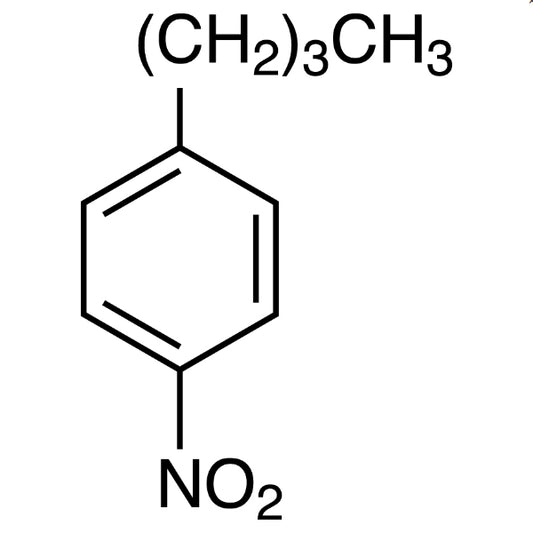
1-Butyl-4-nitrobenzene TCI B3092
Regular price From Rp 5.380.200,00Regular price -
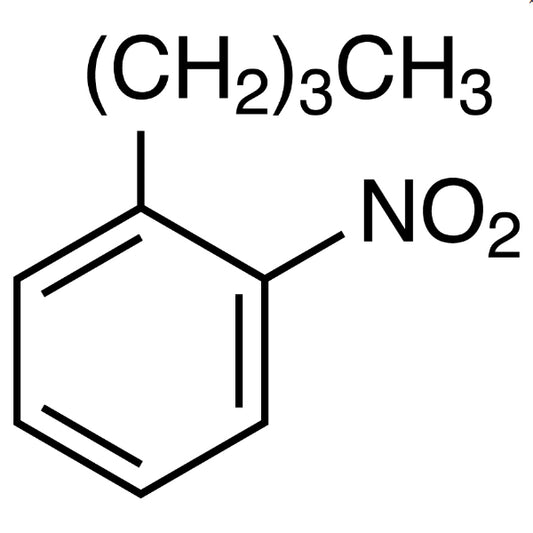
1-Butyl-2-nitrobenzene TCI B3091
Regular price From Rp 3.287.550,00Regular price -
1-Bromo-4-nitrobenzene TCI B0624
Regular price From Rp 1.908.900,00Regular price -
1-Bromo-3-nitrobenzene TCI B0623
Regular price From Rp 1.538.250,00Regular price -
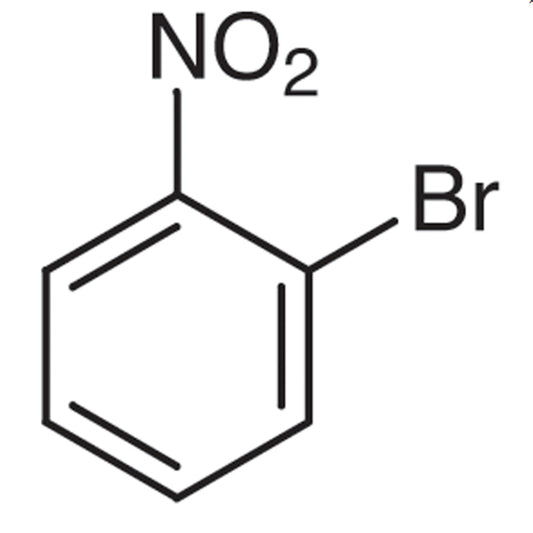
1-Bromo-2-nitrobenzene TCI B0622
Regular price From Rp 1.936.200,00Regular price