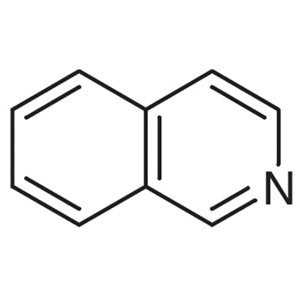
Isoquinoline is a heterocyclic compound featuring a basic structure with two nitrogen atoms in a single aromatic ring. It plays a crucial role in laboratory settings as a fundamental building block for the synthesis of complex compounds, particularly in pharmaceutical and organic chemistry. Due to its chemical stability and reactivity, isoquinoline is widely used in chemical reactions to create molecules with specific biological activities. Its presence in various research fields highlights its importance in advancing scientific understanding and innovation.
The compound's chemical properties, including its stability under normal conditions and reactivity with acids, bases, and organic solvents, make it a preferred choice for researchers. The presence of two nitrogen atoms in its ring structure enhances its reactivity, allowing it to participate in substitution and cyclization reactions. These characteristics make isoquinoline a versatile reagent in the development of pharmaceuticals and industrial chemicals. Its reliability and effectiveness in chemical processes contribute to its widespread use in both academic and industrial research.
In Indonesian laboratories, isoquinoline is commonly used in organic chemistry and pharmacology research. Educational and research institutions rely on this compound for experiments aimed at synthesizing bioactive molecules. Its availability and consistent performance make it an essential tool for scientists working on drug development and chemical innovation. The compound's role in advancing scientific research underscores its significance in the Indonesian scientific community.
Related TCI products
- Organic synthesis experiments benefit from isoquinoline's reactivity and stability, enabling the creation of complex molecules with biological activity.
- Pharmaceutical research utilizes isoquinoline as a building block for developing new drugs and therapeutic agents.
- Heterocyclic compound studies rely on isoquinoline to explore its structural and functional properties in chemical reactions.
- Industrial chemical production incorporates isoquinoline for the synthesis of various chemical intermediates and derivatives.
- Analytical chemistry applications use isoquinoline as a reference standard for qualitative and quantitative analysis in laboratory settings.
| Brand | TCI |
|---|---|
| CAS number | 119-65-3 |
| Molecular formula | — |
| Purity | — |
| Category | Chemistry > Building Blocks > Heterocyclic Building Blocks |
| Pack sizes | Available in various quantities as per standard laboratory supply |
| Physical form | Liquid |
| Storage | Store in a cool, dry place away from direct sunlight and incompatible substances |
Isoquinoline should be stored in a cool, dry place, away from direct sunlight and incompatible substances such as strong acids or bases. It is recommended to use airtight containers made of glass or polyethylene to prevent contamination and maintain chemical integrity. Due to its reactivity, it should be handled with care, using appropriate personal protective equipment. Proper labeling and storage conditions are essential to ensure safety and maintain the compound's effectiveness in laboratory applications. Regular monitoring of storage conditions helps prevent degradation and ensures the compound remains suitable for use in chemical experiments.
—
Produk Terkait
-
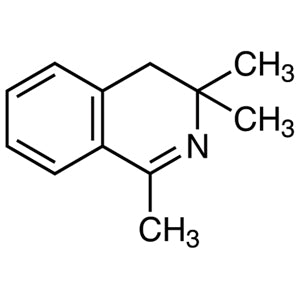
1,3,3-Trimethyl-3,4-dihydroisoquinoline TCI T3060
Regular price Rp 2.650.200,00Regular price -
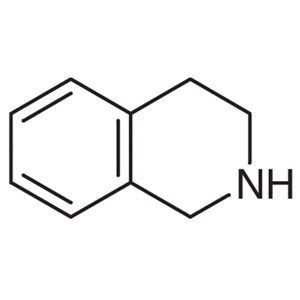
1,2,3,4-Tetrahydroisoquinoline TCI T1676
Regular price From Rp 1.298.850,00Regular price -
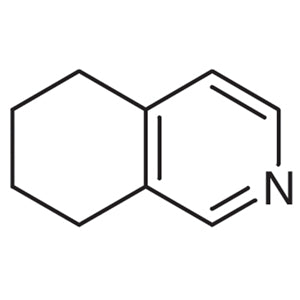
5,6,7,8-Tetrahydroisoquinoline TCI T1230
Regular price Rp 2.942.100,00Regular price -
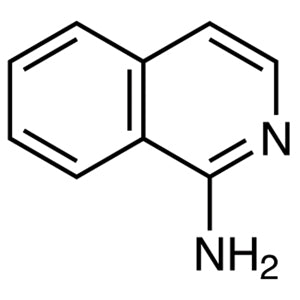
1-Aminoisoquinoline TCI A2817
Regular price From Rp 1.829.100,00Regular price -
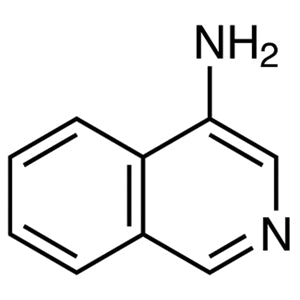
4-Aminoisoquinoline TCI A2595
Regular price From Rp 1.431.150,00Regular price -
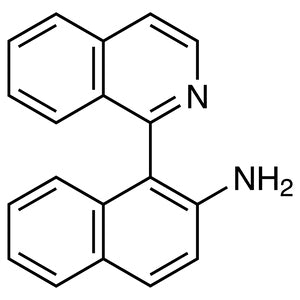
1-(2-Amino-1-naphthyl)isoquinoline TCI A2221
Regular price Rp 7.446.600,00Regular price -
5-Aminoisoquinoline TCI A1465
Regular price From Rp 769.650,00Regular price -
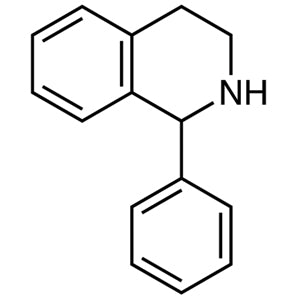
1-Phenyl-1,2,3,4-tetrahydroisoquinoline TCI P2056
Regular price From Rp 903.000,00Regular price