

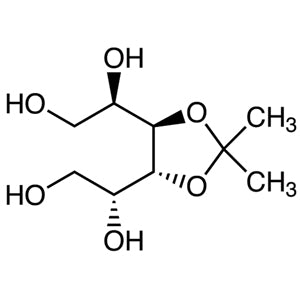
3,4-O-Isopropylidene-D-mannitol is a chemical compound widely used in chemical and biochemical experiments, particularly in the study of glycosylation and carbohydrate structures. This compound serves as a key intermediate in the synthesis of glycosides and glycan analogs, making it essential for researchers working in glycoscience. Its role extends to molecular biology and organic chemistry, where it is employed in the development of complex molecules and the investigation of carbohydrate-based interactions. Due to its stability and reactivity, it is a valuable tool in various laboratory applications.
The compound’s molecular structure provides it with stable characteristics and moderate reactivity, making it suitable for a range of chemical reactions such as reduction, oxidation, and substitution. These properties ensure its reliability in laboratory settings where precise chemical behavior is required. Its ability to participate in multiple reaction pathways also makes it a preferred choice for synthetic chemists and biochemists. The compound’s versatility and predictable performance contribute to its widespread use in research environments.
In Indonesian laboratories, 3,4-O-Isopropylidene-D-mannitol is commonly used in molecular biology, pharmaceutical research, and organic chemistry. It is particularly favored in glycoscience studies and drug development projects. Its availability in the local market supports ongoing research efforts, enabling scientists to conduct experiments with consistent and reliable materials. This compound is an important resource for researchers in Indonesia working on carbohydrate-related studies and synthetic chemistry applications.
TCI brochures (PDF)
Related TCI products
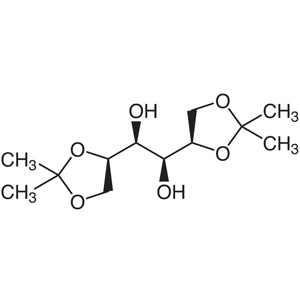
- TCI D2024 1707-77-3 1,2:5,6-Di-O-isopropylidene-D-mannitol
- TCI D2447 14131-84-1 2,3:5,6-Di-O-isopropylidene-D-mannofuranose
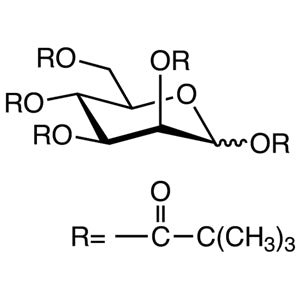
- TCI T2568 2,3,4,6-Tetra-O-pivaloyl-D-mannopyranosyl Fluoride
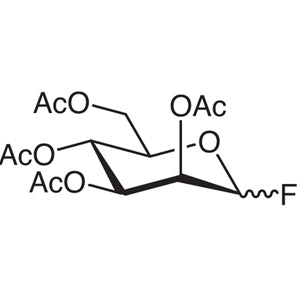
- TCI T2567 174511-17-2 2,3,4,6-Tetra-O-acetyl-D-mannopyranosyl Fluoride
- TCI T2307 92051-23-5 1,3,4,6-Tetra-O-acetyl-2-O-(trifluoromethanesulfonyl)-beta-D-mannopyranose
- TCI P1803 220017-47-0 1,2,3,4,6-Penta-O-pivaloyl-D-mannopyranose
- Molecular biology research utilizes this compound for studying carbohydrate interactions and glycosylation processes due to its stable molecular structure and reactivity.
- Organic chemistry experiments benefit from its role as a precursor in the synthesis of complex glycosides and glycan analogs, offering a reliable starting material for chemical transformations.
- Pharmaceutical development leverages its use in the design and synthesis of carbohydrate-based drugs, supporting the creation of novel therapeutic agents.
- Glycoscience studies rely on this compound to investigate the structural and functional roles of carbohydrates in biological systems.
- Biochemical analysis employs it in the study of carbohydrate metabolism and enzyme activity, providing a consistent and well-characterized substrate for experimental protocols.
| Brand | TCI |
|---|---|
| CAS number | 3969-84-4 |
| Molecular formula | — |
| Purity | — |
| Category | Chemistry > Chemical Biology > Glycoscience |
| Pack sizes | Available in standard laboratory quantities as per supplier specifications |
| Physical form | Solid, crystalline appearance |
| Storage | Store in a cool, dry place away from direct sunlight and moisture |
This compound should be stored in a cool, dry environment to maintain its stability and prevent degradation. It is recommended to use airtight containers to protect it from moisture and humidity, which can affect its chemical integrity. Due to its reactivity, it should be handled in a well-ventilated laboratory setting to minimize exposure to fumes. Proper personal protective equipment, such as gloves and safety goggles, should be worn during handling to ensure laboratory safety. The compound should be kept away from incompatible materials to avoid any potential chemical interactions. Regular monitoring of storage conditions ensures the compound remains suitable for use in research applications.
—
Product Categories
Produk Terkait
-
1,2:5,6-Di-O-isopropylidene-D-mannitol TCI D2024
Regular price From Rp 980.700,00Regular price -
2,3:5,6-Di-O-isopropylidene-D-mannofuranose TCI D2447
Regular price Rp 1.431.150,00Regular price -
Fluoride TCI T2568
Regular price Rp 5.724.600,00Regular price -
2,3,4,6-Tetra-O-acetyl-D-mannopyranosylFluoride TCI T2567
Regular price From Rp 5.460.000,00Regular price -
1,3,4,6-Tetra-O-acetyl-2-O-(trifluoromethanesulfonyl)-beta-D-mannopyranose TCI T2307
Regular price Rp 1.326.150,00Regular price -
1,2,3,4,6-Penta-O-pivaloyl-D-mannopyranose TCI P1803
Regular price Rp 7.500.150,00Regular price -
1,2,3,4,6-Penta-O-acetyl-D-mannopyranose TCI P1514
Regular price Rp 1.803.900,00Regular price -
4-Nitrophenylalpha-D-Mannopyranoside[Substrateforalpha-Mannosidase] TCI N0619
Regular price Rp 4.902.450,00Regular price



![10357-27-4 4-Nitrophenyl alpha-D-Mannopyranoside [Substrate for alpha-Mannosidase] - AMI Scientific](http://amiscientific.com/cdn/shop/files/TCI2510N0619.jpg?v=1767130142&width=533)