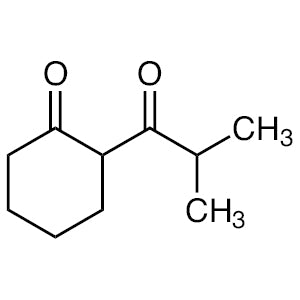
2-Isobutyrylcyclohexan-1-one is a chemical compound widely used as a building block in the synthesis of complex organic molecules. Its unique molecular structure features a cyclohexanone ring with an isobutyryl group attached, making it a versatile intermediate in organic chemistry. In the laboratory, this compound plays a crucial role in the development of new synthetic pathways and the creation of structurally diverse compounds. Its ability to participate in nucleophilic and electrophilic reactions makes it a valuable tool for chemists seeking to modify molecular frameworks.
The compound’s non-polar nature allows it to dissolve effectively in various organic solvents, enhancing its utility in reaction systems. Its stability under controlled conditions further contributes to its reliability in laboratory settings. The flexibility of its molecular structure enables it to engage in substitution reactions and ring-opening processes, making it a preferred choice for synthetic chemists. These properties collectively support its application in both fundamental and applied research.
In Indonesian laboratories, 2-Isobutyrylcyclohexan-1-one is commonly used in chemical research and development. It is frequently found in academic and industrial settings where the synthesis of new compounds is required. Its availability in the local market supports ongoing research efforts, particularly in pharmaceutical and organic chemistry fields. Researchers rely on this compound to explore novel synthetic strategies and improve existing methodologies.
- Organic synthesis applications benefit from the compound's ability to participate in nucleophilic and electrophilic reactions, enabling the construction of complex molecular frameworks.
- Pharmaceutical research utilizes this compound as a building block for the development of new drug molecules, leveraging its structural versatility.
- Academic research in chemistry often incorporates this compound to explore reaction mechanisms and synthetic pathways in both pure and applied contexts.
- Industrial chemical processes may use this compound as an intermediate in the production of specialty chemicals and fine chemicals.
- Analytical chemistry applications may involve this compound as a standard or reference material for qualitative and quantitative analysis.
| Brand | TCI |
|---|---|
| CAS number | 39207-65-3 |
| Molecular formula | — |
| Purity | — |
| Category | Chemistry > Building Blocks > Non-Heterocyclic Building Blocks |
| Pack sizes | Available in various quantities as per standard laboratory supply |
| Physical form | Liquid |
| Storage | Store in a cool, dry place away from light and incompatible materials |
This compound should be stored in a cool, dry environment, away from direct sunlight and sources of heat. It is recommended to use airtight containers made of materials compatible with organic solvents to prevent contamination and evaporation. Due to its non-polar nature, it is important to ensure proper ventilation when handling to avoid inhalation of vapors. Laboratory personnel should wear appropriate personal protective equipment, such as gloves and safety goggles, when working with this compound. It should not be stored near incompatible substances, such as strong oxidizers or acids, to prevent potential chemical reactions. Proper labeling of containers is essential for safe handling and storage practices.
—
Produk Terkait
-
IsobutyrylChloride TCI I0115
Regular price From Rp 769.650,00Regular price -
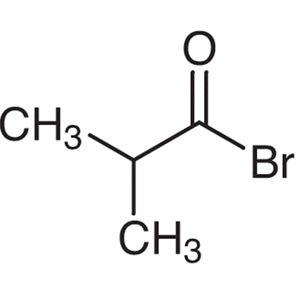
IsobutyrylBromide TCI I0114
Regular price From Rp 1.803.900,00Regular price -
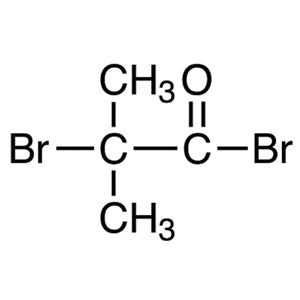
2-BromoisobutyrylBromide TCI B0607
Regular price From Rp 848.400,00Regular price -
2-AcetoxyisobutyrylChloride TCI A1120
Regular price From Rp 1.803.900,00Regular price -
MethylIsobutyrylacetate TCI I0592
Regular price Rp 1.298.850,00Regular price -
EthylIsobutyrylacetate TCI E0882
Regular price From Rp 1.298.850,00Regular price -
IsobutyricAcidHydrazide TCI I1105
Regular price From Rp 2.306.850,00Regular price -
IsoamylIsobutyrate TCI I0676
Regular price From Rp 610.050,00Regular price