Silver(I) Nitrate (AgNO₃) is a chemical compound widely used in laboratory settings for its versatile applications in both organic and inorganic chemistry. As a key reagent, it plays a crucial role in various experimental processes, including precipitation reactions, qualitative analysis, and the synthesis of complex metal compounds. Its ability to participate in redox reactions makes it an essential component in analytical and synthetic chemistry. This compound is particularly valued for its high solubility in water, which allows for easy preparation of solutions for use in different laboratory procedures.
The chemical properties of Silver(I) Nitrate, such as its reactivity and sensitivity to moisture and light, make it a preferred choice in controlled laboratory environments. Its high solubility and stable solid form enable it to be stored for extended periods when properly managed. The compound’s ability to form precipitates with halides and its role in photographic chemistry further enhance its utility. These characteristics make it a reliable and effective material for both research and educational purposes.
In Indonesian laboratories, Silver(I) Nitrate is commonly used in chemical research and educational experiments. It is a fundamental reagent in basic and advanced chemistry courses, particularly in the fields of analytical and inorganic chemistry. Its presence in laboratory setups supports the teaching of chemical reactions, synthesis techniques, and analytical methods. The compound's stability in solid form also makes it suitable for long-term storage and repeated use in various experimental setups.
TCI brochures (PDF)
- Metallic Salts 2025-11-06 · p. 9
- Transition Metal Catalysts 2026-04-10 · p. 16
Related TCI products
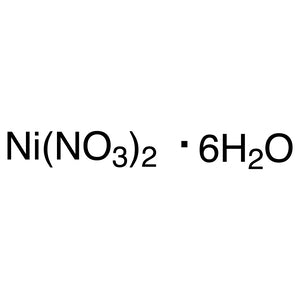
- TCI N1252 13478-00-7 Nickel(II) Nitrate Hexahydrate
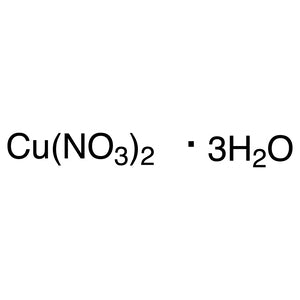
- TCI C3775 10031-43-3 Copper(II) Nitrate Trihydrate
- TCI S0981 26042-63-7 Silver Hexafluorophosphate
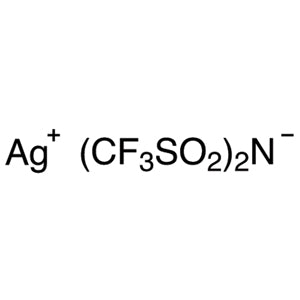
- TCI S0898 189114-61-2 Silver Bis(trifluoromethanesulfonyl)imide
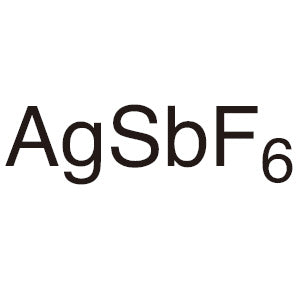
- TCI S0463 26042-64-8 Silver Hexafluoroantimonate(V)
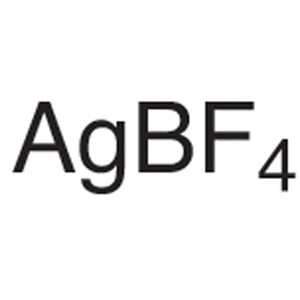
- TCI S0446 14104-20-2 Silver Tetrafluoroborate
- Precipitation Reactions: Silver(I) Nitrate is commonly used to form insoluble silver halides, making it ideal for qualitative analysis in identifying halide ions in solution.
- Qualitative Analysis: Its reactivity with halides allows for the detection and identification of specific ions in a sample, supporting accurate analytical procedures.
- Photographic Chemistry: Silver(I) Nitrate is essential in the development of photographic films and papers due to its light-sensitive nature and ability to form silver halides.
- Redox Reactions: Its role in oxidation-reduction processes makes it a valuable reagent in electrochemical studies and the synthesis of metal compounds.
- Metal Complex Formation: It is used in the synthesis of metal complexes, contributing to the study of coordination chemistry and catalytic processes.
| Brand | TCI |
|---|---|
| CAS number | 7761-88-8 |
| Molecular formula | — |
| Purity | — |
| Category | Chemistry > Catalysis and Inorganic Chemistry > Transition Elements |
| Pack sizes | Available in various quantities as per standard laboratory supply |
| Physical form | White crystalline solid |
| Storage | Store in a cool, dry place away from light and moisture |
Silver(I) Nitrate should be stored in a cool, dry place, away from direct light and moisture to maintain its stability and prevent degradation. It is recommended to use airtight containers made of glass or inert materials to minimize exposure to humidity. Due to its corrosive and toxic nature, proper personal protective equipment, such as gloves and goggles, should be worn during handling. The compound should be kept in a well-ventilated area to avoid inhalation of fumes. It is important to ensure that it is not mixed with incompatible substances and that spillage is promptly cleaned up with appropriate safety measures in place.
—
Produk Terkait
-
Nickel(II)NitrateHexahydrate TCI N1252
Regular price From Rp 610.050,00Regular priceRp 426.300,00Sale price From Rp 610.050,00 -
Copper(II)NitrateTrihydrate TCI C3775
Regular price From Rp 610.050,00Regular priceRp 426.300,00Sale price From Rp 610.050,00 -
SilverHexafluorophosphate TCI S0981
Regular price From Rp 1.829.100,00Regular priceRp 1.278.900,00Sale price From Rp 1.829.100,00 -
SilverBis(trifluoromethanesulfonyl)imide TCI S0898
Regular price From Rp 5.485.200,00Regular priceRp 3.835.650,00Sale price From Rp 5.485.200,00 -
SilverHexafluoroantimonate(V) TCI S0463
Regular price Rp 3.155.250,00Regular priceRp 2.206.050,00Sale price Rp 3.155.250,00 -
SilverTetrafluoroborate TCI S0446
Regular price From Rp 2.650.200,00Regular priceRp 1.853.250,00Sale price From Rp 2.650.200,00 -
PotassiumSilver(I)Cyanide TCI P3370
Regular price Rp 848.400,00Regular priceRp 593.250,00Sale price Rp 848.400,00 -
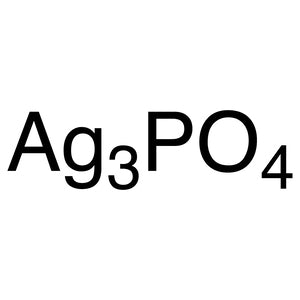
Silver(I)Phosphate TCI I1259
Regular price From Rp 1.670.550,00Regular priceRp 1.167.600,00Sale price From Rp 1.670.550,00