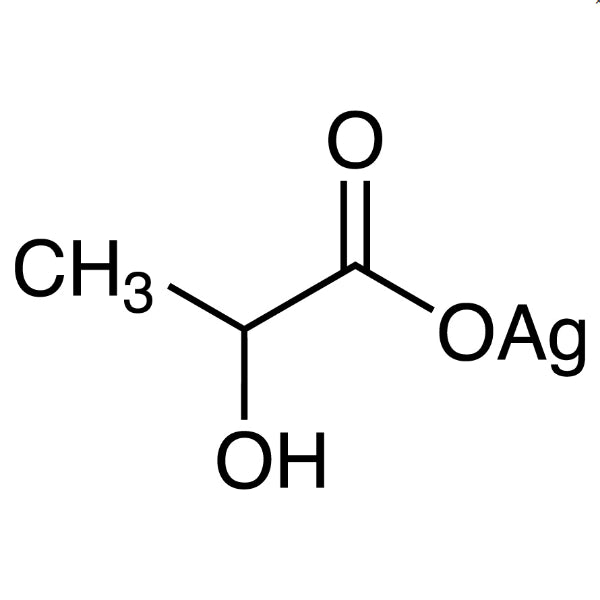
Silver Lactate (TCI I1266), with the CAS number 15768-18-0, is a chemical compound widely used in laboratory settings, particularly in the fields of catalysis and inorganic chemistry. It is composed of silver ions (Ag⁺) bonded to lactate ions (C₃H₅O₃⁻), forming a stable complex that is essential in various chemical reactions. Its unique structure makes it a valuable reagent for both synthetic and analytical purposes. This compound plays a crucial role in facilitating chemical transformations, especially in reduction and oxidation processes, where its catalytic properties are highly effective.
One of the key reasons Silver Lactate is preferred in laboratory applications is its chemical stability and solubility in organic solvents. These properties make it easy to handle and integrate into different experimental setups. Additionally, its ability to interact with various ligands enhances its versatility in catalytic reactions. The compound's stability under normal laboratory conditions ensures consistent results, making it a reliable choice for researchers. Its reactivity and compatibility with a wide range of chemical environments further contribute to its popularity among scientists.
In Indonesian laboratories, Silver Lactate is commonly used in chemical research, especially in catalysis and organic synthesis. It is a staple in academic and industrial research settings, where its role as a reagent and catalyst is essential. Many universities and research institutions in Indonesia rely on this compound for experiments that require precise chemical reactions. Its availability and performance make it an indispensable tool in the pursuit of scientific discovery and innovation.
Related TCI products
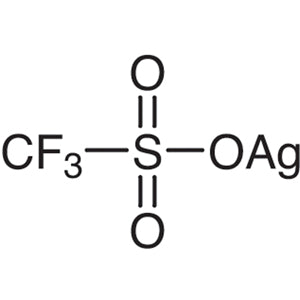
- TCI T1331 2923-28-6 Silver Trifluoromethanesulfonate
- TCI S0981 26042-63-7 Silver Hexafluorophosphate
- TCI S0977 811-68-7 Silver(I) Trifluoromethanethiolate
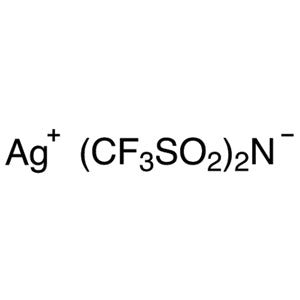
- TCI S0898 189114-61-2 Silver Bis(trifluoromethanesulfonyl)imide
- TCI S0815 14783-00-7 Silver(II) Pyridine-2-carboxylate
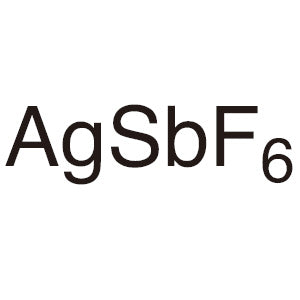
- TCI S0463 26042-64-8 Silver Hexafluoroantimonate(V)
- Catalytic Reduction Reactions: Silver Lactate is ideal for catalytic reduction processes due to its ability to facilitate electron transfer and stabilize intermediates, enhancing reaction efficiency.
- Organic Synthesis: Its unique chemical structure allows it to act as a versatile catalyst in organic synthesis, supporting a wide range of reaction types and conditions.
- Inorganic Chemistry Experiments: Silver Lactate contributes to inorganic chemistry studies by enabling the formation of stable complexes and aiding in the study of transition metal behavior.
- Analytical Chemistry Applications: The compound's stability and reactivity make it suitable for use in analytical procedures, where precise chemical interactions are required.
- Oxidation Reactions: Silver Lactate is effective in oxidation processes, where it helps control reaction pathways and improve product yields.
| Brand | TCI |
|---|---|
| CAS number | 15768-18-0 |
| Molecular formula | — |
| Purity | — |
| Category | Chemistry > Catalysis and Inorganic Chemistry > Transition Elements |
| Pack sizes | Available in various quantities as per standard laboratory supply formats |
| Physical form | Solid powder or crystalline form, depending on the batch |
| Storage | Store in a cool, dry place away from moisture and direct sunlight |
Silver Lactate should be stored in a cool, dry environment to maintain its chemical stability and prevent degradation. It is recommended to keep it in airtight containers to minimize exposure to moisture and air, which could affect its reactivity. When handling the compound, it is important to use appropriate personal protective equipment, such as gloves and safety goggles, to ensure laboratory safety. The compound is generally non-hazardous under normal conditions but should be handled with care to avoid contamination. Proper labeling and storage conditions are essential to maintain its effectiveness and ensure safe use in laboratory settings.
—
Produk Terkait
-
SilverTrifluoromethanesulfonate TCI T1331
Regular price From Rp 610.050,00Regular priceRp 426.300,00Sale price From Rp 610.050,00 -
SilverHexafluorophosphate TCI S0981
Regular price From Rp 1.829.100,00Regular priceRp 1.278.900,00Sale price From Rp 1.829.100,00 -
Silver(I)Trifluoromethanethiolate TCI S0977
Regular price From Rp 3.287.550,00Regular priceRp 2.298.450,00Sale price From Rp 3.287.550,00 -
SilverBis(trifluoromethanesulfonyl)imide TCI S0898
Regular price From Rp 5.485.200,00Regular priceRp 3.835.650,00Sale price From Rp 5.485.200,00 -
Silver(II)Pyridine-2-carboxylate TCI S0815
Regular price From Rp 1.829.100,00Regular priceRp 1.278.900,00Sale price From Rp 1.829.100,00 -
SilverHexafluoroantimonate(V) TCI S0463
Regular price Rp 3.155.250,00Regular priceRp 2.206.050,00Sale price Rp 3.155.250,00 -
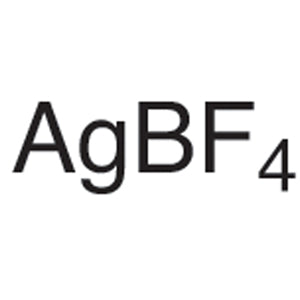
SilverTetrafluoroborate TCI S0446
Regular price From Rp 2.650.200,00Regular priceRp 1.853.250,00Sale price From Rp 2.650.200,00 -
PotassiumSilver(I)Cyanide TCI P3370
Regular price Rp 848.400,00Regular priceRp 593.250,00Sale price Rp 848.400,00