TCI K0050 Kojic Acid Dipalmitate is a diester derivative of kojic acid. Both hydroxyl groups of kojic acid are esterified with palmitic acid, a long-chain saturated fatty acid. Kojic acid is a fungal metabolite studied for its ability to inhibit tyrosinase, the key enzyme in melanin formation. As a dipalmitate, the molecule becomes much more lipophilic. In the laboratory, this material is classified as a pharmaceutical research reagent for experimental use, mainly in dermatology, cosmetic science, and topical formulation studies.
The main advantage of kojic acid dipalmitate over free kojic acid is stability. Because its hydroxyl groups are esterified, the molecule is more resistant to discoloration caused by light, heat, and oxidation, which are common problems with kojic acid. Its lipophilic character also lets it blend more easily into oil phases, creams, and emulsion systems, and makes it a useful compound for skin penetration studies. For these reasons, researchers choose it when they want to test a kojic acid derivative that stays more stable inside a formulation.
The cosmetics and skin care industry in Indonesia is growing quickly, and with it the interest in skin brightening products. University research groups, pharmacy faculties, and cosmetic formulation laboratories in Indonesia use kojic acid derivatives such as this one to study tyrosinase inhibition, to compare the stability of active ingredients, and to develop experimental topical preparations. It is a suitable reference material for teams working on product development and quality research in this field.
TCI brochures (PDF)
- Pharmaceutical Ingredients for Research and Experimental Use 2026-03-09 · p. 50
- Reagents for Biological Research 2025-03-11 · p. 50
- Tyrosinase inhibition studies: as a kojic acid derivative, it lets researchers study how esterification affects activity against the key enzyme in melanin formation.
- Stability testing of active ingredients: its esterified hydroxyl groups make it a good comparison against free kojic acid under light, heat, and oxidative stress conditions.
- Topical formulation development: its lipophilic nature allows easier incorporation into oil phases, creams, and emulsions during experimental formulation of skin care preparations.
- Skin penetration research: its increased lipophilicity makes it an interesting candidate for studies of how lipid-soluble compounds move through skin models.
- Dermatology and cosmetic science research: it is a pharmaceutical research reagent suited to experimental work on skin brightening agents and the comparison of kojic acid derivatives.
| Brand | TCI (product code K0050) |
|---|---|
| CAS number | 79725-98-7 |
| Molecular formula | — |
| Purity | — |
| Category | Life Science > Biochemicals and Reagents > Pharmaceutical Research Reagents (for Experimental Use) |
| Pack sizes | Available in the manufacturer's standard pack sizes; please check the product listing |
| Physical form | — |
| Storage | Follow the conditions stated on the TCI label and Safety Data Sheet |
- Chemical identity: Diester of kojic acid with palmitic acid
Store Kojic Acid Dipalmitate in its original tightly closed container, in a cool, dry place away from direct light, heat sources, and strong oxidizing agents. Follow the exact storage temperature given on the TCI label and Safety Data Sheet. Once opened, reseal the container promptly to limit exposure to moisture and air. Handle the material in a well-ventilated area and wear standard laboratory protective equipment, including gloves, safety glasses, and a lab coat. Avoid creating dust and avoid contact with the skin and eyes. This product is intended for research and experimental use only and must not be used for human or veterinary applications.
—
Product Categories
Produk Terkait
-
KojicAcid TCI K0010
Regular price From Rp 1.298.850,00Regular priceRp 924.000,00Sale price From Rp 1.298.850,00 -
Arbutin TCI A0522
Regular price From Rp 505.050,00Regular priceRp 368.550,00Sale price From Rp 505.050,00 -
Allantoin TCI A0211
Regular price Rp 795.900,00Regular priceRp 572.250,00Sale price Rp 795.900,00 -
Triethylhexanoin TCI T4161
Regular price From Rp 795.900,00Regular priceRp 572.250,00Sale price From Rp 795.900,00 -
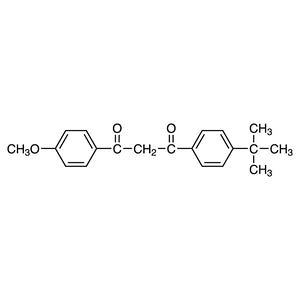
Avobenzone TCI B3382
Regular price From Rp 928.200,00Regular priceRp 664.650,00Sale price From Rp 928.200,00 -
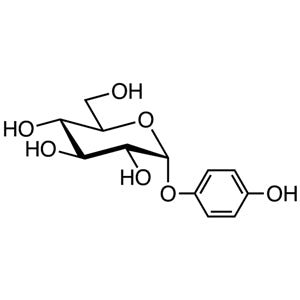
alpha-Arbutin TCI A3284
Regular price From Rp 1.696.800,00Regular priceRp 1.202.250,00Sale price From Rp 1.696.800,00 -
AsiaticAcid TCI A2475
Regular price Rp 3.445.050,00Regular priceRp 2.424.450,00Sale price Rp 3.445.050,00 -
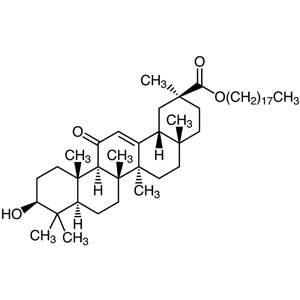
StearylGlycyrrhetinate TCI S0988
Regular price From Rp 1.483.650,00Regular priceRp 1.053.150,00Sale price From Rp 1.483.650,00