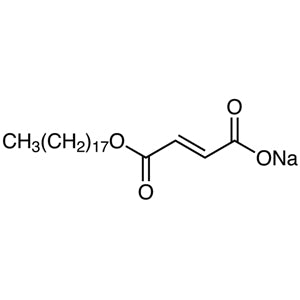
Stearyl Glycyrrhetinate is a chemical compound widely used in pharmacological and biochemical research. It is a key reagent in experimental settings where the study of biological effects and molecular interactions is essential. This compound plays a crucial role in the formulation of pharmaceutical products due to its unique ability to act as an emulsifier and surfactant. Its presence in laboratory experiments helps in the development of drug delivery systems and the evaluation of compound behavior in different environments.
One of the main reasons Stearyl Glycyrrhetinate is preferred in laboratory settings is its solubility in organic solvents such as ethyl acetate and ethanol. This property makes it highly suitable for experiments requiring the dissolution of active compounds in specific media. Additionally, its chemical stability under controlled laboratory conditions ensures minimal degradation during storage and use, making it a reliable choice for researchers. The compound’s ability to interact with cell membranes also makes it valuable in studies related to anti-inflammatory and antiviral properties.
In Indonesian laboratories, Stearyl Glycyrrhetinate is commonly used in pharmaceutical and bio-pharmaceutical research. It is a key component in the development of drug formulations and is frequently employed by researchers to explore the biological effects of various compounds. Its versatility and reliability have made it a standard reagent in many experimental protocols, supporting both academic and industrial research efforts.
TCI brochures (PDF)
- Terpenes 2025-09-22 · p. 9
- Pharmaceutical Ingredients for Research and Experimental Use 2026-03-09 · p. 50
- Reagents for Biological Research 2025-03-11 · p. 50
- Pharmaceutical Research: Stearyl Glycyrrhetinate is used to develop drug formulations due to its emulsifying properties and compatibility with various solvents.
- Anti-inflammatory Studies: The compound’s ability to interact with cell membranes makes it ideal for investigating inflammatory responses and therapeutic effects.
- Antiviral Research: It is utilized in experiments that explore the potential of compounds to inhibit viral activity and enhance immune responses.
- Drug Delivery Systems: Its surfactant properties aid in the creation of stable and effective drug delivery mechanisms for experimental testing.
- Biochemical Analysis: It supports the study of molecular interactions and biological effects in controlled laboratory environments.
| Brand | TCI |
|---|---|
| CAS number | 13832-70-7 |
| Molecular formula | — |
| Purity | — |
| Category | Life Science > Biochemicals and Reagents > Pharmaceutical Research Reagents |
| Pack sizes | Available in standard laboratory quantities |
| Physical form | Solid powder |
| Storage | Store in a cool, dry place away from direct sunlight |
Stearyl Glycyrrhetinate should be stored in a cool, dry place, away from direct sunlight and sources of heat. It is recommended to use airtight containers to prevent moisture absorption and maintain its chemical integrity. Due to its organic nature, it is important to handle the compound with appropriate personal protective equipment, such as gloves and safety goggles, to ensure laboratory safety. Proper ventilation should be maintained when working with this reagent to minimize exposure. Its stability under controlled conditions makes it suitable for long-term storage, provided it is kept in optimal environmental conditions. Regular inspection of storage containers is advised to ensure no contamination or degradation occurs over time.
—
Product Categories
- Biochemicals and ReagentsPharmaceutical Research Reagents (for Experimental Use)Cosmetic Research Reagents (for Experimental Use)
- Biochemicals and ReagentsTerpenesTriterpenes
- Pharmaceutical Development and Drug Discovery ResearchPharmaceutical Research Reagents (for Experimental Use)Cosmetic Research Reagents (for Experimental Use)
Produk Terkait
-
GlycyrrheticAcid TCI G0149
Regular price From Rp 637.350,00Regular priceRp 460.950,00Sale price From Rp 637.350,00 -
AsiaticAcid TCI A2475
Regular price Rp 3.445.050,00Regular priceRp 2.424.450,00Sale price Rp 3.445.050,00 -
StearylAcrylate(stabilizedwithMEHQ) TCI A1011
Regular price From Rp 505.050,00Regular priceRp 352.800,00Sale price From Rp 505.050,00 -
SodiumStearylFumarate TCI S0879
Regular price From Rp 1.298.850,00Regular priceRp 924.000,00Sale price From Rp 1.298.850,00 -
StearylMethacrylate(stabilizedwithMEHQ) TCI M0593
Regular price From Rp 557.550,00Regular priceRp 389.550,00Sale price From Rp 557.550,00 -
StearylGallate TCI G0019
Regular price Rp 2.306.850,00Regular priceRp 1.628.550,00Sale price Rp 2.306.850,00 -
Stearyl3-(3,5-Di-tert-butyl-4-hydroxyphenyl)propionate TCI D1644
Regular price From Rp 769.650,00Regular priceRp 553.350,00Sale price From Rp 769.650,00 -
3-Chloro-2-methyl-1-propene(stabilizedwithStearyl3-(3,5-Di-tert-butyl-4-hydroxyphenyl)propionate) TCI C0209
Regular price From Rp 505.050,00Regular priceRp 352.800,00Sale price From Rp 505.050,00