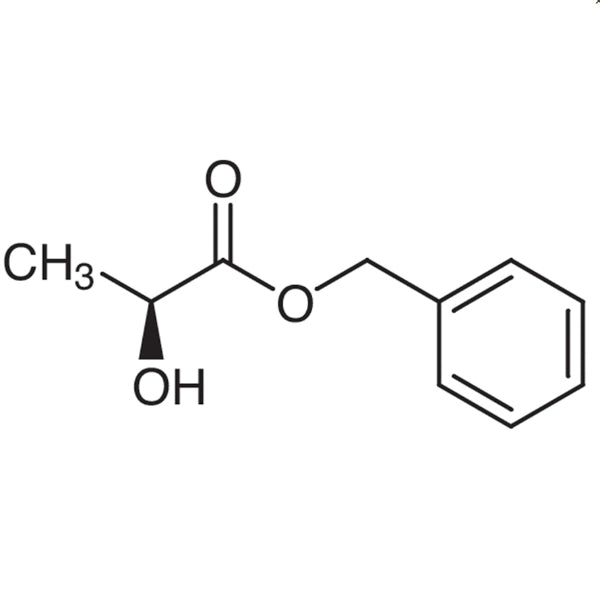
Benzyl (S)-(-)-Lactate is the benzyl ester of lactic acid in the S configuration, the form related to naturally occurring L-lactic acid. The molecule combines three important features at once: a defined stereogenic centre, a secondary hydroxyl group ready for modification, and a benzyl ester protecting group on the carboxylate terminus. In the asymmetric synthesis laboratory, this compound serves as a chiral building block that allows chemists to introduce a single-configuration lactate unit into target molecules without having to work through time-consuming racemate resolution steps.
Its principal advantage lies in the choice of the benzyl protecting group. Unlike methyl or ethyl esters, which require basic or acidic hydrolysis, the benzyl ester can be removed under neutral conditions by hydrogenolysis over palladium on carbon, releasing the free acid and toluene without touching other functional groups that are sensitive to acidic or basic conditions. This orthogonal behaviour is especially valuable in the stepwise synthesis of complex molecules. The secondary hydroxyl group can be etherified, esterified, oxidised, or inverted in configuration through the Mitsunobu reaction, which broadens its synthetic flexibility considerably.
In Indonesian laboratories, this building block is typically used in university and institutional research groups working on asymmetric synthesis, medicinal chemistry, and natural product chemistry, as well as in industrial research units developing chiral intermediates. It suits work where a single-enantiomer lactate fragment must be carried through several protection and deprotection stages, and where the neutral removal of the ester at the end of the sequence keeps other sensitive groups in the molecule intact.
TCI brochures (PDF)
- Chiral Building Blocks 2025-04-14 · p. 9
Related TCI products
- Chiral building block installation: introduces a stereodefined lactate unit directly into a target skeleton, removing the need for a separate and time-consuming racemate resolution stage.
- Orthogonal protecting group strategy: the benzyl ester withstands many reaction conditions and is later cleaved by neutral hydrogenolysis over palladium on carbon without disturbing acid- or base-sensitive functionality.
- Mitsunobu inversion chemistry: the free secondary hydroxyl group allows chemists to invert the configuration at the stereocentre, giving controlled access to the opposite stereochemical series from one starting material.
- Hydroxyl group derivatisation: the secondary alcohol can be etherified, esterified, or oxidised, so a single building block supports many different downstream fragments in one synthetic programme.
- Stepwise synthesis of complex molecules: the combination of a defined stereocentre and a removable ester terminus makes it well suited to multi-step routes toward medicinal and natural product targets.
| Brand | TCI |
|---|---|
| CAS number | 56777-24-3 |
| Molecular formula | — |
| Purity | — |
| Category | Chemistry > Asymmetric Synthesis > Chiral Building Blocks |
| Pack sizes | available in standard TCI research pack sizes; please confirm the packing option when ordering |
| Physical form | — |
| Storage | store according to the conditions stated on the manufacturer's label and safety data sheet |
- Catalogue number: L0161
Store the container tightly closed in a cool, dry, well-ventilated place, away from direct sunlight, heat sources, and incompatible materials, following the conditions given on the manufacturer's label and safety data sheet. Keep the material in its original supplier container, or in a chemically compatible sealed glass container that is clearly labelled with the compound name and CAS number. Handle in a fume hood using safety glasses, gloves, and a laboratory coat. Avoid contact with skin and eyes and avoid breathing vapour. Close the container promptly after use to limit exposure to moisture, and consult the safety data sheet before handling, transferring, or disposing of the material.
—
Produk Terkait
-
MethylL-(-)-Lactate TCI L0163
Regular price From Rp 795.900,00Regular price -
EthylL-(-)-Lactate TCI L0162
Regular price From Rp 505.050,00Regular price -
MethylD-(+)-Lactate TCI L0136
Regular price From Rp 1.115.100,00Regular price -
Benzyl(S)-(+)-GlycidylEther TCI B2239
Regular price From Rp 530.250,00Regular price -
Benzyl(R)-(-)-GlycidylEther TCI B2238
Regular price From Rp 530.250,00Regular price -
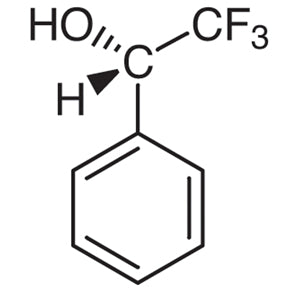
(S)-(+)-alpha-(Trifluoromethyl)benzylAlcohol TCI P1368
Regular price Rp 6.651.750,00Regular price -
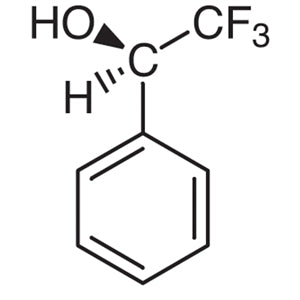
(R)-(-)-alpha-(Trifluoromethyl)benzylAlcohol TCI P1367
Regular price Rp 6.916.350,00Regular price -
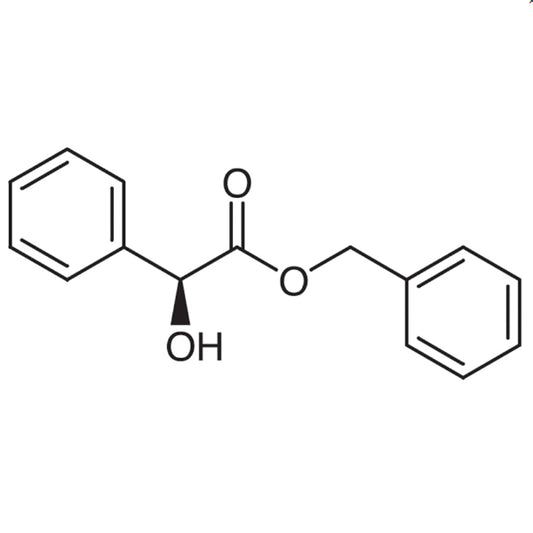
BenzylL-(+)-Mandelate TCI M1355
Regular price From Rp 928.200,00Regular price