TCI L0337 183499-56-1 L-778123 Dihydrochloride is a chemical compound widely used in pharmacological and biochemical research. As a pharmaceutical research reagent, it plays a crucial role in experimental settings by enabling scientists to study the mechanisms of drug action and molecular interactions within biological systems. Its presence in laboratory experiments allows for the accurate assessment of biological activity and the development of new therapeutic agents. This compound is essential for researchers aiming to understand how substances interact with living organisms at the molecular level.
The compound's chemical stability under specific conditions makes it a preferred choice for long-term storage and use in research. It exhibits good solubility in organic solvents, which simplifies its application in various experimental procedures. These properties ensure consistent results and reliability in laboratory settings, making it a valuable tool for both academic and industrial research. Its ability to maintain chemical integrity over time enhances its utility in repeated experiments and large-scale studies.
In Indonesian laboratories, TCI L0337 is commonly used in scientific research related to pharmacology, biochemistry, and health sciences. It is a key component in studies aimed at developing new drugs or understanding the effects of specific compounds on the human body. Many research institutions and universities rely on this compound to support their experimental work and contribute to advancements in medical science.
TCI brochures (PDF)
- Antitumor Molecular-Targeted Agents 2026-09-17 · p. 1
- Antimicrobials and Antitumor Agents for Research and Experimental Use 2025-04-24 · p. 17
- Pharmaceutical Ingredients for Research and Experimental Use 2026-03-09 · p. 18
Related TCI products
- Pharmacological research for studying drug mechanisms and molecular interactions in biological systems.
- Biochemical experiments to analyze the effects of compounds on cellular processes and enzyme activity.
- Drug development studies to evaluate the efficacy and safety of potential therapeutic agents.
- Molecular biology research for investigating receptor-ligand interactions and signal transduction pathways.
- Toxicology studies to assess the impact of chemical substances on living organisms at the cellular and tissue levels.
| Brand | TCI |
|---|---|
| CAS number | 183499-56-1 |
| Molecular formula | — |
| Purity | — |
| Category | Life Science > Biochemicals and Reagents > Pharmaceutical Research Reagents |
| Pack sizes | — |
| Physical form | — |
| Storage | Store in a cool, dry place away from direct sunlight |
This compound should be stored in a cool, dry place, away from direct sunlight and sources of heat. It is recommended to use airtight containers to prevent moisture absorption and contamination. Due to its chemical stability, it does not require refrigeration under normal laboratory conditions. However, it is important to handle it with care, using appropriate personal protective equipment when necessary. Avoid exposure to incompatible substances and ensure proper ventilation in the workspace to maintain a safe laboratory environment. Always follow standard safety protocols when working with chemical reagents to minimize risks and ensure compliance with laboratory safety standards.
—
Product Categories
Produk Terkait
-
MitoxantroneDihydrochloride TCI M3110
Regular price From Rp 1.724.100,00Regular price -
TrifluoperazineDihydrochloride TCI T2849
Regular price From Rp 2.094.750,00Regular price -
TiloroneDihydrochloride TCI T2836
Regular price From Rp 1.035.300,00Regular price -
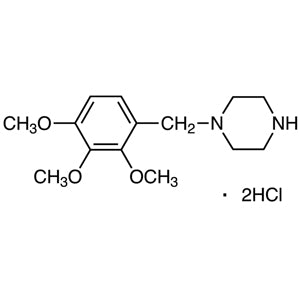
TrimetazidineDihydrochloride TCI T2726
Regular price From Rp 1.485.750,00Regular price -
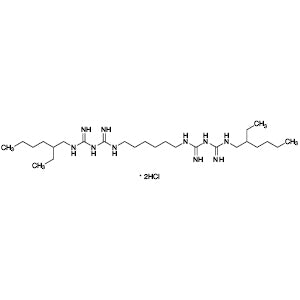
AlexidineDihydrochloride TCI A3389
Regular price From Rp 1.936.200,00Regular price -
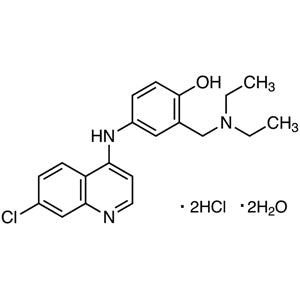
AmodiaquineDihydrochlorideDihydrate TCI A3133
Regular price From Rp 823.200,00Regular price -
SpectinomycinDihydrochloridePentahydrate TCI S0584
Regular price Rp 1.988.700,00Regular price -
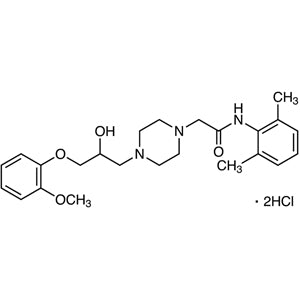
RanolazineDihydrochloride TCI R0112
Regular price From Rp 2.359.350,00Regular price