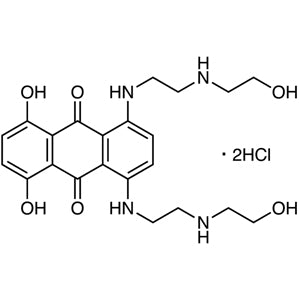
TCI M3110 Mitoxantrone Dihydrochloride is a pharmaceutical research reagent belonging to the anthracenedione class, widely used in cellular and molecular studies of how anticancer drugs exert their effects. The compound is known to intercalate between DNA base pairs while simultaneously interfering with the activity of topoisomerase II, producing DNA strand damage and halting cell division. In the laboratory it serves as a reference compound for investigating DNA damage response pathways, drug resistance mechanisms, and for benchmarking the potency of new candidate compounds against a well-established standard. This product is intended strictly for experimental purposes and is not for human use.
The dihydrochloride salt form is the principal reason researchers select this presentation, because it offers substantially better solubility in aqueous media than the corresponding free base, allowing stock solutions to be prepared without relying entirely on organic solvents. The compound also possesses a characteristic deep blue colour together with fluorescent properties, a practical advantage that makes it easier for researchers to observe its uptake and distribution inside cells using microscopy or flow cytometry. Together, these attributes make the material convenient to handle, straightforward to visualise, and well suited to quantitative experimental work where consistent behaviour of the reference compound matters.
Within Indonesian laboratories, this reagent is typically found in university research groups, pharmacology and biomedical departments, and institutional research centres engaged in cell-based drug mechanism studies. It is commonly used in cell culture facilities alongside viability assays, imaging platforms, and flow cytometry instrumentation. Pack sizes of 25 mg and 100 mg provide flexibility, letting smaller academic groups purchase a quantity matched to a single project while larger facilities running extended screening programmes can select the bigger presentation.
TCI brochures (PDF)
- Antimicrobials and Antitumor Agents for Research and Experimental Use 2025-04-24 · p. 16
- Pharmaceutical Ingredients for Research and Experimental Use 2026-03-09 · p. 17
- DNA intercalation studies: the compound inserts between DNA base pairs, making it a dependable model agent for experiments examining how intercalating molecules distort duplex structure and affect downstream processes.
- Topoisomerase II mechanism research: because it interferes directly with topoisomerase II activity, it is well suited to enzymatic and cell-based assays probing how this enzyme target is disrupted.
- DNA damage response investigation: the strand damage it induces gives researchers a reproducible way to trigger and then monitor cellular repair signalling and checkpoint activation pathways.
- Drug resistance mechanism studies: as an established anticancer reference agent, it is routinely applied in work characterising how resistant cell lines evade cytotoxic compounds over time.
- Comparative potency benchmarking: new candidate compounds are frequently evaluated against this well-characterised standard, allowing laboratories to place novel results in a recognised and comparable context.
| Brand | TCI |
|---|---|
| CAS number | 70476-82-3 |
| Molecular formula | — |
| Purity | — |
| Category | Life Science > Biochemicals and Reagents > Pharmaceutical Research Reagents (for Experimental Use) |
| Pack sizes | 25 mg and 100 mg |
| Physical form | deep blue coloured compound with fluorescent properties; dihydrochloride salt form |
| Storage | — |
- Intended use: experimental and research purposes only, not for human use
Store the reagent in its original tightly closed container, protected from light given the compound's coloured and fluorescent nature, and keep it in a cool, dry location away from moisture. Amber glass vials or light-protected containers are appropriate for prepared stock solutions, which should be clearly labelled with concentration and preparation date. Because this is a pharmaceutical research reagent for experimental use only, handle it inside a fume hood or biological safety cabinet as your institutional protocol requires, wearing gloves, a laboratory coat, and eye protection. Avoid generating dust when weighing the solid, and dispose of residues and contaminated consumables through your laboratory's designated chemical waste stream.
—
Product Categories
Produk Terkait
-
Mitoxantrone TCI M3133
Regular price From Rp 2.782.500,00Regular price -
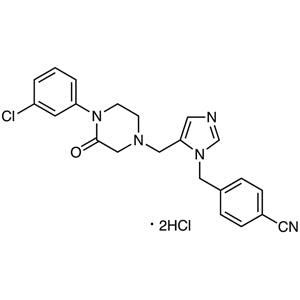
L-778123Dihydrochloride TCI L0337
Regular price From Rp 5.883.150,00Regular price -
TrifluoperazineDihydrochloride TCI T2849
Regular price From Rp 2.094.750,00Regular price -
TiloroneDihydrochloride TCI T2836
Regular price From Rp 1.035.300,00Regular price -
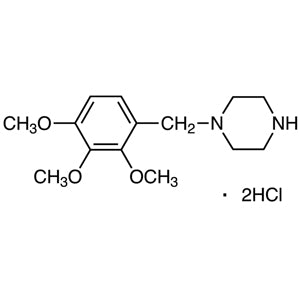
TrimetazidineDihydrochloride TCI T2726
Regular price From Rp 1.485.750,00Regular price -
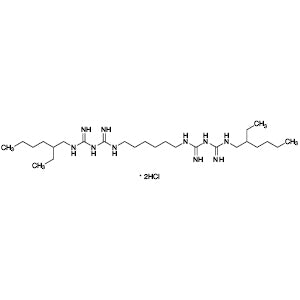
AlexidineDihydrochloride TCI A3389
Regular price From Rp 1.936.200,00Regular price -
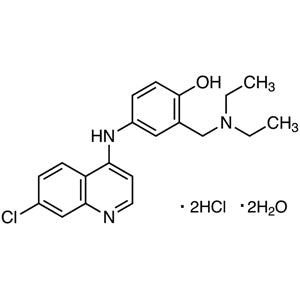
AmodiaquineDihydrochlorideDihydrate TCI A3133
Regular price From Rp 823.200,00Regular price -
SpectinomycinDihydrochloridePentahydrate TCI S0584
Regular price Rp 1.988.700,00Regular price