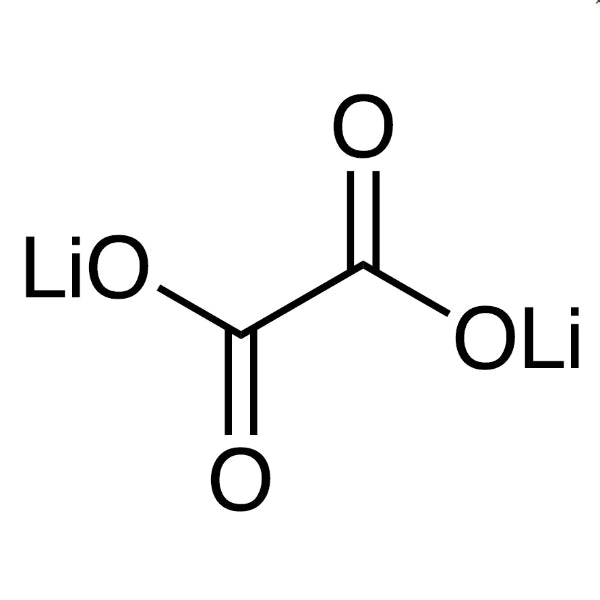

Lithium Oxalate (Li₂C₂O₄), with the CAS number 553-91-3, is a chemical compound commonly used in laboratory experiments. It is a solid substance that plays a vital role in various chemical processes, particularly in redox reactions and organic synthesis. Its chemical stability makes it a reliable reagent for laboratory applications where controlled reactivity is essential. Lithium Oxalate is also used as an auxiliary material in quantitative analysis due to its predictable solubility and crystalline structure, which facilitates accurate measurement and handling.
One of the key properties that make Lithium Oxalate a preferred choice is its ability to interact with metal ions and other compounds, enabling it to participate in a wide range of chemical reactions. Its crystalline structure and predictable solubility allow for consistent performance in laboratory settings, ensuring reliable results. Additionally, its chemical inertness under normal conditions contributes to its stability, making it suitable for use in both educational and research environments. These characteristics make it a valuable component in laboratory work requiring precision and consistency.
In Indonesian laboratories, Lithium Oxalate is widely utilized in chemistry, engineering, and materials science programs. It is commonly found in basic chemistry experiments as well as in more advanced research projects. Its role in both teaching and research underscores its importance in the scientific community, particularly in institutions focused on chemical and material sciences. Its availability and reliability make it a standard reagent in many laboratory setups across Indonesia.
TCI brochures (PDF)
- Lithium Compounds for Research and Experimental Use 2026-02-10 · p. 2
Related TCI products
- TCI A5303 16536-30-4 Bis(2,4-dinitrophenyl) Oxalate [Chemiluminescence reagent for the determination of fluorescent compounds by HPLC and FIA]
- TCI A5302 1165-91-9 Bis(2,4,6-trichlorophenyl) Oxalate [Chemiluminescence reagent for the determination of fluorescent compounds]
- TCI A5100 2437-29-8 Malachite Green, Oxalate [Sensitive spectrophotometric reagent for PO4]
- TCI O0236 30431-54-0 Bis[3,4,6-trichloro-2-(pentyloxycarbonyl)phenyl] Oxalate
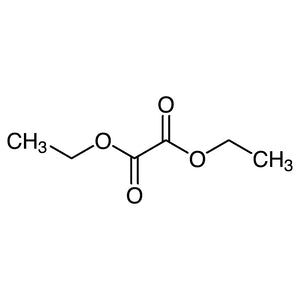
- TCI O0120 95-92-1 Diethyl Oxalate [for Spectrophotometry]
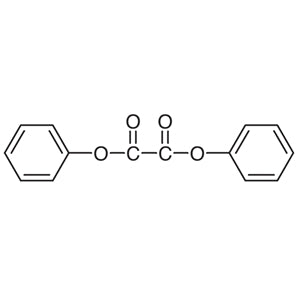
- TCI O0111 3155-16-6 Diphenyl Oxalate
- Redox Reactions: Lithium Oxalate is ideal for redox experiments due to its ability to donate electrons and participate in oxidation-reduction processes.
- Organic Synthesis: It serves as a reagent in the synthesis of organic compounds, particularly in reactions involving metal ion coordination and functional group transformations.
- Quantitative Analysis: Its predictable solubility and crystalline structure make it suitable for use in analytical procedures requiring precise measurements and reproducible results.
- Metal Ion Studies: Lithium Oxalate is used to study interactions with metal ions, aiding in the investigation of complexation and precipitation reactions.
- Educational Demonstrations: It is commonly used in classroom settings to illustrate chemical reactions and properties, providing students with hands-on learning experiences.
| Brand | TCI |
|---|---|
| CAS number | 553-91-3 |
| Molecular formula | — |
| Purity | — |
| Category | TCI |
| Pack sizes | Available in various quantities as per standard laboratory supply specifications |
| Physical form | Solid |
| Storage | Store in a cool, dry place away from moisture and direct sunlight |
Lithium Oxalate should be stored in a cool, dry place, away from moisture and direct sunlight to maintain its chemical stability. It is recommended to use airtight containers to prevent exposure to humidity, which could affect its crystalline structure and solubility properties. While it is not considered toxic under normal conditions, direct contact with skin or eyes should be avoided. In laboratory settings, proper personal protective equipment, such as gloves and safety goggles, should be worn when handling this material. It is important to ensure that storage areas are well-ventilated to minimize any potential risk of inhalation. These precautions help ensure the safe and effective use of Lithium Oxalate in both educational and research environments.
—
Produk Terkait
-
Bis(2,4-dinitrophenyl)Oxalate[ChemiluminescencereagentforthedeterminationoffluorescentcompoundsbyHPLCandFIA] TCI A5303
Regular price From Rp 1.590.750,00Regular price -
Bis(2,4,6-trichlorophenyl)Oxalate[Chemiluminescencereagentforthedeterminationoffluorescentcompounds] TCI A5302
Regular price From Rp 1.167.600,00Regular price -
MalachiteGreen,Oxalate[SensitivespectrophotometricreagentforPO4] TCI A5100
Regular price Rp 2.332.050,00Regular price -
Bis[3,4,6-trichloro-2-(pentyloxycarbonyl)phenyl]Oxalate TCI O0236
Regular price From Rp 2.199.750,00Regular price -
DiethylOxalate[forSpectrophotometry] TCI O0120
Regular price Rp 2.730.000,00Regular price -
DiphenylOxalate TCI O0111
Regular price From Rp 2.597.700,00Regular price -
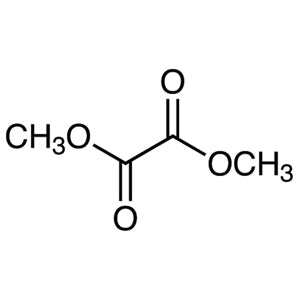
DimethylOxalate TCI O0080
Regular price From Rp 530.250,00Regular price -
DiethylOxalate TCI O0078
Regular price From Rp 505.050,00Regular price
![16536-30-4 Bis(2,4-dinitrophenyl) Oxalate [Chemiluminescence reagent for the determination of fluorescent compounds by HPLC and FIA] - AMI Scientific](http://amiscientific.com/cdn/shop/files/TCI2510A5303.jpg?v=1768815050&width=533)
![16536-30-4 Bis(2,4-dinitrophenyl) Oxalate [Chemiluminescence reagent for the determination of fluorescent compounds by HPLC and FIA] - AMI Scientific](http://amiscientific.com/cdn/shop/files/TCI2510A5303_e38cc271-c9be-4892-82fe-8b8b7d17527b.jpg?v=1769055185&width=533)
![1165-91-9 Bis(2,4,6-trichlorophenyl) Oxalate [Chemiluminescence reagent for the determination of fluorescent compounds] - AMI Scientific](http://amiscientific.com/cdn/shop/files/TCI2510A5302.jpg?v=1769141511&width=533)
![2437-29-8 Malachite Green, Oxalate [Sensitive spectrophotometric reagent for PO4] - AMI Scientific](http://amiscientific.com/cdn/shop/files/TCI2510A5100.jpg?v=1767084843&width=533)
![30431-54-0 Bis[3,4,6-trichloro-2-(pentyloxycarbonyl)phenyl] Oxalate - AMI Scientific](http://amiscientific.com/cdn/shop/files/TCI2510O0236.jpg?v=1767131634&width=533)
![95-92-1 Diethyl Oxalate [for Spectrophotometry] - AMI Scientific](http://amiscientific.com/cdn/shop/files/TCI2510O0120.jpg?v=1767131409&width=533)