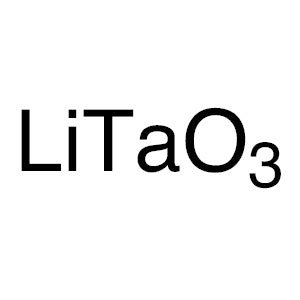
Lithium Tantalate (LiTaO₃), with the CAS number 12031-66-2, is an inorganic compound known for its complex crystalline structure and remarkable dielectric properties. This material plays a crucial role in laboratory settings, particularly in electrochemical and materials research. Its unique characteristics make it an essential component for advanced scientific studies, especially in the development of optical devices and sensors. As a rare earth compound, it is highly valued for its ability to contribute to the synthesis of complex compounds and the investigation of thermal and electrical properties.
The high purity of Lithium Tantalate, with trace metals content minimized, ensures its suitability for applications requiring precision and reliability. Its chemical and physical stability under various conditions further enhances its appeal in laboratory environments. The material’s resistance to reacting with other chemicals makes it safe and reliable for daily use in research settings. This stability and inertness are key factors in its widespread adoption in both academic and industrial laboratories.
In Indonesian laboratories, Lithium Tantalate is commonly used in material science and electrochemical research. It is also found in the manufacturing of electronic devices and sensors. Due to its high purity and consistent performance, it is highly sought after by researchers and industrial professionals working in these fields. Its versatility and reliability make it a preferred choice for a wide range of scientific applications.
TCI brochures (PDF)
- Lithium Compounds for Research and Experimental Use 2026-02-10 · p. 1
- Metallic Salts 2025-11-06 · p. 14
Related TCI products
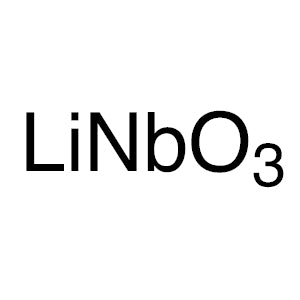
- TCI L0376 12031-63-9 Lithium Niobate (9999%, trace metals basis)
- TCI L0212 10377-51-2 Lithium Iodide (999%, trace metals basis) (Low water content)
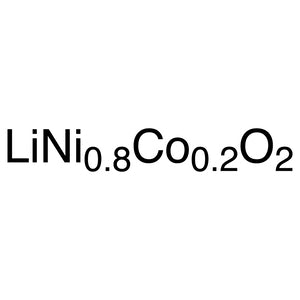
- TCI L0415 113066-89-0 Lithium Nickel Cobalt Oxide (LiNi08Co02O2)
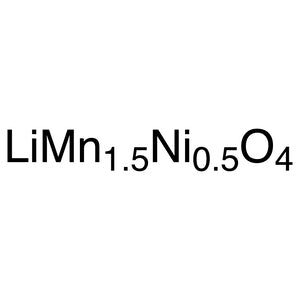
- TCI L0391 12031-75-3 Lithium Manganese Nickel Oxide (LiMn15Ni05O4)
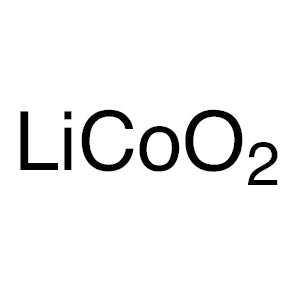
- TCI L0384 12190-79-3 Lithium Cobalt(III) Oxide
- TCI T4019 1317-80-2 Titanium(IV) Oxide, Rutile (999%, trace metals basis)
- Electrochemical research utilizes Lithium Tantalate for its dielectric properties, enabling precise control in energy storage and conversion experiments.
- Material science studies benefit from Lithium Tantalate due to its structural complexity, aiding in the development of advanced optical and electronic materials.
- Sensor development leverages the compound's stability and response characteristics, making it ideal for creating high-precision detection systems.
- Thermal and electrical property analysis relies on Lithium Tantalate for its consistent performance under varying conditions, supporting accurate data collection.
- Industrial applications in electronic manufacturing use Lithium Tantalate for its role in creating durable and efficient components for advanced devices.
| Brand | TCI |
|---|---|
| CAS number | 12031-66-2 |
| Molecular formula | — |
| Purity | — |
| Category | Chemistry > Catalysis and Inorganic Chemistry > Metallic Salts |
| Pack sizes | Available in various quantities as per standard laboratory requirements |
| Physical form | Solid powder |
| Storage | Store in a cool, dry place away from moisture and direct sunlight |
Lithium Tantalate should be stored in a cool, dry environment to maintain its chemical stability and prevent degradation. It is recommended to use airtight containers to protect it from moisture and contaminants. Due to its inert nature, it does not react readily with other substances, but standard laboratory safety protocols should still be followed. The material is non-hazardous under normal conditions, but care should be taken to avoid exposure to extreme temperatures. Proper labeling and storage in designated chemical cabinets ensure safe handling and long-term preservation of the compound.
—
Product Categories
Produk Terkait
-
LithiumNiobate(9999%,tracemetalsbasis) TCI L0376
Regular price From Rp 1.405.950,00Regular price -
LithiumIodide(999%,tracemetalsbasis)(Lowwatercontent) TCI L0212
Regular price From Rp 1.565.550,00Regular price -
LithiumNickelCobaltOxide(LiNi08Co02O2) TCI L0415
Regular price From Rp 1.829.100,00Regular price -
LithiumManganeseNickelOxide(LiMn15Ni05O4) TCI L0391
Regular price From Rp 3.155.250,00Regular price -
LithiumCobalt(III)Oxide TCI L0384
Regular price From Rp 1.829.100,00Regular price -
Titanium(IV)Oxide,Rutile(999%,tracemetalsbasis) TCI T4019
Regular price From Rp 1.696.800,00Regular price -
Titanium(IV)Oxide,Rutile(9999%,tracemetalsbasis) TCI T4018
Regular price From Rp 3.419.850,00Regular price -
LithiumBis(trifluoromethanesulfonyl)imide TCI B2542
Regular price From Rp 1.431.150,00Regular price