TCI L0212 Lithium Iodide is a lithium halide salt supplied in a specialised grade, prepared on a trace metals basis and with low water content. Both of these characteristics matter because the salt's principal uses lie in fields that are highly sensitive to impurities, including battery research, dye-sensitised solar cells, and solid electrolytes. In the laboratory, this salt serves as a source of iodide ions and at the same time acts as a carrier of lithium ions, making it a key component in the preparation of electrolyte solutions that demand a high degree of purity and dryness.
The properties that lead researchers to select this material begin with its very high solubility in both water and polar organic solvents, which allows highly concentrated electrolytes to be prepared without difficulty. The iodide ion is also an effective nucleophile, so the salt is used in deprotection reactions such as the cleavage of methyl esters and methyl ethers under appropriate conditions. The trace metals basis grade provides assurance that metallic impurity content has been suppressed as far as possible, a point that carries considerable weight in electrochemical research where trace metals can measurably alter cell behaviour. The low water content further helps maintain the stability of systems that are intolerant of moisture.
In Indonesian laboratories, this material fits naturally into university and institutional research programmes working on energy storage and photovoltaic materials, where electrolyte formulation work requires reagents of dependable purity. It is equally at home in synthetic organic chemistry groups that need a reliable iodide source for selective deprotection steps. Because the grade is defined by controlled metal impurities and controlled moisture, it suits groups whose results would otherwise be obscured by variability in the reagent itself.
TCI brochures (PDF)
- Lithium Compounds for Research and Experimental Use 2026-02-10 · p. 1
- Battery Research Reagents 2026-09-18 · p. 3
- Metallic Salts 2025-11-06 · p. 5
Related TCI products
- TCI L0210 7550-35-8 Lithium Bromide
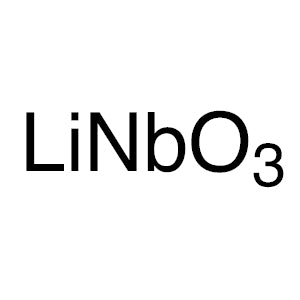
- TCI L0376 12031-63-9 Lithium Niobate (9999%, trace metals basis)
- TCI L0373 12031-66-2 Lithium Tantalate (9999%, trace metals basis)
- TCI L0364 12136-58-2 Lithium Sulfide
- TCI L0420 176719-70-3 Lithium [(Nonafluorobutyl)sulfonyl][(trifluoromethyl)sulfonyl]azanide
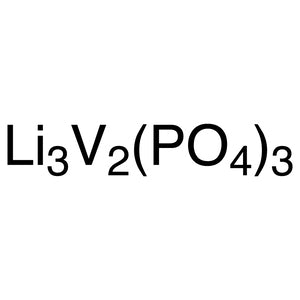
- TCI L0417 84159-18-2 Lithium Vanadium Phosphate (Li3V2(PO4)3)
- Battery research electrolyte preparation: the trace metals basis grade keeps metallic impurities low, which matters because trace metals can measurably change the electrochemical behaviour of a cell under study.
- Dye-sensitised solar cell fabrication: the salt supplies iodide ions for the redox electrolyte while its low water content protects device systems that do not tolerate moisture well.
- Solid electrolyte development: it delivers lithium ions together with iodide in a single high-purity salt, supporting formulation work where both ionic species are required at controlled purity.
- Preparation of concentrated electrolyte solutions: very high solubility in water and in polar organic solvents allows researchers to reach high working concentrations without solubility limiting the formulation.
- Deprotection reactions in organic synthesis: the iodide ion acts as a good nucleophile, enabling cleavage of methyl esters and methyl ethers under appropriate reaction conditions.
| Brand | TCI |
|---|---|
| CAS number | 10377-51-2 |
| Molecular formula | — |
| Purity | — |
| Category | Chemistry > Catalysis and Inorganic Chemistry > Main-group Elements [Catalysis and Inorganic Chemistry] |
| Pack sizes | please refer to the product listing for available packaging options |
| Physical form | — |
| Storage | keep tightly closed in a dry place, protected from moisture |
- Grade: trace metals basis, low water content
- Form: solid salt (lithium halide)
Store the container tightly closed in a cool, dry area away from moisture, since the low water content that defines this grade is easily compromised by exposure to humid laboratory air. Original supplier packaging or a comparable tightly sealed, chemically compatible container is preferred, and handling inside a glove box or under an inert atmosphere is advisable when the material is destined for electrolyte or electrochemical work. Weigh and transfer promptly, reseal immediately after use, and use clean, dry spatulas and glassware to avoid introducing water or metallic contamination. Wear standard personal protective equipment, including safety glasses, gloves, and a laboratory coat, work in a well-ventilated area or fume hood, and consult the manufacturer's safety data sheet before use.
—
Product Categories
- Catalysis and Inorganic ChemistryMain-group Elements [Catalysis and Inorganic Chemistry]Lithium [Catalysis and Inorganic Chemistry]
- Catalysis and Inorganic ChemistryMetallic Salts [Catalysis and Inorganic Chemistry]Iodide Salts [Metallic Salts]
- Synthetic ReagentsAcids, Bases [Synthetic Reagents]Acids [Synthetic Reagents]
- Synthetic ReagentsInorganic Salts [Synthetic Reagents]
Produk Terkait
-
LithiumBromide TCI L0210
Regular price Rp 689.850,00Regular priceRp 481.950,00Sale price Rp 689.850,00 -
LithiumNiobate(9999%,tracemetalsbasis) TCI L0376
Regular price From Rp 1.405.950,00Regular priceRp 982.800,00Sale price From Rp 1.405.950,00 -
LithiumTantalate(9999%,tracemetalsbasis) TCI L0373
Regular price From Rp 1.829.100,00Regular priceRp 1.278.900,00Sale price From Rp 1.829.100,00 -
LithiumSulfide TCI L0364
Regular price From Rp 2.491.650,00Regular priceRp 1.741.950,00Sale price From Rp 2.491.650,00 -
Lithium[(Nonafluorobutyl)sulfonyl][(trifluoromethyl)sulfonyl]azanide TCI L0420
Regular price From Rp 3.392.550,00Regular priceRp 2.387.700,00Sale price From Rp 3.392.550,00 -
LithiumVanadiumPhosphate(Li3V2(PO4)3) TCI L0417
Regular price From Rp 3.683.400,00Regular priceRp 2.575.650,00Sale price From Rp 3.683.400,00 -
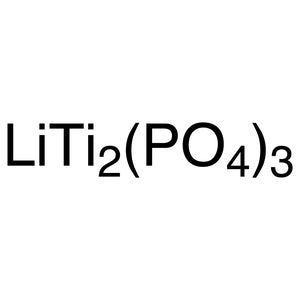
LithiumTitaniumPhosphate(LiTi2(PO4)3) TCI L0416
Regular price From Rp 3.870.300,00Regular priceRp 2.705.850,00Sale price From Rp 3.870.300,00 -
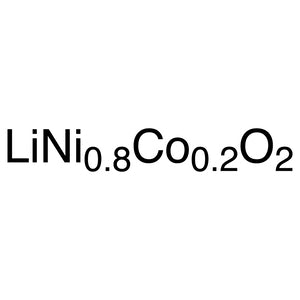
LithiumNickelCobaltOxide(LiNi08Co02O2) TCI L0415
Regular price From Rp 1.829.100,00Regular priceRp 1.278.900,00Sale price From Rp 1.829.100,00





![TCI L0420 176719-70-3 Lithium [(Nonafluorobutyl)sulfonyl][(trifluoromethyl)sulfonyl]azanide](http://amiscientific.com/cdn/shop/files/TCI2510L0420_495d6d2d-c256-4908-a7a0-1af1a85a5651.jpg?v=1792646534&width=533)
![176719-70-3 Lithium [(Nonafluorobutyl)sulfonyl][(trifluoromethyl)sulfonyl]azanide - AMI Scientific](http://amiscientific.com/cdn/shop/files/TCI2510L0420.jpg?v=1767121891&width=533)