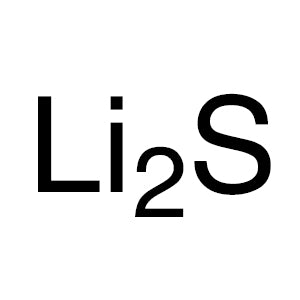
Lithium sulfide (Li₂S) is a chemical compound widely used in laboratory settings for its versatile applications in chemical reactions and synthesis processes. As a sulfide compound, it plays a crucial role in catalytic reactions, chemical synthesis, and material science research. Its reactivity makes it a valuable reagent for producing compounds with specific chemical properties. Lithium sulfide is commonly used in reduction and oxidation reactions, as well as in the formation of complex compounds. In the laboratory, it serves as a key component for generating other chemical substances with desired characteristics.
Lithium sulfide is a solid compound with a white color and a distinct odor. It is chemically reactive, particularly towards water and air, which necessitates careful handling. Its stability under controlled conditions makes it a preferred choice for various chemical experiments. The compound’s ability to participate in multiple reaction types, including redox and synthesis reactions, enhances its utility in both inorganic and organic chemistry. Its physical and chemical properties make it a reliable material for use in diverse experimental setups.
In Indonesian laboratories, lithium sulfide is frequently used in chemical research, especially in catalysis and organic synthesis. It is also employed in material science and inorganic chemistry studies. Its role in producing compounds with specific chemical properties makes it an essential reagent for researchers working in these fields. Due to its reactivity, it is often used in controlled environments to ensure safe and effective experimentation.
TCI brochures (PDF)
- Lithium Compounds for Research and Experimental Use 2026-02-10 · p. 1
- Battery Research Reagents 2026-09-18 · p. 3
- Metallic Salts 2025-11-06 · p. 7
Related TCI products
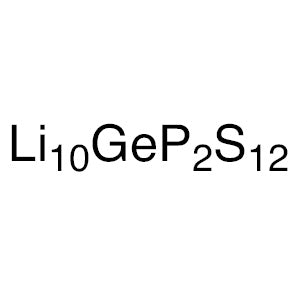
- TCI L0401 1333081-96-1 Lithium Germanium Phosphorus Sulfide (Li10GeP2S12)
- TCI L0212 10377-51-2 Lithium Iodide (999%, trace metals basis) (Low water content)
- TCI L0210 7550-35-8 Lithium Bromide
- TCI L0420 176719-70-3 Lithium [(Nonafluorobutyl)sulfonyl][(trifluoromethyl)sulfonyl]azanide
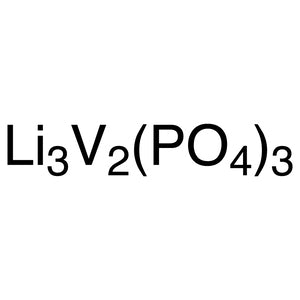
- TCI L0417 84159-18-2 Lithium Vanadium Phosphate (Li3V2(PO4)3)
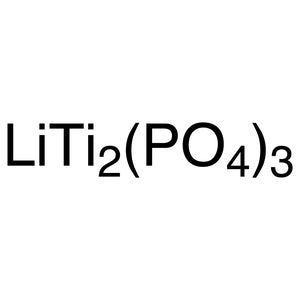
- TCI L0416 30622-39-0 Lithium Titanium Phosphate (LiTi2(PO4)3)
- Catalytic reactions benefit from lithium sulfide's ability to participate in redox processes, enhancing reaction efficiency and selectivity.
- Organic synthesis relies on lithium sulfide for its role in forming complex molecular structures through various chemical pathways.
- Inorganic chemistry experiments utilize lithium sulfide to produce compounds with unique chemical properties and structural characteristics.
- Material science research employs lithium sulfide in the development of new materials with specific functional properties.
- Chemical analysis procedures use lithium sulfide as a reagent for testing and characterizing other compounds in a controlled environment.
| Brand | TCI |
|---|---|
| CAS number | 12136-58-2 |
| Molecular formula | — |
| Purity | — |
| Category | Chemistry > Catalysis and Inorganic Chemistry > Main-group Elements |
| Pack sizes | — |
| Physical form | Solid |
| Storage | Keep in a dry, sealed container away from moisture and air |
Lithium sulfide should be stored in a dry, sealed container to prevent exposure to moisture and air, which can lead to unwanted reactions. It is recommended to use airtight containers made of inert materials such as glass or stainless steel to ensure chemical stability. Due to its reactivity, it should be handled in a well-ventilated area and away from incompatible substances. Laboratory personnel should wear appropriate personal protective equipment, including gloves and safety goggles, to minimize direct contact. Regular monitoring of storage conditions is essential to maintain the compound's integrity and ensure safe usage in experimental settings.
—
Product Categories
Produk Terkait
-
LithiumGermaniumPhosphorusSulfide(Li10GeP2S12) TCI L0401
Regular price From Rp 3.155.250,00Regular priceRp 2.206.050,00Sale price From Rp 3.155.250,00 -
LithiumIodide(999%,tracemetalsbasis)(Lowwatercontent) TCI L0212
Regular price From Rp 1.618.050,00Regular priceRp 1.146.600,00Sale price From Rp 1.618.050,00 -
LithiumBromide TCI L0210
Regular price Rp 689.850,00Regular priceRp 481.950,00Sale price Rp 689.850,00 -
Lithium[(Nonafluorobutyl)sulfonyl][(trifluoromethyl)sulfonyl]azanide TCI L0420
Regular price From Rp 3.392.550,00Regular priceRp 2.387.700,00Sale price From Rp 3.392.550,00 -
LithiumVanadiumPhosphate(Li3V2(PO4)3) TCI L0417
Regular price From Rp 3.683.400,00Regular priceRp 2.575.650,00Sale price From Rp 3.683.400,00 -
LithiumTitaniumPhosphate(LiTi2(PO4)3) TCI L0416
Regular price From Rp 3.870.300,00Regular priceRp 2.705.850,00Sale price From Rp 3.870.300,00 -
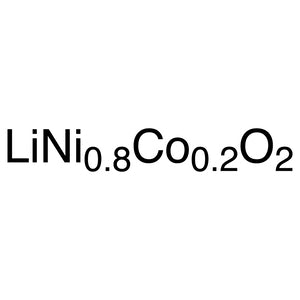
LithiumNickelCobaltOxide(LiNi08Co02O2) TCI L0415
Regular price From Rp 1.829.100,00Regular priceRp 1.278.900,00Sale price From Rp 1.829.100,00 -
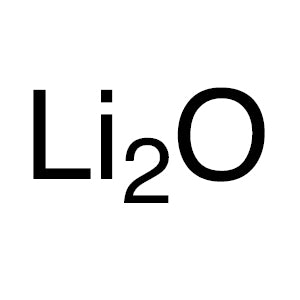
LithiumOxide TCI L0403
Regular price From Rp 1.298.850,00Regular priceRp 908.250,00Sale price From Rp 1.298.850,00





![TCI L0420 176719-70-3 Lithium [(Nonafluorobutyl)sulfonyl][(trifluoromethyl)sulfonyl]azanide](http://amiscientific.com/cdn/shop/files/TCI2510L0420_495d6d2d-c256-4908-a7a0-1af1a85a5651.jpg?v=1792646534&width=533)
![176719-70-3 Lithium [(Nonafluorobutyl)sulfonyl][(trifluoromethyl)sulfonyl]azanide - AMI Scientific](http://amiscientific.com/cdn/shop/files/TCI2510L0420.jpg?v=1767121891&width=533)