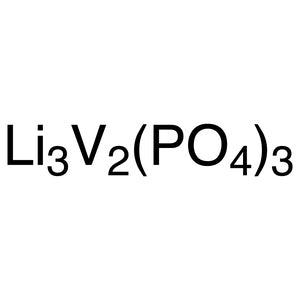
Lithium Vanadium Phosphate (Li3V2(PO4)3) is a chemical compound widely utilized in laboratory settings, particularly in the fields of catalysis and inorganic chemistry. This material plays a crucial role in various experimental processes, including the synthesis of complex compounds and the characterization of advanced materials. Its unique crystalline structure and promising electrical properties make it a valuable component in the development of lithium-ion batteries and composite materials. Due to its stability and reactivity, it is frequently employed in scientific research that requires precise chemical behavior and performance.
The compound is favored for its chemical stability under normal conditions and its ability to withstand oxidation and reduction processes. These properties ensure consistent performance in laboratory experiments, making it a reliable choice for researchers. Additionally, its reactivity with strong acids and bases allows for controlled chemical interactions, which are essential in many analytical and synthetic applications. The compound’s high purity and consistent quality further enhance its suitability for experiments requiring precision and reproducibility.
In Indonesian laboratories, Lithium Vanadium Phosphate is commonly used in material research, energy-related studies, and chemical characterization. Its application spans across both academic and industrial research, supporting advancements in battery technology and composite material development. The compound’s versatility and reliability make it a preferred choice for scientists and researchers working in diverse chemical disciplines.
TCI brochures (PDF)
- Lithium Compounds for Research and Experimental Use 2026-02-10 · p. 1
- Battery Research Reagents 2026-09-18 · p. 4
- Metallic Salts 2025-11-06 · p. 8
Related TCI products
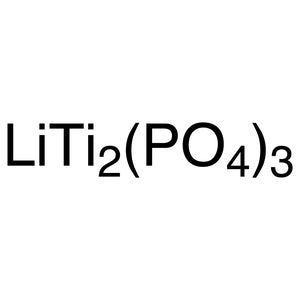
- TCI L0416 30622-39-0 Lithium Titanium Phosphate (LiTi2(PO4)3)
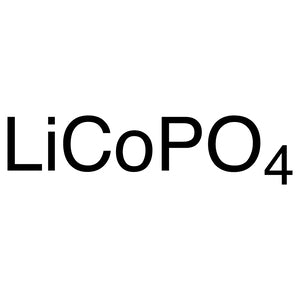
- TCI L0407 13824-63-0 Lithium Cobalt(II) Phosphate
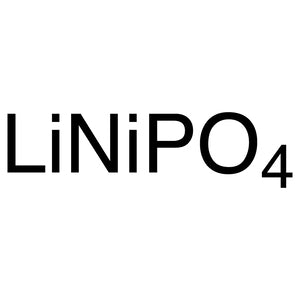
- TCI L0402 13977-83-8 Lithium Nickel(II) Phosphate
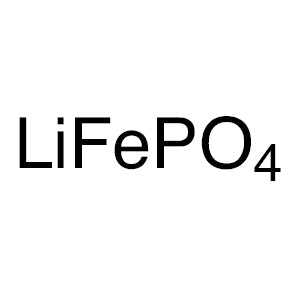
- TCI L0386 15365-14-7 Lithium Iron(II) Phosphate, Carbon-coated
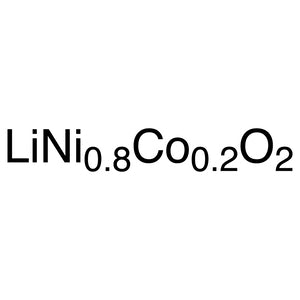
- TCI L0415 113066-89-0 Lithium Nickel Cobalt Oxide (LiNi08Co02O2)
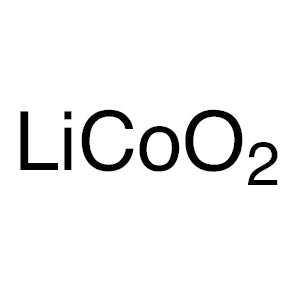
- TCI L0384 12190-79-3 Lithium Cobalt(III) Oxide
- Material synthesis and composite development due to its unique crystalline structure and chemical reactivity.
- Electrochemical research for lithium-ion battery applications because of its electrical properties and stability.
- Catalytic testing in inorganic chemistry due to its ability to participate in redox reactions and chemical transformations.
- Characterization of advanced materials through analytical techniques such as X-ray diffraction and spectroscopy.
- Chemical reactivity studies to understand interactions with strong acids and bases in controlled environments.
| Brand | TCI |
|---|---|
| CAS number | 84159-18-2 |
| Molecular formula | — |
| Purity | — |
| Category | Chemistry > Catalysis and Inorganic Chemistry > Main-group Elements |
| Pack sizes | Available in various quantities as per standard laboratory supply |
| Physical form | Solid powder |
| Storage | Store in a cool, dry place away from moisture and direct sunlight |
Lithium Vanadium Phosphate should be stored in a cool, dry environment to maintain its chemical stability. It is recommended to keep the material in airtight containers to prevent exposure to moisture and contaminants. Due to its reactivity with strong acids and bases, it should be handled with appropriate personal protective equipment, including gloves and safety goggles. The compound should not be stored near incompatible substances to avoid potential chemical interactions. Regular inspection of storage conditions is advised to ensure long-term integrity and safety in laboratory settings.
—
Product Categories
- Battery MaterialsBattery Electrolytes [Battery Materials]Lithium Electrolytes [Battery Materials]
- Battery MaterialsElectrode Materials [Battery Materials]
- Electronic MaterialsBattery MaterialsBattery Electrolytes [Battery Materials]
- Electronic MaterialsBattery MaterialsElectrode Materials [Battery Materials]
Produk Terkait
-
LithiumTitaniumPhosphate(LiTi2(PO4)3) TCI L0416
Regular price From Rp 3.870.300,00Regular priceRp 2.705.850,00Sale price From Rp 3.870.300,00 -
LithiumCobalt(II)Phosphate TCI L0407
Regular price From Rp 2.411.850,00Regular priceRp 1.686.300,00Sale price From Rp 2.411.850,00 -
LithiumNickel(II)Phosphate TCI L0402
Regular price From Rp 1.856.400,00Regular priceRp 1.297.800,00Sale price From Rp 1.856.400,00 -
LithiumIron(II)Phosphate,Carbon-coated TCI L0386
Regular price From Rp 4.001.550,00Regular priceRp 2.798.250,00Sale price From Rp 4.001.550,00 -
LithiumNickelCobaltOxide(LiNi08Co02O2) TCI L0415
Regular price From Rp 1.829.100,00Regular priceRp 1.278.900,00Sale price From Rp 1.829.100,00 -
LithiumCobalt(III)Oxide TCI L0384
Regular price From Rp 1.829.100,00Regular priceRp 1.278.900,00Sale price From Rp 1.829.100,00 -
LithiumAluminumTitaniumPhosphate(Li13Al03Ti17(PO4)3) TCI L0409
Regular price From Rp 2.411.850,00Regular priceRp 1.702.050,00Sale price From Rp 2.411.850,00 -
LithiumPhosphate TCI L0374
Regular price From Rp 1.298.850,00Regular priceRp 908.250,00Sale price From Rp 1.298.850,00