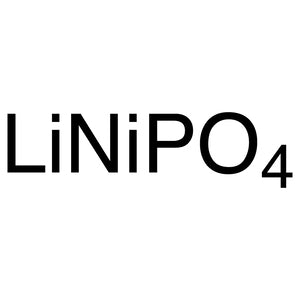
Lithium Nickel(II) Phosphate (LiNiPO₄), with CAS number 13977-83-8, is a chemical compound widely used in laboratory settings for its catalytic and structural properties. This inorganic salt plays a crucial role in catalytic reactions and inorganic chemistry processes, particularly in the synthesis of complex compounds. Its ability to facilitate chemical reactions by acting as a catalyst or co-catalyst makes it an essential component in many experimental protocols. The compound is also valued for its stability and predictable behavior under various experimental conditions, making it a reliable choice for researchers.
The chemical stability of Lithium Nickel(II) Phosphate, combined with its clear crystalline structure, makes it a preferred material for crystallographic studies and material characterization. Its resistance to decomposition under normal conditions enhances its usability in a wide range of applications. Additionally, its capacity to generate active lithium ions contributes to its significance in electrochemical research. These properties ensure that it remains a versatile and dependable reagent in both academic and industrial laboratory environments.
In Indonesian laboratories, Lithium Nickel(II) Phosphate is commonly used in research related to battery materials and energy storage systems. Its non-toxic and non-corrosive nature aligns with the safety standards of modern laboratories, making it a preferred choice for chemical synthesis and analytical procedures. Its role in catalytic processes and material characterization further solidifies its importance in the Indonesian scientific community.
TCI brochures (PDF)
- Lithium Compounds for Research and Experimental Use 2026-02-10 · p. 1
- Battery Research Reagents 2026-09-18 · p. 4
- Metallic Salts 2025-11-06 · p. 8
Related TCI products
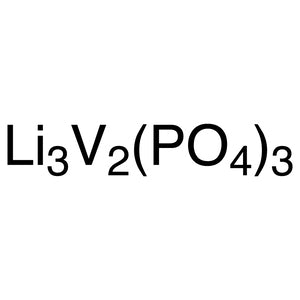
- TCI L0417 84159-18-2 Lithium Vanadium Phosphate (Li3V2(PO4)3)
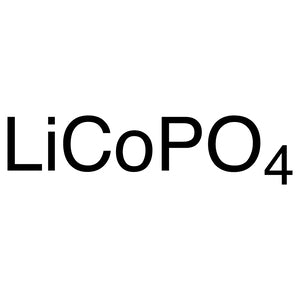
- TCI L0407 13824-63-0 Lithium Cobalt(II) Phosphate
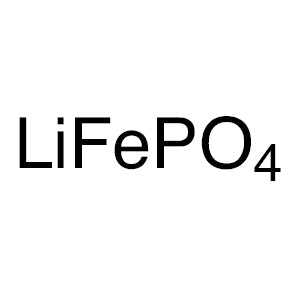
- TCI L0386 15365-14-7 Lithium Iron(II) Phosphate, Carbon-coated
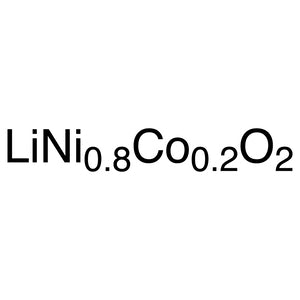
- TCI L0415 113066-89-0 Lithium Nickel Cobalt Oxide (LiNi08Co02O2)
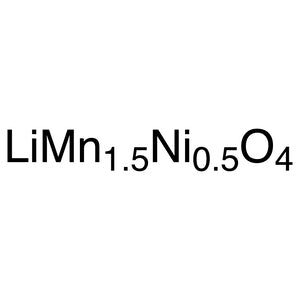
- TCI L0391 12031-75-3 Lithium Manganese Nickel Oxide (LiMn15Ni05O4)
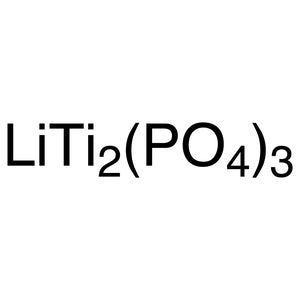
- TCI L0416 30622-39-0 Lithium Titanium Phosphate (LiTi2(PO4)3)
- Catalytic Reactions: Lithium Nickel(II) Phosphate is ideal for catalytic applications due to its ability to facilitate chemical reactions and enhance reaction efficiency.
- Inorganic Chemistry Synthesis: This compound is frequently used in the synthesis of complex inorganic compounds, offering stability and predictable chemical behavior.
- Crystallographic Studies: Its clear crystalline structure makes it suitable for structural analysis and material characterization techniques.
- Electrochemical Research: The compound’s capacity to generate active lithium ions makes it valuable in the development of battery materials and energy storage systems.
- Safety-Centric Laboratories: Its non-toxic and non-corrosive properties make it a preferred choice for laboratories prioritizing safety and environmental compliance.
| Brand | TCI |
|---|---|
| CAS number | 13977-83-8 |
| Molecular formula | — |
| Purity | — |
| Category | Chemistry > Catalysis and Inorganic Chemistry > Metallic Salts |
| Pack sizes | Available in various quantities as per standard laboratory supply |
| Physical form | Solid powder |
| Storage | Store in a cool, dry place away from moisture and direct sunlight |
Lithium Nickel(II) Phosphate should be stored in a cool, dry environment to maintain its chemical stability and prevent degradation. It is recommended to keep the compound in airtight containers to avoid exposure to moisture and contaminants. While it is non-toxic and non-corrosive, it is still important to handle it with care, using appropriate personal protective equipment when necessary. The compound is stable under normal laboratory conditions but should be kept away from strong acids or bases to prevent unwanted reactions. Its inert nature makes it safe for use in most laboratory settings, provided standard safety protocols are followed.
—
Product Categories
- Battery MaterialsBattery Electrolytes [Battery Materials]Lithium Electrolytes [Battery Materials]
- Battery MaterialsElectrode Materials [Battery Materials]
- Electronic MaterialsBattery MaterialsBattery Electrolytes [Battery Materials]
- Electronic MaterialsBattery MaterialsElectrode Materials [Battery Materials]
Produk Terkait
-
LithiumVanadiumPhosphate(Li3V2(PO4)3) TCI L0417
Regular price From Rp 3.683.400,00Regular priceRp 2.575.650,00Sale price From Rp 3.683.400,00 -
LithiumCobalt(II)Phosphate TCI L0407
Regular price From Rp 2.411.850,00Regular priceRp 1.686.300,00Sale price From Rp 2.411.850,00 -
LithiumIron(II)Phosphate,Carbon-coated TCI L0386
Regular price From Rp 4.001.550,00Regular priceRp 2.798.250,00Sale price From Rp 4.001.550,00 -
LithiumNickelCobaltOxide(LiNi08Co02O2) TCI L0415
Regular price From Rp 1.829.100,00Regular priceRp 1.278.900,00Sale price From Rp 1.829.100,00 -
LithiumManganeseNickelOxide(LiMn15Ni05O4) TCI L0391
Regular price From Rp 3.155.250,00Regular priceRp 2.206.050,00Sale price From Rp 3.155.250,00 -
LithiumTitaniumPhosphate(LiTi2(PO4)3) TCI L0416
Regular price From Rp 3.870.300,00Regular priceRp 2.705.850,00Sale price From Rp 3.870.300,00 -
LithiumAluminumTitaniumPhosphate(Li13Al03Ti17(PO4)3) TCI L0409
Regular price From Rp 2.411.850,00Regular priceRp 1.702.050,00Sale price From Rp 2.411.850,00 -
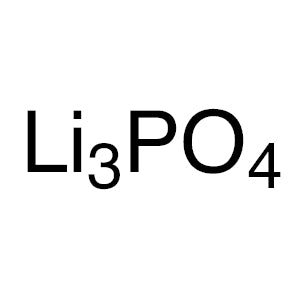
LithiumPhosphate TCI L0374
Regular price From Rp 1.298.850,00Regular priceRp 908.250,00Sale price From Rp 1.298.850,00