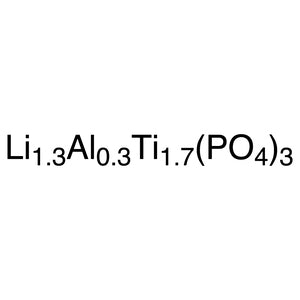
Lithium Aluminum Titanium Phosphate (Li13Al03Ti17(PO4)3) is a complex chemical compound widely used in catalysis and inorganic chemistry. This material plays a crucial role in laboratory settings by serving as a catalyst that accelerates chemical reactions without being consumed in the process. Its unique crystalline structure and chemical stability make it a valuable component in various synthetic and analytical procedures. Due to its inert nature under normal conditions, it is also employed in the development of new materials and metal-based compounds. Its ability to remain chemically stable in harsh environments enhances its utility in both research and industrial applications.
The compound's preferred status stems from its high thermal stability and chemical inertness. These properties ensure that it remains effective across a wide range of experimental conditions, reducing the risk of unwanted side reactions. Its resistance to harsh chemical environments makes it ideal for use in demanding laboratory applications. Additionally, the compound's complex composition allows for versatility in its application, enabling researchers to tailor its use to specific experimental needs. Its stability and reliability make it a trusted choice for both academic and industrial research settings.
In Indonesian laboratories, Lithium Aluminum Titanium Phosphate is commonly used in chemical synthesis, material development, and catalytic studies. Its role in advancing research in inorganic chemistry and catalysis is significant, especially in institutions focused on scientific innovation. The compound's properties make it a reliable and essential material for a variety of experimental protocols, supporting both fundamental and applied research efforts.
TCI brochures (PDF)
- Lithium Compounds for Research and Experimental Use 2026-02-10 · p. 1
- Metallic Salts 2025-11-06 · p. 8
Related TCI products
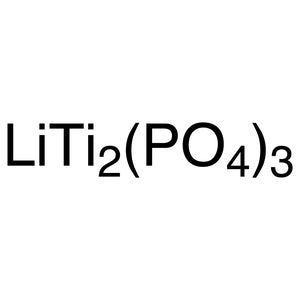
- TCI L0416 30622-39-0 Lithium Titanium Phosphate (LiTi2(PO4)3)
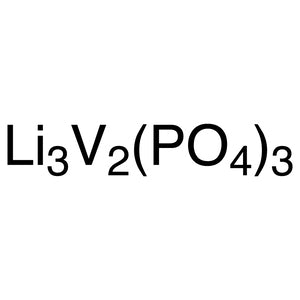
- TCI L0417 84159-18-2 Lithium Vanadium Phosphate (Li3V2(PO4)3)
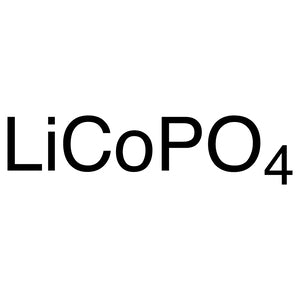
- TCI L0407 13824-63-0 Lithium Cobalt(II) Phosphate
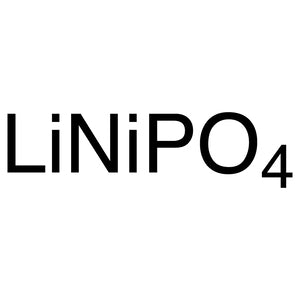
- TCI L0402 13977-83-8 Lithium Nickel(II) Phosphate
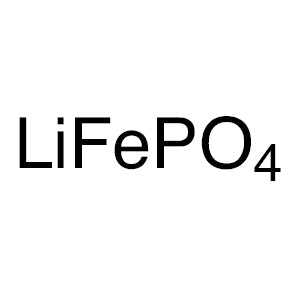
- TCI L0386 15365-14-7 Lithium Iron(II) Phosphate, Carbon-coated
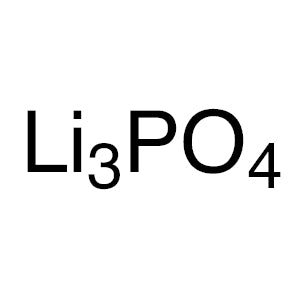
- TCI L0374 10377-52-3 Lithium Phosphate
- Catalytic reactions in organic synthesis due to its ability to accelerate chemical processes without being consumed.
- Development of new inorganic materials because of its stable chemical structure and high thermal resistance.
- Analytical chemistry applications where chemical inertness is required to prevent interference with experimental results.
- Metal-based compound research due to its complex composition and compatibility with various chemical environments.
- High-temperature chemical processes where thermal stability ensures consistent performance under extreme conditions.
| Brand | TCI |
|---|---|
| CAS number | 120479-61-0 |
| Molecular formula | — |
| Purity | — |
| Category | Chemistry > Catalysis and Inorganic Chemistry > Metallic Salts |
| Pack sizes | Available in standard laboratory quantities |
| Physical form | Solid powder |
| Storage | Store in a cool, dry place away from moisture and direct sunlight |
This material should be stored in a cool, dry place, away from moisture and direct sunlight to maintain its chemical stability. It is recommended to use airtight containers made of inert materials such as glass or stainless steel to prevent contamination and degradation. Due to its chemical inertness, it does not react readily with common laboratory reagents, but standard laboratory safety precautions should still be followed. Proper labeling and secure storage are essential to ensure safe handling and prevent accidental exposure. Regular inspection of storage conditions is advised to maintain the integrity of the compound over time.
—
Product Categories
Produk Terkait
-
LithiumTitaniumPhosphate(LiTi2(PO4)3) TCI L0416
Regular price From Rp 3.870.300,00Regular priceRp 2.705.850,00Sale price From Rp 3.870.300,00 -
LithiumVanadiumPhosphate(Li3V2(PO4)3) TCI L0417
Regular price From Rp 3.683.400,00Regular priceRp 2.575.650,00Sale price From Rp 3.683.400,00 -
LithiumCobalt(II)Phosphate TCI L0407
Regular price From Rp 2.411.850,00Regular priceRp 1.686.300,00Sale price From Rp 2.411.850,00 -
LithiumNickel(II)Phosphate TCI L0402
Regular price From Rp 1.856.400,00Regular priceRp 1.297.800,00Sale price From Rp 1.856.400,00 -
LithiumIron(II)Phosphate,Carbon-coated TCI L0386
Regular price From Rp 4.001.550,00Regular priceRp 2.798.250,00Sale price From Rp 4.001.550,00 -
LithiumPhosphate TCI L0374
Regular price From Rp 1.298.850,00Regular priceRp 908.250,00Sale price From Rp 1.298.850,00 -
LithiumMetaphosphate TCI L0405
Regular price From Rp 584.850,00Regular priceRp 408.450,00Sale price From Rp 584.850,00 -
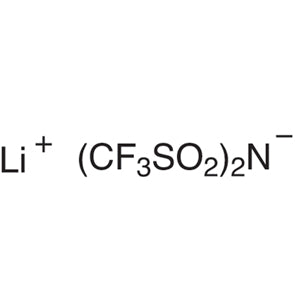
LithiumBis(trifluoromethanesulfonyl)imide TCI B2542
Regular price From Rp 1.483.650,00Regular priceRp 1.053.150,00Sale price From Rp 1.483.650,00