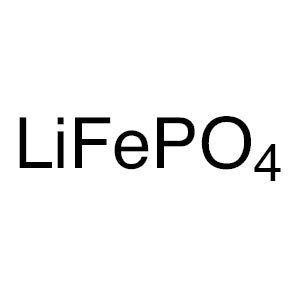
Lithium Iron(II) Phosphate, Carbon-coated (TCI L0386) is a specialized chemical compound widely used in research and development across inorganic chemistry and catalysis. This material is a metallic salt with a unique crystalline structure, enhanced by a carbon coating that significantly improves its stability and catalytic activity. In laboratory settings, it plays a crucial role in facilitating electron transfer and electronic activation in various chemical reactions. Its versatility makes it an essential component in advanced chemical processes, especially where controlled redox reactions are required. The carbon coating also enhances its resistance to chemical degradation, ensuring consistent performance in demanding experimental conditions.
The properties of Lithium Iron(II) Phosphate, Carbon-coated make it a preferred choice for researchers and scientists. It exhibits high chemical stability, allowing it to function effectively in reactive environments without compromising its structural integrity. Its electrochemical properties are particularly advantageous in applications involving energy storage and conversion. The carbon layer not only protects the core material from degradation but also enhances its conductivity and reactivity. These characteristics make it suitable for use in a wide range of chemical and electrochemical experiments, ensuring reliable results and reproducibility.
In Indonesian laboratories, Lithium Iron(II) Phosphate, Carbon-coated is commonly used in material research, catalytic processes, and battery development. Its ability to withstand high temperatures and maintain performance under extreme conditions makes it ideal for applications that require stability and durability. Researchers in Indonesia rely on this compound for its reliability and effectiveness in both academic and industrial settings, contributing to advancements in chemical and energy-related fields.
- Material Research – This compound is ideal for studying the properties of advanced materials due to its stable crystalline structure and enhanced electrochemical behavior.
- Catalytic Reactions – Its carbon-coated surface improves catalytic efficiency, making it suitable for electron transfer and redox reactions in chemical synthesis.
- Battery Development – The compound's electrochemical properties make it a key component in the development of high-performance lithium-ion batteries.
- High-Temperature Applications – Its thermal stability allows it to be used in experiments requiring elevated temperatures without structural degradation.
- Electrochemical Studies – The material's conductivity and reactivity make it suitable for research involving electrochemical cells and energy storage systems.
| Brand | — |
|---|---|
| CAS number | — |
| Molecular formula | — |
| Purity | — |
| Category | — |
| Pack sizes | — |
| Physical form | — |
| Storage | — |
- Brand – TCI
- CAS Number – 15365-14-7
- Category – Chemistry > Catalysis and Inorganic Chemistry > Metallic Salts
- Pack Sizes – Available in various quantities as per standard laboratory supply formats
- Physical Form – Powder
- Storage Note – Store in a cool, dry place away from moisture and direct sunlight
Lithium Iron(II) Phosphate, Carbon-coated should be stored in a cool, dry environment to maintain its chemical stability and prevent degradation. It is recommended to use airtight containers to protect it from moisture and contaminants. Avoid exposure to high temperatures and direct sunlight, as these can affect its performance. In laboratory settings, it should be handled with care to prevent contamination and ensure safe usage. Proper labeling and storage conditions are essential to maintain the integrity of the compound during long-term storage and use. Always follow standard laboratory safety protocols when handling this material.
—
Produk Terkait
-
TCI B5774 5,10-Bis(4,4,5,5-tetramethyl-1,3,2-dioxaborolan-2-yl)naphtho[1,2-c:5,6-c']bis([1,2,5]oxadiazole)
Regular price Rp 10.255.350,00Regular price -
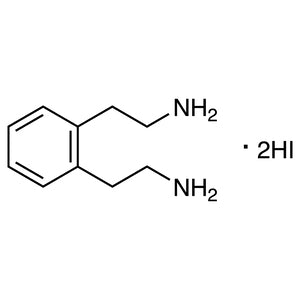
Dihydroiodide TCI B6569
Regular price From Rp 1.936.200,00Regular price -
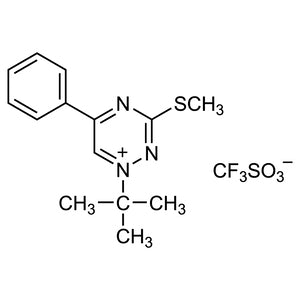
Trifluoromethanesulfonate TCI B7003
Regular price From Rp 1.936.200,00Regular price
![5,10-Bis(4,4,5,5-tetramethyl-1,3,2-dioxaborolan-2-yl)naphtho[1,2-c:5,6-c']bis([1,2,5]oxadiazole) - TCI B5774 - AMI Scientific](http://amiscientific.com/cdn/shop/files/TCI2510B5774.jpg?v=1769180228&width=533)