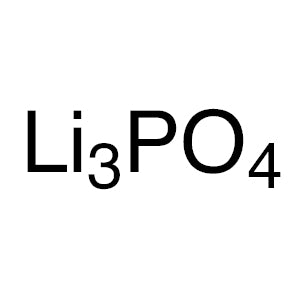
Lithium Phosphate (Li₃PO₄), with the CAS number 10377-52-3, is a chemical compound widely used in laboratory settings for its versatility and stability. As a metallic salt, it plays a crucial role in catalytic reactions and inorganic chemistry processes. This compound is commonly employed as a catalyst, reagent, or auxiliary material in the synthesis of both organic and inorganic compounds. Its chemical properties make it a valuable asset in various chemical applications, especially in research environments where controlled and predictable reactions are essential.
Lithium Phosphate is known for its chemical stability and low reactivity with common laboratory chemicals, which simplifies its handling and storage. It has good solubility in organic solvents, making it adaptable for a wide range of experimental setups. These properties contribute to its popularity among chemists who require reliable and safe materials for their experiments. Additionally, its non-toxic nature enhances its safety profile, making it a preferred choice in laboratory environments where safety is a priority.
In Indonesian laboratories, Lithium Phosphate is extensively used in chemical research, particularly in catalysis and the synthesis of inorganic compounds. It is also frequently utilized in the development of new materials, such as batteries and composite materials, due to its stable chemical properties and reactivity. Its role in supporting innovation and research in both academic and industrial settings underscores its importance in the chemical industry.
- Catalytic Reactions: Lithium Phosphate is ideal for catalytic processes due to its stability and ability to facilitate chemical transformations without undergoing significant changes.
- Inorganic Compound Synthesis: It is widely used in the preparation of various inorganic compounds, offering reliable and consistent results in synthetic reactions.
- Organic Synthesis Support: Its solubility in organic solvents makes it a valuable reagent in the synthesis of complex organic molecules.
- Battery Material Development: Lithium Phosphate is used in the formulation of battery components due to its stable chemical properties and electrochemical behavior.
- Composite Material Research: It is incorporated into composite materials to enhance structural and functional properties, supporting advanced material development.
| Brand | TCI |
|---|---|
| CAS number | 10377-52-3 |
| Molecular formula | — |
| Purity | — |
| Category | Chemistry > Catalysis and Inorganic Chemistry > Metallic Salts |
| Pack sizes | Available in various quantities as per standard laboratory supply options |
| Physical form | Solid powder |
| Storage | Store in a cool, dry place away from moisture and direct sunlight |
Lithium Phosphate should be stored in a cool, dry environment to maintain its chemical stability. It is recommended to keep it in airtight containers to prevent moisture absorption, which could affect its performance. Due to its low reactivity, it does not require special containment, but it is advisable to handle it with standard laboratory precautions to ensure safety. Always ensure proper ventilation when working with this compound, and avoid direct contact with skin or inhalation of dust. Its non-toxic nature reduces the risk of harm, but standard laboratory safety protocols should still be followed to maintain a safe working environment.
—
Produk Terkait
-
TCI B5774 5,10-Bis(4,4,5,5-tetramethyl-1,3,2-dioxaborolan-2-yl)naphtho[1,2-c:5,6-c']bis([1,2,5]oxadiazole)
Regular price Rp 10.255.350,00Regular price -
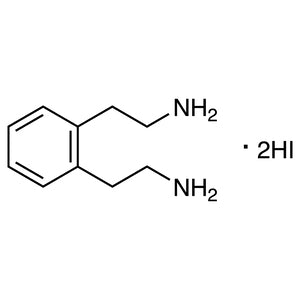
Dihydroiodide TCI B6569
Regular price From Rp 1.936.200,00Regular price -
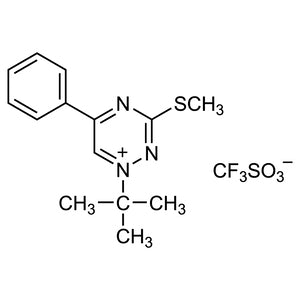
Trifluoromethanesulfonate TCI B7003
Regular price From Rp 1.936.200,00Regular price
![5,10-Bis(4,4,5,5-tetramethyl-1,3,2-dioxaborolan-2-yl)naphtho[1,2-c:5,6-c']bis([1,2,5]oxadiazole) - TCI B5774 - AMI Scientific](http://amiscientific.com/cdn/shop/files/TCI2510B5774.jpg?v=1769180228&width=533)