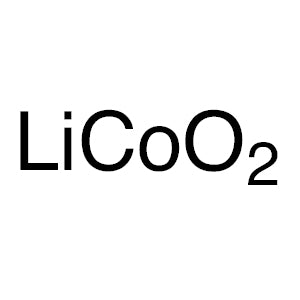
Lithium Cobalt(III) Oxide (LiCoO₂), with CAS number 12190-79-3, is a chemical compound widely used in laboratory settings, particularly in catalysis and inorganic chemistry. This material plays a crucial role in facilitating redox reactions due to its strong oxidizing properties. Its stable crystalline structure makes it a reliable catalyst for electron transfer processes, which are essential in various chemical syntheses and analytical procedures. LiCoO₂ is commonly found in experiments involving complex compound formation and oxidation processes, making it a versatile reagent for chemical research and education.
The chemical properties of Lithium Cobalt(III) Oxide, including its high reactivity and consistent chemical behavior, make it a preferred choice for laboratory applications. Its physical stability ensures ease of handling and storage, while its ability to maintain structural integrity under various conditions contributes to its reliability. The compound’s resistance to decomposition further enhances its utility in long-term experiments and repeated use. These characteristics make it an ideal material for both academic and industrial research environments.
In Indonesian laboratories, Lithium Cobalt(III) Oxide is frequently used in scientific research and educational settings. It is a key component in experiments related to catalysis, synthesis of chemical compounds, and compositional analysis. Its availability in the local market supports the needs of researchers and educators, ensuring that it remains a valuable resource for laboratory work in Indonesia.
TCI brochures (PDF)
- Lithium Compounds for Research and Experimental Use 2026-02-10 · p. 1
- Battery Research Reagents 2026-09-18 · p. 4
- Metallic Salts 2025-11-06 · p. 14
Related TCI products
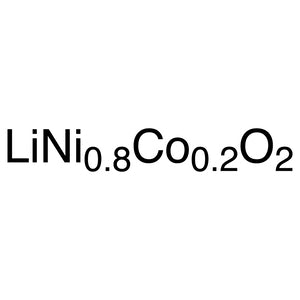
- TCI L0415 113066-89-0 Lithium Nickel Cobalt Oxide (LiNi08Co02O2)
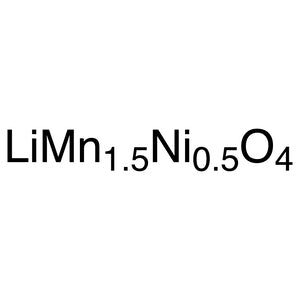
- TCI L0391 12031-75-3 Lithium Manganese Nickel Oxide (LiMn15Ni05O4)
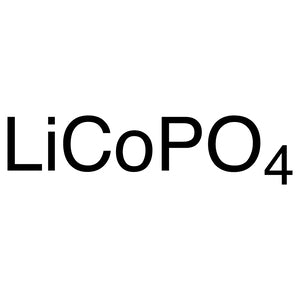
- TCI L0407 13824-63-0 Lithium Cobalt(II) Phosphate
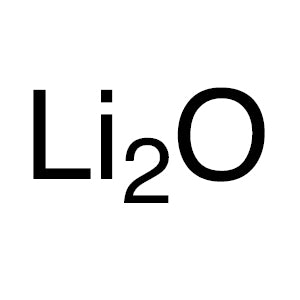
- TCI L0403 12057-24-8 Lithium Oxide
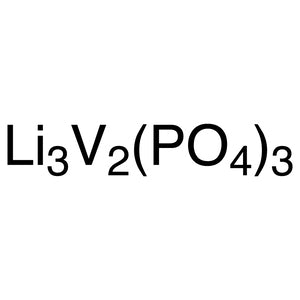
- TCI L0417 84159-18-2 Lithium Vanadium Phosphate (Li3V2(PO4)3)
- TCI L0420 176719-70-3 Lithium [(Nonafluorobutyl)sulfonyl][(trifluoromethyl)sulfonyl]azanide
- Catalytic Redox Reactions: Lithium Cobalt(III) Oxide is ideal for redox reactions due to its strong oxidizing properties, making it suitable for electron transfer processes in chemical synthesis.
- Complex Compound Synthesis: Its ability to facilitate electron transfer makes it a valuable reagent in the synthesis of complex chemical compounds, supporting diverse research applications.
- Oxidation Processes: The compound is used in oxidation reactions where a stable and reactive oxidizing agent is required, enhancing the efficiency of chemical transformations.
- Analytical Chemistry: Its consistent chemical behavior and stability make it useful in analytical procedures, particularly in compositional and structural analysis.
- Educational Demonstrations: Lithium Cobalt(III) Oxide is commonly used in educational settings to demonstrate catalytic and redox reactions, supporting chemistry teaching and learning.
From the TCI brochure
- Lithium ion battery electrode (described in the brochure as the anode)
| Brand | TCI |
|---|---|
| CAS number | 12190-79-3 |
| Molecular formula | — |
| Purity | — |
| Category | Chemistry > Catalysis and Inorganic Chemistry > Main-group Elements |
| Pack sizes | Available in various quantities as per standard laboratory supply |
| Physical form | Solid powder |
| Storage | Store in a cool, dry place away from moisture and incompatible substances |
Lithium Cobalt(III) Oxide should be stored in a cool, dry environment to maintain its stability and prevent degradation. It is recommended to use airtight containers to protect it from moisture and air exposure. Due to its reactivity, it should be kept away from incompatible materials such as reducing agents and flammable substances. Proper labeling and storage conditions are essential to ensure safety in the laboratory. Always handle the material with appropriate personal protective equipment to minimize exposure and ensure safe usage.
—
Product Categories
- Battery MaterialsBattery Electrolytes [Battery Materials]Lithium Electrolytes [Battery Materials]
- Battery MaterialsElectrode Materials [Battery Materials]
- Electronic MaterialsBattery MaterialsBattery Electrolytes [Battery Materials]
- Electronic MaterialsBattery MaterialsElectrode Materials [Battery Materials]
Produk Terkait
-
LithiumNickelCobaltOxide(LiNi08Co02O2) TCI L0415
Regular price From Rp 1.829.100,00Regular priceRp 1.278.900,00Sale price From Rp 1.829.100,00 -
LithiumManganeseNickelOxide(LiMn15Ni05O4) TCI L0391
Regular price From Rp 3.155.250,00Regular priceRp 2.206.050,00Sale price From Rp 3.155.250,00 -
LithiumCobalt(II)Phosphate TCI L0407
Regular price From Rp 2.411.850,00Regular priceRp 1.686.300,00Sale price From Rp 2.411.850,00 -
LithiumOxide TCI L0403
Regular price From Rp 1.298.850,00Regular priceRp 908.250,00Sale price From Rp 1.298.850,00 -
LithiumVanadiumPhosphate(Li3V2(PO4)3) TCI L0417
Regular price From Rp 3.683.400,00Regular priceRp 2.575.650,00Sale price From Rp 3.683.400,00 -
Lithium[(Nonafluorobutyl)sulfonyl][(trifluoromethyl)sulfonyl]azanide TCI L0420
Regular price From Rp 3.392.550,00Regular priceRp 2.387.700,00Sale price From Rp 3.392.550,00 -
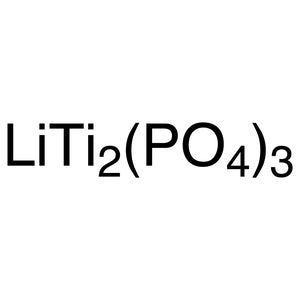
LithiumTitaniumPhosphate(LiTi2(PO4)3) TCI L0416
Regular price From Rp 3.870.300,00Regular priceRp 2.705.850,00Sale price From Rp 3.870.300,00 -
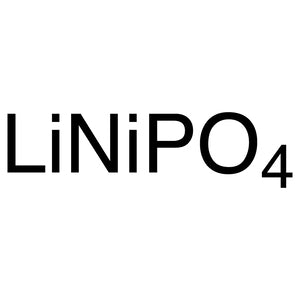
LithiumNickel(II)Phosphate TCI L0402
Regular price From Rp 1.856.400,00Regular priceRp 1.297.800,00Sale price From Rp 1.856.400,00





![TCI L0420 176719-70-3 Lithium [(Nonafluorobutyl)sulfonyl][(trifluoromethyl)sulfonyl]azanide](http://amiscientific.com/cdn/shop/files/TCI2510L0420_495d6d2d-c256-4908-a7a0-1af1a85a5651.jpg?v=1792646534&width=533)
![176719-70-3 Lithium [(Nonafluorobutyl)sulfonyl][(trifluoromethyl)sulfonyl]azanide - AMI Scientific](http://amiscientific.com/cdn/shop/files/TCI2510L0420.jpg?v=1767121891&width=533)