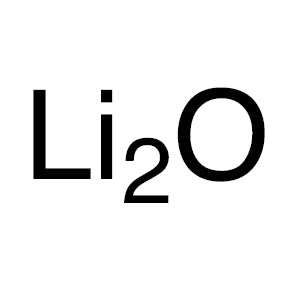
Lithium oxide (Li₂O), with the CAS number 12057-24-8, is an inorganic compound widely used in chemical experiments, particularly in the fields of catalysis and inorganic chemistry. As a metal oxide, it plays a crucial role in creating reactive environments for chemical reactions. Its high reactivity makes it a valuable reagent in laboratory settings where precise control over chemical conditions is essential. This compound is commonly used to synthesize complex compounds or to enhance the reactivity of other chemical substances. Its ability to interact with both acidic and basic environments makes it a versatile tool in various chemical processes.
Lithium oxide is known for its strong chemical reactivity, especially towards water and acids. Despite being hydrophobic, it reacts vigorously with basic environments, making it suitable for applications that require controlled chemical interactions. Its high melting point allows it to remain stable under high-temperature conditions, which is beneficial for experiments involving elevated temperatures. These properties make lithium oxide a preferred choice for researchers and scientists who need a reliable and reactive compound for their experiments.
In Indonesian laboratories, lithium oxide is commonly used in scientific research across multiple disciplines, including inorganic chemistry, catalysis, and the production of specialized chemical compounds. It is an essential material for academic institutions and research centers that require high-quality reagents for their experiments. Its versatility and reactivity make it a key component in many chemical processes conducted in Indonesian laboratories.
TCI brochures (PDF)
- Lithium Compounds for Research and Experimental Use 2026-02-10 · p. 1
- Metallic Salts 2025-11-06 · p. 6
Related TCI products
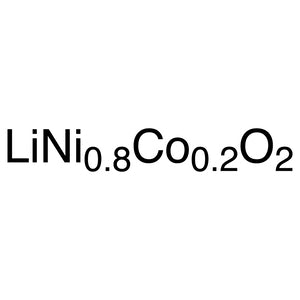
- TCI L0415 113066-89-0 Lithium Nickel Cobalt Oxide (LiNi08Co02O2)
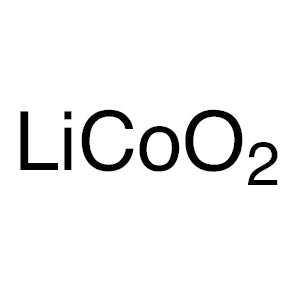
- TCI L0384 12190-79-3 Lithium Cobalt(III) Oxide
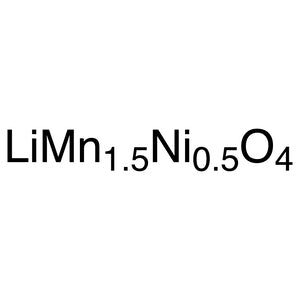
- TCI L0391 12031-75-3 Lithium Manganese Nickel Oxide (LiMn15Ni05O4)
- TCI L0420 176719-70-3 Lithium [(Nonafluorobutyl)sulfonyl][(trifluoromethyl)sulfonyl]azanide
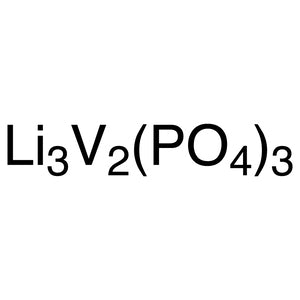
- TCI L0417 84159-18-2 Lithium Vanadium Phosphate (Li3V2(PO4)3)
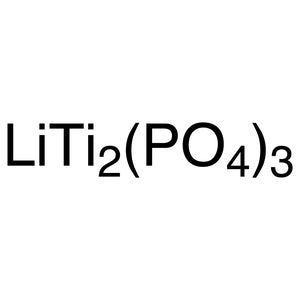
- TCI L0416 30622-39-0 Lithium Titanium Phosphate (LiTi2(PO4)3)
- Inorganic Chemistry Research – Lithium oxide is used to synthesize complex inorganic compounds due to its reactivity and ability to form stable oxides.
- Catalytic Reactions – It serves as a catalyst or reagent in reactions that require a reactive environment to enhance chemical transformation.
- High-Temperature Experiments – Its high melting point allows it to be used in processes that require stable performance under elevated temperatures.
- Acid-Base Reactions – Lithium oxide reacts effectively with acidic environments, making it suitable for pH adjustment and neutralization studies.
- Specialized Compound Synthesis – It is a key reagent in the production of specialized chemical compounds used in various industrial and research applications.
| Brand | TCI |
|---|---|
| CAS number | 12057-24-8 |
| Molecular formula | — |
| Purity | — |
| Category | Chemistry > Catalysis and Inorganic Chemistry > Main-group Elements |
| Pack sizes | Available in various quantities as per standard laboratory supply |
| Physical form | Solid powder |
| Storage | Store in a dry, cool, and well-ventilated area away from moisture and acids |
Lithium oxide should be stored in a dry, cool, and well-ventilated area to prevent moisture absorption, which can lead to decomposition. It is recommended to use airtight containers made of inert materials such as glass or stainless steel to ensure stability. Due to its reactivity with water and acids, it should be kept away from these substances. In laboratory settings, it is important to handle lithium oxide with appropriate personal protective equipment, including gloves and safety goggles, to avoid direct contact. Regular monitoring of storage conditions is essential to maintain the integrity and safety of the compound.
—
Product Categories
Produk Terkait
-
LithiumNickelCobaltOxide(LiNi08Co02O2) TCI L0415
Regular price From Rp 1.829.100,00Regular priceRp 1.278.900,00Sale price From Rp 1.829.100,00 -
LithiumCobalt(III)Oxide TCI L0384
Regular price From Rp 1.829.100,00Regular priceRp 1.278.900,00Sale price From Rp 1.829.100,00 -
LithiumManganeseNickelOxide(LiMn15Ni05O4) TCI L0391
Regular price From Rp 3.155.250,00Regular priceRp 2.206.050,00Sale price From Rp 3.155.250,00 -
Lithium[(Nonafluorobutyl)sulfonyl][(trifluoromethyl)sulfonyl]azanide TCI L0420
Regular price From Rp 3.392.550,00Regular priceRp 2.387.700,00Sale price From Rp 3.392.550,00 -
LithiumVanadiumPhosphate(Li3V2(PO4)3) TCI L0417
Regular price From Rp 3.683.400,00Regular priceRp 2.575.650,00Sale price From Rp 3.683.400,00 -
LithiumTitaniumPhosphate(LiTi2(PO4)3) TCI L0416
Regular price From Rp 3.870.300,00Regular priceRp 2.705.850,00Sale price From Rp 3.870.300,00 -
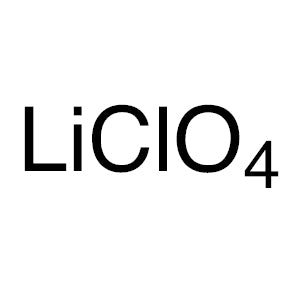
LithiumPerchlorate TCI L0379
Regular price From Rp 717.150,00Regular priceRp 500.850,00Sale price From Rp 717.150,00 -
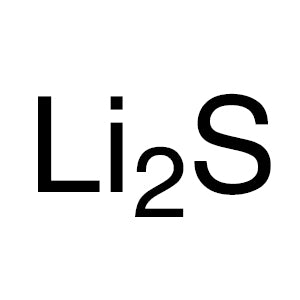
LithiumSulfide TCI L0364
Regular price From Rp 2.491.650,00Regular priceRp 1.741.950,00Sale price From Rp 2.491.650,00



![TCI L0420 176719-70-3 Lithium [(Nonafluorobutyl)sulfonyl][(trifluoromethyl)sulfonyl]azanide](http://amiscientific.com/cdn/shop/files/TCI2510L0420_495d6d2d-c256-4908-a7a0-1af1a85a5651.jpg?v=1792646534&width=533)
![176719-70-3 Lithium [(Nonafluorobutyl)sulfonyl][(trifluoromethyl)sulfonyl]azanide - AMI Scientific](http://amiscientific.com/cdn/shop/files/TCI2510L0420.jpg?v=1767121891&width=533)